Business
·
17 hours ago
Federal Reserve Increases Interest Rates Amid Inflation Concerns, Trump Criticizes Decision
🐦 The Peck
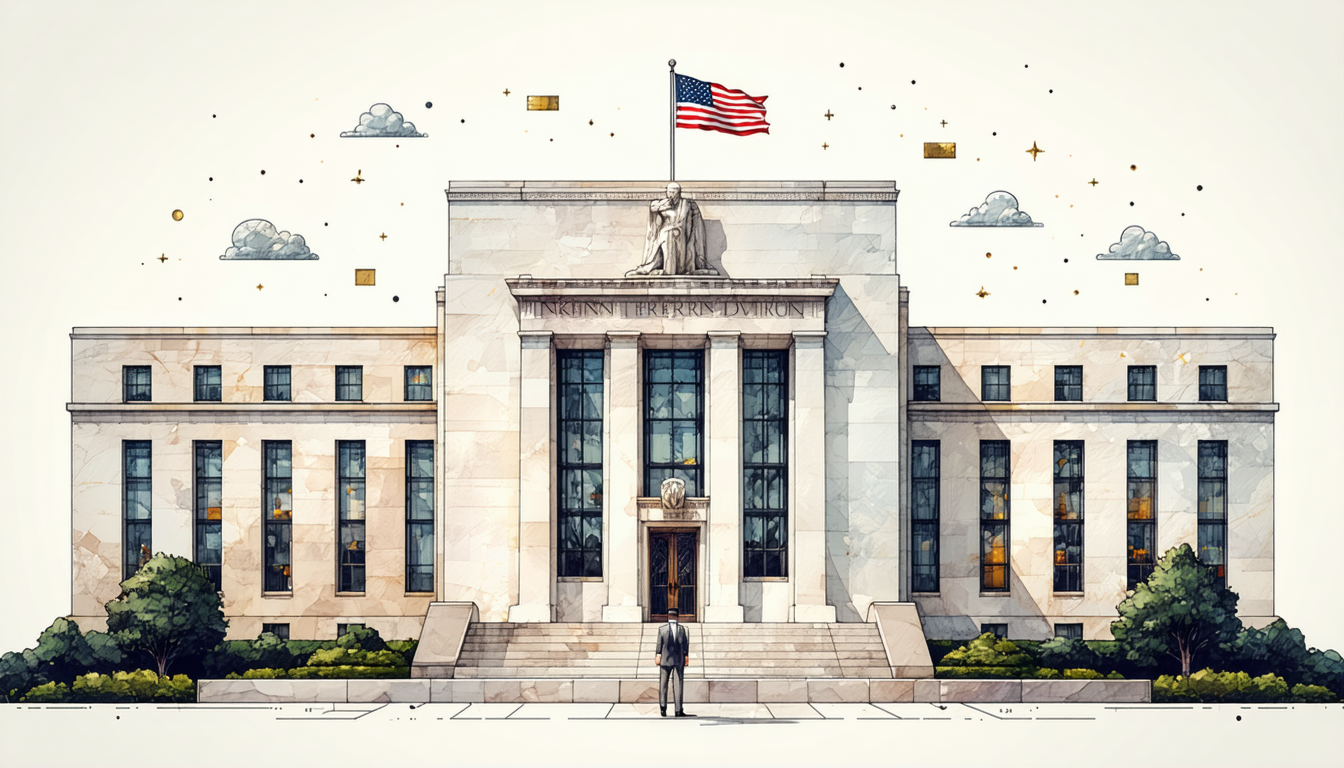
The Federal Reserve has raised interest rates by 25 basis points in its latest meeting as part of its strategy to combat rising inflation rates. This decision comes amid ongoing inflation in the U.S., which has remained above the Fed's target rate of 2% for several months. The rate hike has prompted debate among economists and political figures regarding its potential impact on the economy.
Former President Donald Trump has criticized the Federal Reserve's decision, expressing concerns about the implications of higher interest rates. The Fed's action reflects its ongoing efforts to address inflationary pressures within the economy, which have become a significant topic of discussion in recent months.
Key Facts
-
●
The Federal Reserve raised interest rates by 25 basis points in its latest meeting.
CORROBORATED -
●
Former President Donald Trump criticized the Federal Reserve's decision to raise interest rates.
CORROBORATED -
●
The rate hike is part of the Fed's strategy to combat rising inflation rates.
CORROBORATED -
●
Inflation in the U.S. has been above the Fed's target rate of 2% for several months.
CORROBORATED -
●
The Federal Reserve's decision to raise rates has sparked debate among economists and political figures.
UNVERIFIED
🔍 The Big Picture
The Federal Reserve's recent decision to raise interest rates by 25 basis points reflects its ongoing strategy to address persistent inflation concerns that have plagued the U.S. economy. With inflation rates consistently exceeding the Fed's target of 2% for several months, the central bank aims to rein in price growth to stabilize the economy. This decision is significant as it signals the Fed's commitment to its dual mandate of promoting maximum employment and price stability, particularly in a climate where inflationary pressures have been exacerbated by supply chain disruptions, labor market tightness, and geopolitical tensions.
Former President Donald Trump's criticism of the Fed's rate hike underscores the contentious nature of monetary policy in the current political landscape. Trump's remarks highlight a broader debate regarding the appropriateness of such measures, especially given the potential impact on economic growth and consumer spending. Critics of the Fed's approach argue that increasing interest rates could stifle growth and lead to a recession, particularly in a post-pandemic recovery phase where many sectors are still regaining stability. Conversely, proponents assert that the risk of unchecked inflation could have more severe long-term consequences for the economy, necessitating proactive measures to restore price equilibrium.
This rate hike is part of a larger trend observed among central banks worldwide, which are grappling with similar inflationary challenges. As central banks tighten monetary policy, the implications for global financial markets and capital flows become increasingly pronounced. Investors may reassess their portfolios in light of higher borrowing costs, which could lead to volatility in equity and bond markets. Furthermore, the Fed's actions may influence other central banks, potentially prompting a synchronized tightening of monetary policies that could reshape the global economic landscape.
While the Fed's decision is grounded in empirical economic indicators, there remains uncertainty regarding its long-term effects. Economic data over the coming months will be crucial in assessing whether the rate hike effectively curbs inflation without derailing growth. The competing interpretations of this policy—ranging from necessary intervention to a potential misstep—will likely continue to fuel discussions among economists, policymakers, and the public. As the situation evolves, stakeholders will need to remain vigilant in monitoring economic indicators and adjusting strategies accordingly, as the balance between inflation control and economic growth becomes increasingly delicate.
Former President Donald Trump's criticism of the Fed's rate hike underscores the contentious nature of monetary policy in the current political landscape. Trump's remarks highlight a broader debate regarding the appropriateness of such measures, especially given the potential impact on economic growth and consumer spending. Critics of the Fed's approach argue that increasing interest rates could stifle growth and lead to a recession, particularly in a post-pandemic recovery phase where many sectors are still regaining stability. Conversely, proponents assert that the risk of unchecked inflation could have more severe long-term consequences for the economy, necessitating proactive measures to restore price equilibrium.
This rate hike is part of a larger trend observed among central banks worldwide, which are grappling with similar inflationary challenges. As central banks tighten monetary policy, the implications for global financial markets and capital flows become increasingly pronounced. Investors may reassess their portfolios in light of higher borrowing costs, which could lead to volatility in equity and bond markets. Furthermore, the Fed's actions may influence other central banks, potentially prompting a synchronized tightening of monetary policies that could reshape the global economic landscape.
While the Fed's decision is grounded in empirical economic indicators, there remains uncertainty regarding its long-term effects. Economic data over the coming months will be crucial in assessing whether the rate hike effectively curbs inflation without derailing growth. The competing interpretations of this policy—ranging from necessary intervention to a potential misstep—will likely continue to fuel discussions among economists, policymakers, and the public. As the situation evolves, stakeholders will need to remain vigilant in monitoring economic indicators and adjusting strategies accordingly, as the balance between inflation control and economic growth becomes increasingly delicate.
👀 What to Watch
**What to Watch: Upcoming Developments Related to Federal Reserve Interest Rate Hike**
- **Federal Reserve Meeting Minutes Release**
Date: November 1, 2023
The Federal Reserve will release the minutes from its latest meeting, providing insights into the discussions and rationale behind the interest rate hike.
- **U.S. Inflation Data Report**
Date: November 10, 2023
The Bureau of Labor Statistics will publish the Consumer Price Index (CPI) report, which is critical for assessing current inflation trends and the effectiveness of the Fed's rate hike.
- **Economic Outlook Speech by Fed Chair Jerome Powell**
Date: November 15, 2023
Federal Reserve Chair Jerome Powell is scheduled to deliver a speech on the economic outlook, which may address the implications of the recent interest rate decision.
- **Congressional Hearing on Economic Policy**
Date: November 30, 2023
A Congressional hearing will take place to discuss the current economic policy, including the Fed's actions, where various lawmakers, including critics like Trump, may voice their opinions.
- **Earnings Reports from Major Financial Institutions**
Dates: Various between October 30 and November 10, 2023
Several major banks will report their earnings, providing insights into how the interest rate hike is impacting the financial sector and consumer lending.
- **Public Statements from Economic Experts**
Ongoing
Watch for statements and analyses from economists and financial analysts as they react to the Fed's decision and its implications for future monetary policy.
- **Political Reactions and Campaign Rallies**
Ongoing
As the 2024 presidential campaign heats up, expect continued public statements and rallies from political figures, including Donald Trump, addressing the Fed's interest rate decisions and their impact on voters.
- **Federal Reserve Meeting Minutes Release**
Date: November 1, 2023
The Federal Reserve will release the minutes from its latest meeting, providing insights into the discussions and rationale behind the interest rate hike.
- **U.S. Inflation Data Report**
Date: November 10, 2023
The Bureau of Labor Statistics will publish the Consumer Price Index (CPI) report, which is critical for assessing current inflation trends and the effectiveness of the Fed's rate hike.
- **Economic Outlook Speech by Fed Chair Jerome Powell**
Date: November 15, 2023
Federal Reserve Chair Jerome Powell is scheduled to deliver a speech on the economic outlook, which may address the implications of the recent interest rate decision.
- **Congressional Hearing on Economic Policy**
Date: November 30, 2023
A Congressional hearing will take place to discuss the current economic policy, including the Fed's actions, where various lawmakers, including critics like Trump, may voice their opinions.
- **Earnings Reports from Major Financial Institutions**
Dates: Various between October 30 and November 10, 2023
Several major banks will report their earnings, providing insights into how the interest rate hike is impacting the financial sector and consumer lending.
- **Public Statements from Economic Experts**
Ongoing
Watch for statements and analyses from economists and financial analysts as they react to the Fed's decision and its implications for future monetary policy.
- **Political Reactions and Campaign Rallies**
Ongoing
As the 2024 presidential campaign heats up, expect continued public statements and rallies from political figures, including Donald Trump, addressing the Fed's interest rate decisions and their impact on voters.
This Peckture was researched and generated by AI based on publicly available information. All claims are marked with their verification status.
Last updated: September 17, 2026 2:55 AM