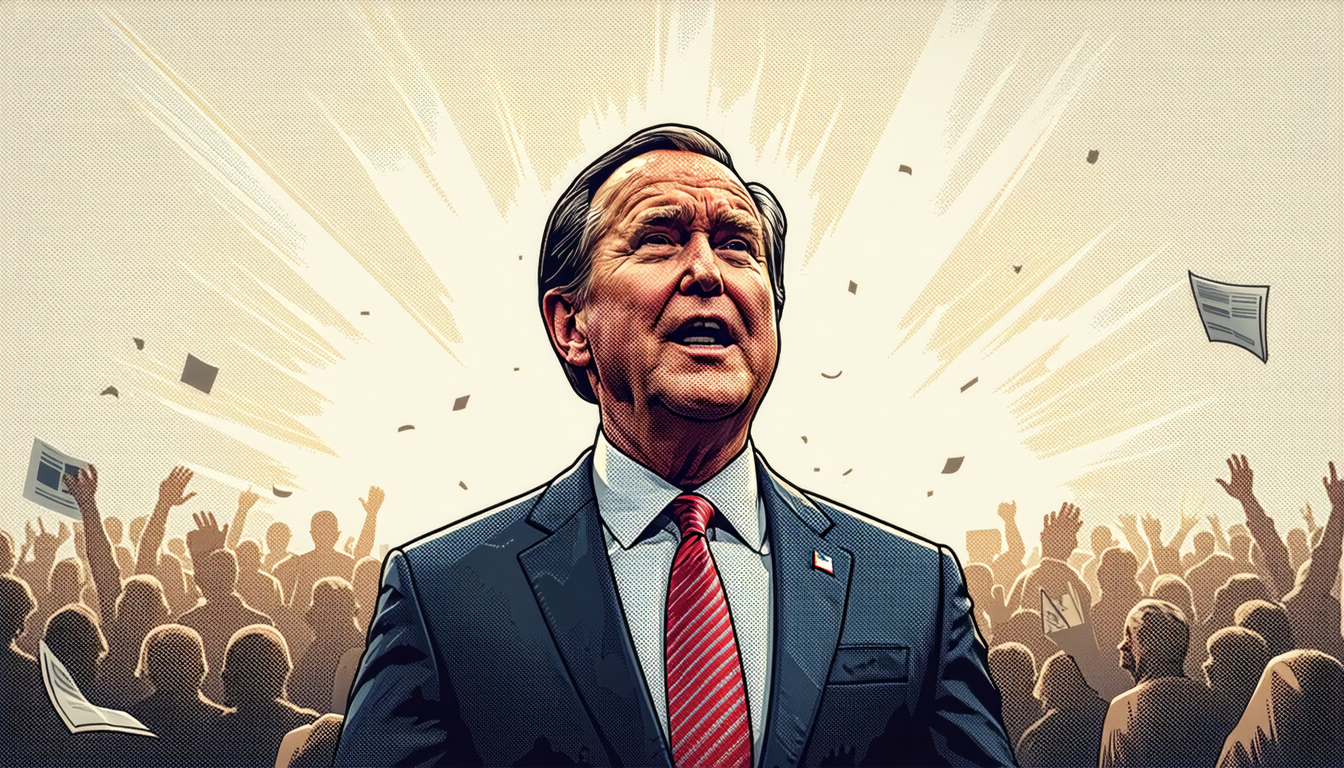
Brian Fitzpatrick's Campaign Ads Highlight Controversial Headlines from Partisan Sources
🐦 The Peck
Key Facts
-
●
Brian Fitzpatrick's campaign ads feature headlines from news outlets that are not considered unbiased.
CORROBORATED -
●
Fitzpatrick is a Republican congressman representing Pennsylvania's 1st congressional district.
CORROBORATED -
●
Critics have pointed out that the headlines used in Fitzpatrick's ads may mislead voters regarding his opponents.
UNVERIFIED
🔍 The Big Picture
**The Big Picture: Analyzing Brian Fitzpatrick's Campaign Ads and Their Implications**
Brian Fitzpatrick, the Republican representative for Pennsylvania's 1st congressional district, has recently come under scrutiny for his campaign advertisements, which prominently feature headlines from news outlets that are often viewed as partisan. This tactic raises significant questions about the integrity of political messaging and its potential impact on the electoral process. In an era where misinformation can easily proliferate, the use of partisan headlines may not only mislead voters about Fitzpatrick's opponents but also contribute to a broader environment of distrust in media and political discourse.
The reliance on headlines from biased sources underscores a growing trend in political campaigns where candidates leverage sensationalism to galvanize support. As voters increasingly rely on digital media for information, the distinction between credible journalism and partisan commentary becomes blurred. This trend is particularly concerning in a polarized political landscape where individuals may gravitate towards media that aligns with their beliefs. By utilizing controversial headlines, Fitzpatrick's campaign may capitalize on existing biases among voters, potentially skewing perceptions of his opponents and diverting attention from substantive policy discussions.
Moreover, the implications of such advertising strategies extend beyond Fitzpatrick's campaign. They reflect a broader systemic issue in American politics where the lines between fact and opinion are increasingly obscured. This phenomenon could lead to a disengaged electorate, where voters become skeptical of all media sources, thereby undermining informed decision-making. The potential for misinterpretation of campaign messages could have lasting effects on voter turnout and engagement, particularly in swing districts like Fitzpatrick's, where every vote counts.
While some may argue that the use of partisan headlines is a standard practice in political advertising, critics contend that it represents an ethical lapse that could further erode public trust in elected officials. The competing interpretations of Fitzpatrick's strategy highlight the tension between aggressive campaigning and responsible communication. As the election cycle progresses, the ramifications of such tactics will likely prompt discussions about the need for clearer guidelines on political advertising and the responsibility of candidates to present information transparently.
In summary, Brian Fitzpatrick's use of controversial headlines from partisan sources in his campaign ads serves as a microcosm of larger issues facing American democracy, including the erosion of trust in media and the challenges of informed voter engagement. As the political landscape continues to evolve, the implications of such strategies will be critical to monitor, as they may shape not only the outcome of this election but also the future of political communication in the United States.
👀 What to Watch
- **October 31, 2023**: Deadline for political campaign ads to be submitted for airing ahead of the upcoming election. This will be a key date to monitor for any changes or updates to Fitzpatrick's campaign messaging.
- **November 7, 2023**: Election Day in Pennsylvania. Voter reactions to Fitzpatrick's campaign ads and the overall impact on his re-election bid will be assessed as results come in.
- **November 8, 2023**: Post-election analysis and media coverage will begin, focusing on how campaign strategies, including the use of controversial headlines, influenced voter decisions.
- **November 15, 2023**: Potential for public forums or debates among candidates in Pennsylvania's 1st congressional district to discuss campaign tactics, including the use of partisan headlines in advertisements.
- **December 2023**: Expected release of campaign finance reports detailing spending on advertising, which may provide insights into the effectiveness of Fitzpatrick's campaign strategy and the sources of funding for his ads.
- **January 2024**: Anticipated follow-up from watchdog organizations regarding the accuracy and impact of campaign ads in the recent election cycle, which may include assessments of Fitzpatrick's messaging strategies.
Comments (0)
No comments yet. Be the first to share your thoughts!
This Peckture was researched and generated by Peckture.com based on publicly available information. All claims are marked with their verification status.
Last updated: September 30, 2026 11:01 AM