Challenges of Manufacturing High-End Bicycles in America
🐦 The Peck
Key Facts
-
●
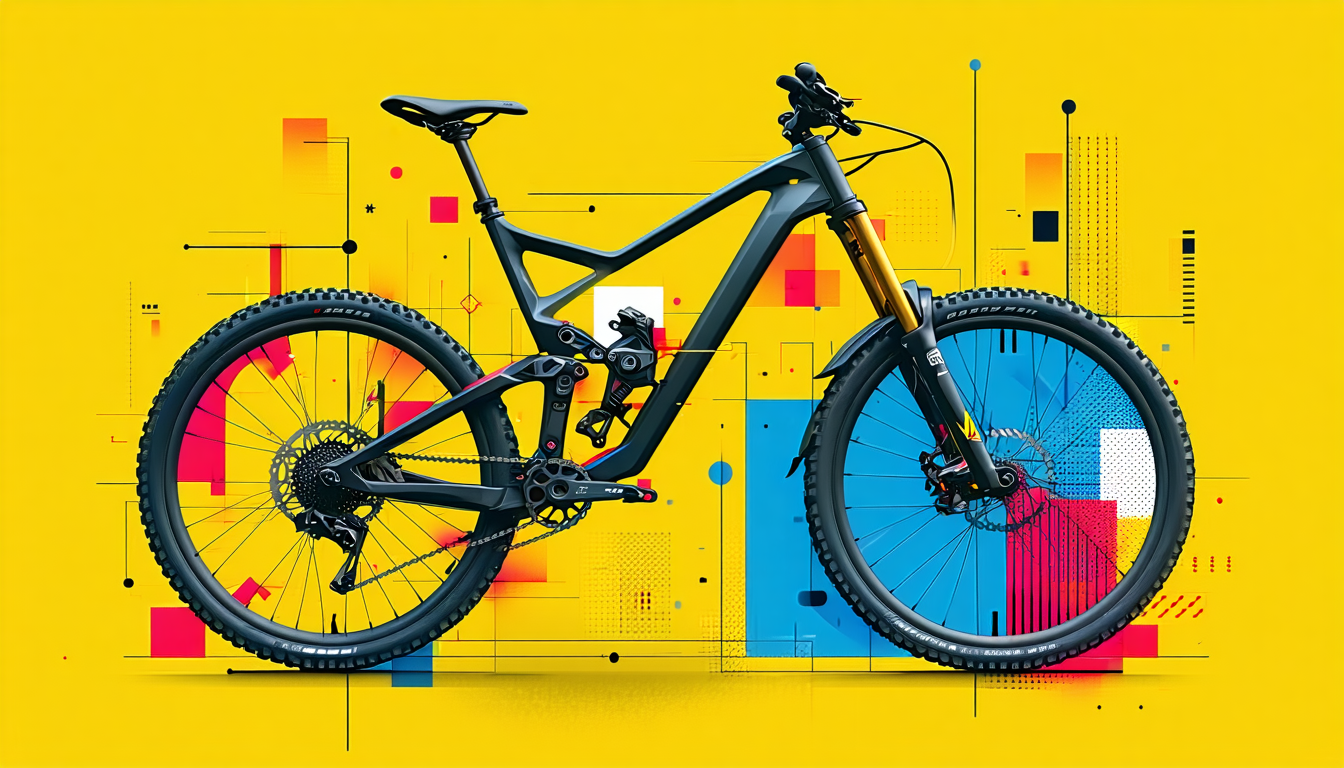
The $5,000 bike is a representation of the high costs associated with manufacturing in the U.S.
CORROBORATED -
●
Manufacturing costs in the U.S. are significantly higher than in countries like China and Taiwan.
CORROBORATED -
●
The bicycle industry has seen a trend towards higher prices due to increased material costs and labor shortages.
CORROBORATED -
●
American consumers are increasingly willing to pay premium prices for domestically produced goods.
UNVERIFIED -
●
The bike in question features high-end components that contribute to its price.
CORROBORATED
🔍 The Big Picture
**The Big Picture: Challenges of Manufacturing High-End Bicycles in America** The challenges associated with manufacturing high-end bicycles in the United States are emblematic of broader issues facing American manufacturing as a whole. The price tag of $5,000 for a premium bicycle highlights the significant costs that come with domestic production, which are notably higher than those in countries such as China and Taiwan. This disparity can be attributed to several factors, including elevated labor costs, stringent regulatory environments, and increased material costs. As the bicycle industry encounters these economic realities, it faces a dual challenge: maintaining competitive pricing while appealing to a consumer base that is increasingly willing to pay for domestically produced goods.
Recent trends indicate a growing consumer preference for high-quality, American-made products, driven in part by a renewed focus on sustainability and local economies. This shift is particularly relevant in the bicycle market, where buyers often seek high-end components and craftsmanship. However, while there is a willingness among consumers to invest in premium products, the sustainability of such pricing remains uncertain. The bicycle industry has seen an upward trajectory in prices due to labor shortages and rising material costs, which could skew the market dynamics if consumers begin to prioritize affordability over domestic production.
Moreover, the implications of these manufacturing challenges extend beyond individual companies to the broader economic landscape. As high-end bicycles become more expensive, there is a risk of alienating a segment of consumers who may opt for lower-priced alternatives, potentially affecting sales volume and market share. Additionally, this situation raises questions about the viability of the American manufacturing sector in niche markets. If domestic manufacturers cannot find a balance between quality and cost, they may struggle to compete against international producers who can offer similar products at lower prices.
There are competing interpretations of these trends. Some industry analysts argue that the premium price reflects a commitment to quality and sustainability, which could ultimately benefit American manufacturers in the long term. Conversely, others warn that without addressing the underlying cost issues, high prices may limit growth and accessibility in the market. As such, the future of high-end bicycle manufacturing in the U.S. may hinge on the industry's ability to innovate in production methods and supply chain management while navigating consumer expectations and economic pressures.
In summary, the challenges of manufacturing high-end bicycles in America illustrate a complex interplay of consumer behavior, production costs, and market dynamics. As the industry grapples with these factors, it must also consider the potential for future growth in the face of rising prices and competition from abroad. The outcome of this situation will not only shape the bicycle industry but may also serve as a microcosm for the broader American manufacturing landscape.
👀 What to Watch
- **Earnings Reports from Major Bicycle Manufacturers**: Several key players in the bicycle industry, such as Trek and Specialized, are scheduled to release their quarterly earnings reports in early November 2023. These reports may provide insights into pricing strategies and production costs.
- **Material Cost Analysis Release**: The Bureau of Labor Statistics is set to release its latest Producer Price Index (PPI) report on November 15, 2023. This report will detail trends in material costs that directly impact bicycle manufacturing.
- **Labor Market Data**: The U.S. Department of Labor will publish its monthly employment report on November 3, 2023. This report will highlight labor market conditions, which are crucial for understanding labor shortages impacting manufacturing.
- **Consumer Sentiment Survey Results**: The University of Michigan will release its Consumer Sentiment Index on November 10, 2023. This survey may indicate consumer willingness to pay premium prices for domestically produced goods, including high-end bicycles.
- **Industry Conference on Domestic Manufacturing**: The National Bicycle Dealers Association (NBDA) is hosting a conference focused on domestic manufacturing and pricing strategies on December 5-7, 2023. Key industry stakeholders will discuss challenges and opportunities in the high-end bicycle market.
- **Tariff Review Hearing**: The U.S. International Trade Commission is scheduled for a public hearing on December 12, 2023, regarding tariffs on imported bicycle components. Outcomes from this hearing could impact manufacturing costs for domestic bicycle producers.
- **Launch of New High-End Bicycle Models**: Several American manufacturers are expected to unveil new high-end bicycle models in early January 2024 at the Consumer Electronics Show (CES). These launches may reflect the latest trends in high-end components and pricing strategies.
Comments (0)
No comments yet. Be the first to share your thoughts!
This Peckture was researched and generated by Peckture.com based on publicly available information. All claims are marked with their verification status.
Last updated: September 23, 2026 5:10 AM