Community Opposition to Sunnyside Yard Plan in Queens
🐦 The Peck
Key Facts
-
●
Local residents expressed concerns about the Sunnyside Yard redevelopment plan during a recent public meeting.
CORROBORATED -
●
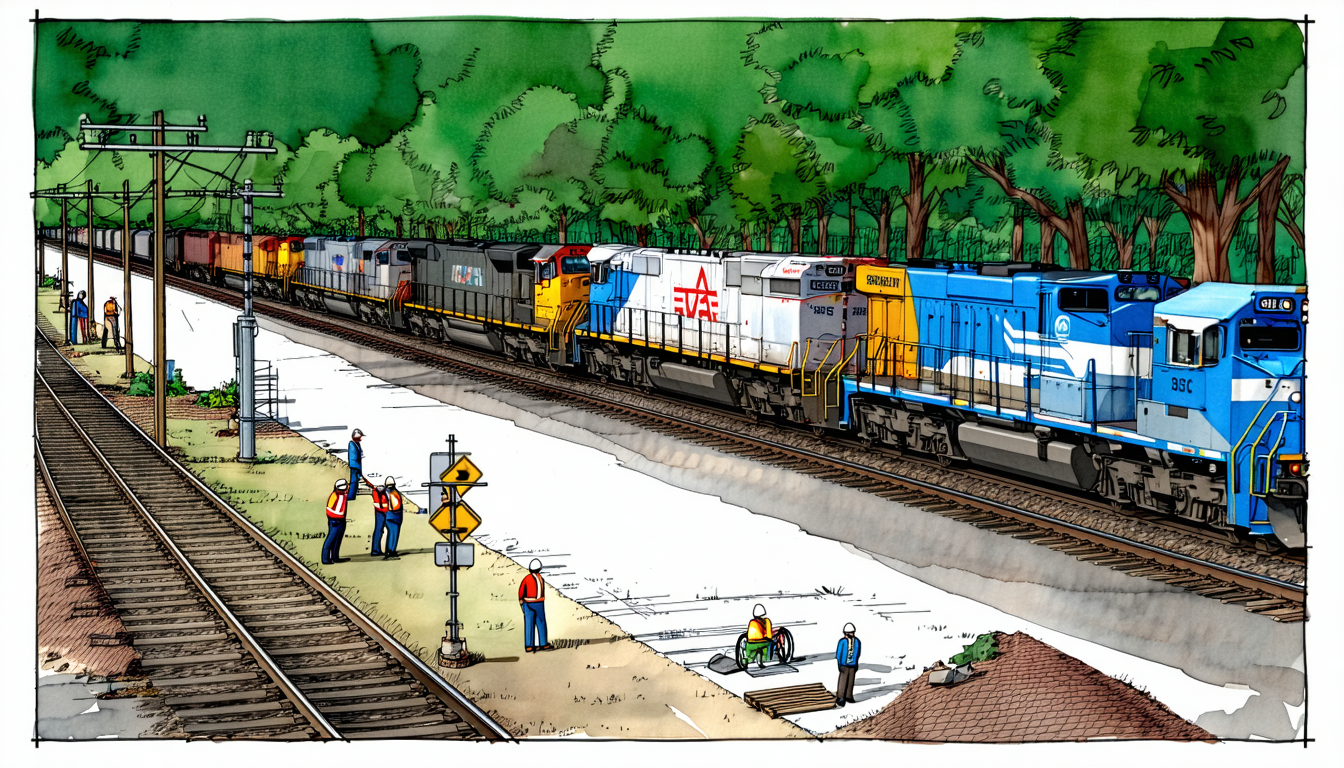
The Sunnyside Yard plan aims to create new housing and public spaces on a 180-acre rail yard in Queens.
CORROBORATED -
●
Governor Kathy Hochul and former President Donald Trump have been involved in discussions regarding the Sunnyside Yard project.
UNVERIFIED -
●
Community members are worried about potential displacement and increased traffic due to the development.
CORROBORATED
🔍 The Big Picture
**The Big Picture: Community Opposition to Sunnyside Yard Plan in Queens**
The recent public meeting in Queens regarding the Sunnyside Yard redevelopment plan highlights a significant tension between urban development and community preservation. The proposal, which envisions the transformation of a 180-acre rail yard into a mixed-use space featuring new housing and public amenities, has sparked considerable concern among local residents. Their apprehensions center around the potential for displacement of current inhabitants and the likelihood of increased traffic congestion in the area. These worries reflect broader trends in urban development, where large-scale projects often face scrutiny from communities fearing loss of neighborhood character and livability.
The involvement of high-profile figures such as Governor Kathy Hochul and former President Donald Trump in discussions about the Sunnyside project underscores its importance within the political and economic landscape of New York City. The state government’s push for redevelopment aligns with ongoing efforts to address housing shortages and economic revitalization in the region. However, the community's resistance signals a potential clash between governmental objectives and local needs. As urban areas grapple with housing crises, the tension between development and resident interests becomes increasingly pronounced, raising questions about how to balance growth with community stability.
This situation also illustrates a broader trend of community activism against large-scale developments, which has been observed in various cities across the United States. Residents are becoming more organized and vocal about their concerns, leveraging public meetings and social media to amplify their messages. This grassroots opposition can significantly impact the trajectory of urban projects, as seen in other cases where community pushback has led to revisions or cancellations of proposed developments. The Sunnyside Yard plan may serve as a litmus test for how effectively policymakers can navigate these dynamics and address community concerns while pursuing ambitious urban initiatives.
While the redevelopment promises economic benefits and enhanced public spaces, it is crucial to consider the long-term implications for current residents. The potential for displacement and increased traffic could undermine the very goals of the project, leading to a scenario where new developments do not equate to improved quality of life for existing community members. As discussions continue, it will be essential for stakeholders to engage meaningfully with the community, seeking solutions that mitigate negative impacts while still fulfilling housing and economic objectives.
In summary, the opposition to the Sunnyside Yard plan highlights a critical intersection of urban development, community engagement, and policy-making. The outcomes of this situation may not only shape the future of Queens but also set precedents for how similar projects are approached in other urban contexts. As stakeholders navigate these complexities, the balance between development and community preservation will remain a pivotal issue that reflects broader societal values and priorities.
👀 What to Watch
- **Public Hearing on Redevelopment Plan**: A follow-up public hearing is scheduled for November 15, 2023, at 6 PM at the Sunnyside Community Services Center, where residents can voice their concerns and provide feedback on the redevelopment proposal.
- **Community Board Meeting**: The Queens Community Board 2 will hold a meeting on December 5, 2023, at 7 PM to discuss the Sunnyside Yard plan and gather additional input from residents.
- **Environmental Review Deadline**: The New York State Department of Environmental Conservation is expected to release the draft Environmental Impact Statement (EIS) for public comment by December 20, 2023, which will address community concerns regarding displacement and traffic.
- **Governor's Announcement**: Governor Kathy Hochul is anticipated to make a public statement regarding state support for the Sunnyside Yard project during a press conference scheduled for January 10, 2024.
- **Community Engagement Workshop**: A community engagement workshop is planned for January 25, 2024, from 5 PM to 8 PM, aimed at discussing the redevelopment's impact and gathering further community input.
- **City Council Review**: The New York City Council is expected to review the Sunnyside Yard redevelopment plan during a session in late February 2024, with a vote anticipated by March 2024.
- **Potential Legal Challenges**: Community groups are preparing to file legal challenges against the project, with initial filings expected by the end of March 2024, contingent on the outcomes of public hearings and the EIS.
Comments (0)
No comments yet. Be the first to share your thoughts!
This Peckture was researched and generated by Peckture.com based on publicly available information. All claims are marked with their verification status.
Last updated: September 23, 2026 11:01 AM