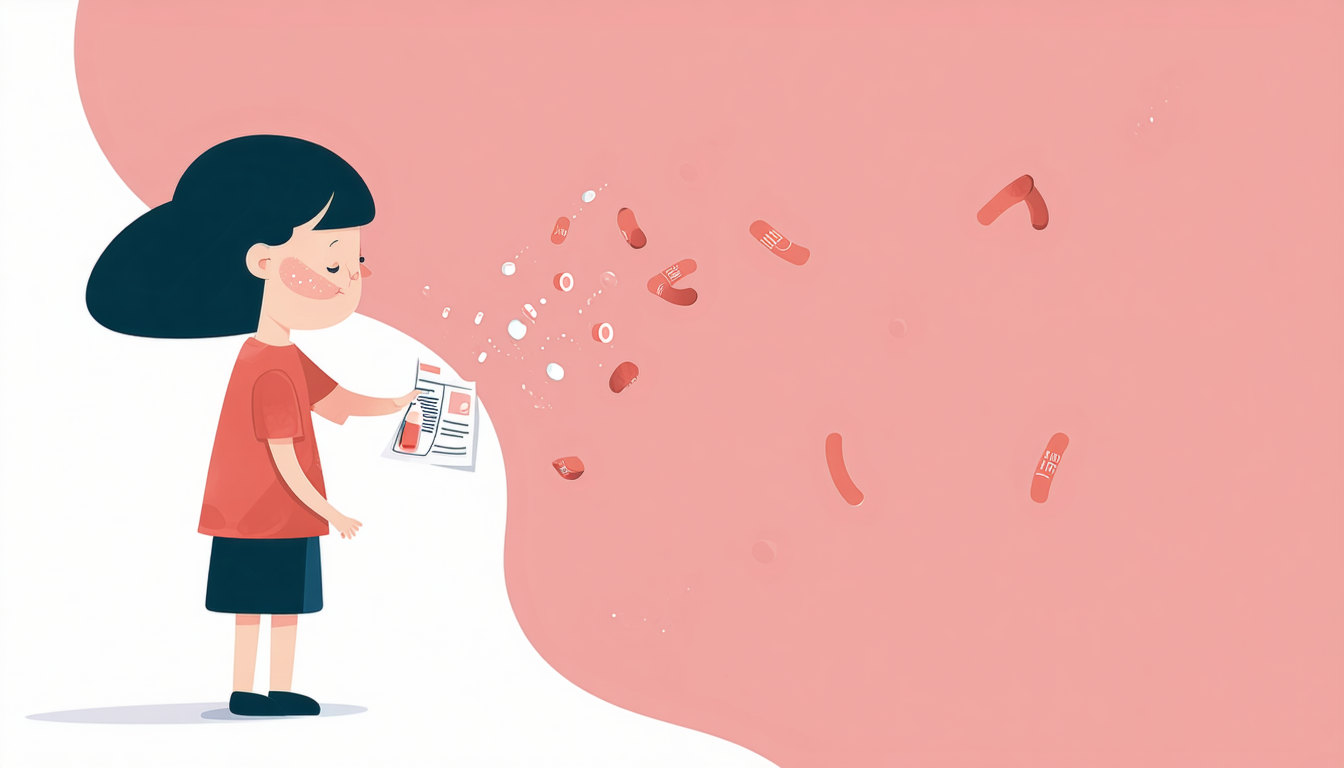
Concerns Grow Over Cancer-Causing Chemicals in Children's Environments
🐦 The Peck
Key Facts
-
●
Parents are increasingly concerned about exposure to cancer-causing chemicals in everyday products and environments.
CORROBORATED -
●
Studies have shown that certain chemicals, such as phthalates and bisphenol A (BPA), are linked to health risks including cancer.
CORROBORATED -
●
The Environmental Protection Agency (EPA) has been called upon to increase testing and regulation of chemicals that may pose risks to children.
UNVERIFIED -
●
Recent surveys indicate that a significant percentage of parents are unaware of the potential dangers of chemicals in household products.
UNVERIFIED
🔍 The Big Picture
The growing concerns over cancer-causing chemicals in children's environments underscore a critical intersection of public health, consumer safety, and regulatory policy. As parents become increasingly aware of the potential risks associated with everyday products, the demand for more stringent safety measures has intensified. Chemicals such as phthalates and bisphenol A (BPA), commonly found in plastics and personal care items, have been linked to various health issues, including cancer. This mounting anxiety reflects a broader societal shift towards prioritizing child safety and health, particularly in light of studies that indicate these substances can interfere with developmental processes in children.
The call for the Environmental Protection Agency (EPA) to enhance testing and regulation of potentially harmful chemicals is a pivotal response to these concerns. As parents express their worries through surveys, which reveal a significant number are unaware of the dangers posed by common household items, it becomes evident that there is a pressing need for improved public awareness and education. The EPA's role in this context is crucial; their regulatory framework not only affects consumer protection but also influences the market dynamics for manufacturers who produce or use these chemicals. Increased regulation could lead to significant changes in product formulations, impacting supply chains and potentially raising costs for consumers.
This issue is part of a larger trend towards environmental health and safety, where consumer demand for transparency and safety is reshaping industries. Companies are increasingly held accountable for the safety of their products, leading to a rise in "green" and non-toxic alternatives in the marketplace. However, there is uncertainty surrounding the extent to which regulatory changes will be implemented and how swiftly companies will adapt to new standards. Competing interpretations of the situation may arise, with some stakeholders advocating for immediate regulation while others argue for a more measured approach that considers economic implications and the feasibility of alternative materials.
Ultimately, the implications of these concerns extend beyond health risks; they reflect a growing recognition of the environment's role in public health. Policymakers, manufacturers, and consumers must navigate this complex landscape where scientific evidence, regulatory frameworks, and consumer behavior intersect. The outcome of this dialogue will not only determine the safety of children's environments but also shape future business practices and regulatory approaches in the consumer goods sector. As the conversation evolves, stakeholders must balance the urgency of addressing health risks with the practicalities of market and regulatory change.
👀 What to Watch
- **EPA Public Meeting on Chemical Risk Assessment**
Date: November 15, 2023
The Environmental Protection Agency will hold a public meeting to discuss the current state of chemical risk assessments and potential regulatory changes regarding hazardous substances, including those affecting children.
- **Release of New Study on Phthalates and BPA**
Date: December 5, 2023
A comprehensive study from a leading public health institution is set to be published, examining the long-term health impacts of phthalates and BPA exposure in children, which may influence public policy and parental awareness.
- **National Parents Survey Results Announcement**
Date: January 10, 2024
A major survey conducted by a child health advocacy group will release findings regarding parental awareness and concerns about chemicals in household products, providing insight into public sentiment and potential advocacy actions.
- **Congressional Hearing on Chemical Safety Legislation**
Date: February 8, 2024
A congressional committee will hold a hearing to discuss proposed legislation aimed at increasing regulation and testing of chemicals in consumer products, particularly those used by children.
- **Launch of Public Awareness Campaign by Health Organizations**
Date: March 1, 2024
A coalition of health organizations is set to launch a nationwide campaign aimed at educating parents about the risks of chemical exposure in children’s environments and promoting safer alternatives.
- **Deadline for Comments on Proposed Chemical Regulations**
Date: March 15, 2024
The EPA will close the public comment period for its proposed regulations on specific chemicals, including phthalates and BPA, inviting feedback from parents, health professionals, and industry stakeholders.
- **Annual Report on Environmental Chemicals and Child Health**
Date: April 20, 2024
The Centers for Disease Control and Prevention (CDC) will publish its annual report detailing the impact of environmental chemicals on child health, which may inform future research and policy decisions.
Comments (0)
No comments yet. Be the first to share your thoughts!
This Peckture was researched and generated by Peckture.com based on publicly available information. All claims are marked with their verification status.
Last updated: September 24, 2026 10:01 PM