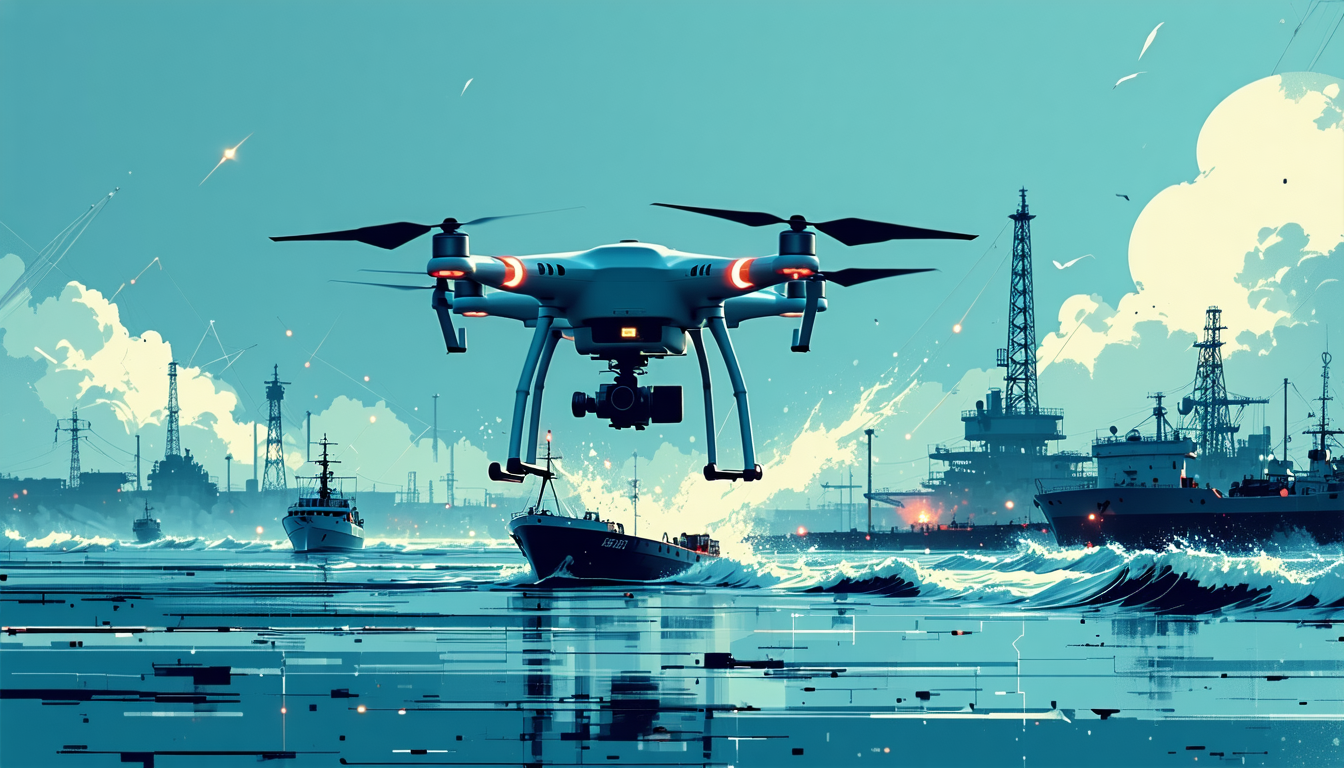
Drones Revolutionize Hurricane Response for Shell's Operations
🐦 The Peck
Key Facts
-
●
Shell has been using drones to assess damage and monitor operations during hurricanes.
CORROBORATED -
●
Hurricanes can cause millions of dollars in damage to offshore oil platforms.
CORROBORATED -
●
Drones allow for faster and safer inspections of oil platforms compared to traditional methods.
UNVERIFIED -
●
Shell's use of drones is part of a broader trend in the oil and gas industry to adopt advanced technologies.
UNVERIFIED
🔍 The Big Picture
**The Big Picture: Drones Revolutionize Hurricane Response for Shell's Operations**
Shell's adoption of drone technology for assessing damage and monitoring operations during hurricanes marks a significant shift in how the oil and gas industry approaches disaster management. Historically, hurricanes have posed severe risks to offshore oil platforms, often resulting in millions of dollars in damages. Traditional inspection methods, which typically involve manned helicopters or boats, can be both time-consuming and hazardous. By integrating drones into their operational protocols, Shell not only enhances the safety of its inspections but also accelerates the response time, allowing for quicker recovery and potentially minimizing financial losses.
The implications of this shift extend beyond Shell’s operations. The oil and gas industry is increasingly recognizing the need for advanced technologies to improve efficiency and safety. Drones provide a clear example of how innovation can streamline operations and reduce risk, particularly in environments that are inherently dangerous. As companies face growing pressure to maintain productivity while also adhering to safety regulations and environmental concerns, the integration of such technologies could become a standard practice across the sector. This trend aligns with broader movements within various industries that are leveraging data analytics, automation, and remote monitoring to enhance operational resilience.
However, the reliance on drones also invites a range of competing interpretations regarding the future of workforce dynamics in the oil and gas sector. While drones can reduce the need for on-site personnel during inspections, there may be concerns about job displacement. Conversely, proponents argue that this technology will create new opportunities for skilled workers in drone operation and data analysis. The balance between leveraging technological advancements and maintaining a skilled workforce will be a critical factor for companies as they navigate this transition.
Uncertainties remain regarding the long-term efficacy and regulatory challenges associated with drone usage in offshore environments. While the immediate benefits of faster and safer inspections are evident, the durability of drone technology in extreme weather conditions and its integration into existing regulatory frameworks will require ongoing evaluation. Moreover, as the industry evolves, companies like Shell will need to continually assess the cost-benefit ratio of such investments against fluctuating oil prices and potential operational disruptions.
In summary, Shell’s use of drones for hurricane response is indicative of a pivotal moment in the oil and gas industry, where technological innovation is reshaping operational strategies. This evolution not only enhances safety and efficiency but also raises important questions about workforce implications and regulatory challenges. As the industry continues to embrace these advancements, the long-term impacts on business models and operational frameworks will be closely watched by stakeholders and analysts alike.
👀 What to Watch
- **Shell Q3 2023 Earnings Call**: Scheduled for October 26, 2023, at 8:00 AM ET. Analysts will likely inquire about the impact of drone technology on operational efficiency and cost savings during hurricane assessments.
- **Hurricane Season Review**: The National Oceanic and Atmospheric Administration (NOAA) will release its post-hurricane season report in early December 2023, which may include data on the impact of hurricanes on offshore oil operations, potentially highlighting Shell's drone usage.
- **Industry Conference on Technology in Oil and Gas**: The Offshore Technology Conference (OTC) will take place from May 6-9, 2024, in Houston, TX. Shell may present findings on drone technology's effectiveness in hurricane response, providing insights into industry trends.
- **Regulatory Review of Drone Usage**: The Federal Aviation Administration (FAA) is expected to finalize new regulations regarding drone operations in complex environments by the end of Q1 2024, which could affect how Shell and other companies deploy drones for inspections.
- **Shell Sustainability Report Release**: Shell’s annual sustainability report is expected in April 2024, which may include metrics on the environmental impact of using drones for inspections versus traditional methods during hurricane events.
- **Partnership Announcements**: Watch for potential announcements regarding partnerships with drone technology firms or research institutions, likely to be made in early 2024 as the oil and gas industry continues to innovate.
Comments (0)
No comments yet. Be the first to share your thoughts!
This Peckture was researched and generated by Peckture.com based on publicly available information. All claims are marked with their verification status.
Last updated: October 9, 2026 10:00 PM