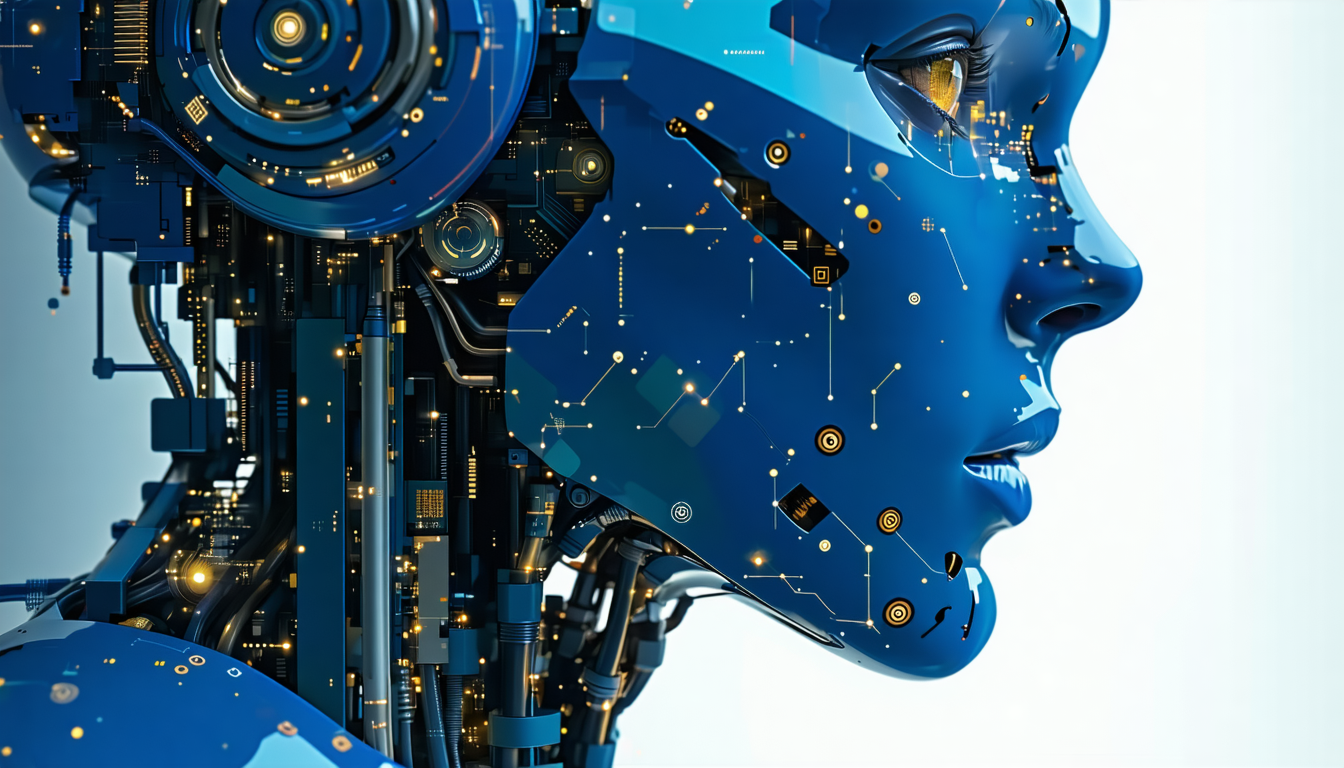
Exploring the Risks and Benefits of AI Agents
🐦 The Peck
Key Facts
-
●
AI agents are increasingly being developed to perform complex tasks autonomously.
CORROBORATED -
●
Concerns about the ethical implications of AI agents are growing among experts.
CORROBORATED -
●
Some AI agents have shown capabilities that exceed human performance in specific tasks.
UNVERIFIED -
●
The development of AI agents raises questions about job displacement in various industries.
CORROBORATED -
●
There is a debate about the regulation of AI technologies to ensure safety and accountability.
CORROBORATED
🔍 The Big Picture
The development of AI agents represents a significant shift in the technological landscape, as these systems increasingly take on complex tasks that were traditionally performed by humans. The capabilities of these AI agents have advanced to the point where they can outperform humans in specific domains, such as data analysis, pattern recognition, and even certain creative tasks. This trend is indicative of a broader digital transformation across industries, where automation and artificial intelligence are becoming integral to operational efficiency and decision-making processes. As organizations seek to leverage these advancements, the potential for increased productivity and innovation is substantial.
However, the rise of AI agents is not without its challenges. Experts are voicing growing concerns about the ethical implications of deploying such technologies. Issues such as bias in AI algorithms, transparency in decision-making, and the potential for misuse are at the forefront of discussions among technologists, ethicists, and policymakers. This scrutiny is particularly pertinent as the capabilities of AI agents expand, raising questions about accountability and the moral responsibilities of developers and companies that implement these technologies. The ethical discourse surrounding AI is critical, as it will shape public perception and acceptance, which are essential for the successful integration of AI into society.
Job displacement is another significant concern linked to the proliferation of AI agents. As these systems take on more responsibilities, there is a palpable fear that they could replace human workers in various sectors, leading to significant economic and social repercussions. Industries such as manufacturing, customer service, and even professional services are at risk of undergoing substantial transformation, which may result in workforce reductions and require reskilling initiatives. The potential for widespread job displacement necessitates a proactive approach from businesses and governments to develop strategies that support affected workers and foster a transition towards new job opportunities created by AI technologies.
Regulation is a critical area of debate as stakeholders grapple with how to govern the development and implementation of AI agents. There is a growing consensus that some form of regulatory framework is necessary to ensure the safe and responsible use of AI technologies. However, opinions vary widely on what this regulation should entail. Some advocate for stringent oversight to mitigate risks, while others argue that overly restrictive regulations could stifle innovation and hinder the competitive edge that AI can provide. The challenge lies in finding a balance that promotes technological advancement while safeguarding societal interests.
In summary, the exploration of AI agents encapsulates a complex interplay of technological potential, ethical considerations, economic impacts, and regulatory challenges. As businesses and policymakers navigate this evolving landscape, it is imperative that they consider the multifaceted implications of AI technologies. The ongoing dialogue among experts, industry leaders, and the public will be crucial in shaping a future where AI agents can be harnessed effectively and ethically, ensuring that their benefits are maximized while minimizing potential risks.
👀 What to Watch
- **AI Ethics Conference**: Scheduled for November 15-16, 2023, this conference will feature discussions on the ethical implications of AI agents, with experts addressing concerns raised in the industry.
- **U.S. Senate Hearing on AI Regulation**: A hearing is set for December 5, 2023, where lawmakers will discuss potential regulations for AI technologies, focusing on safety, accountability, and job displacement.
- **Annual AI Research Symposium**: Taking place on January 10-12, 2024, this symposium will showcase recent advancements in AI agents, including studies on their capabilities compared to human performance.
- **Release of AI Workforce Impact Report**: The International Labour Organization is expected to publish a report on January 25, 2024, analyzing the impact of AI agents on job markets across various industries.
- **Tech Company Earnings Calls**: Several leading AI developers, including OpenAI and Google, will hold earnings calls in early February 2024, likely addressing the financial implications of their AI agent developments and market reception.
- **Public Consultation on AI Guidelines**: The European Commission will open a public consultation period on proposed AI regulations starting February 15, 2024, inviting stakeholders to voice their opinions on ethical and safety standards.
- **Launch of AI Agent Pilot Programs**: Various tech companies are expected to announce pilot programs for new AI agents by March 2024, aimed at testing their performance in real-world applications and gathering data on effectiveness and safety.
Comments (0)
No comments yet. Be the first to share your thoughts!
This Peckture was researched and generated by Peckture.com based on publicly available information. All claims are marked with their verification status.
Last updated: September 24, 2026 10:00 PM