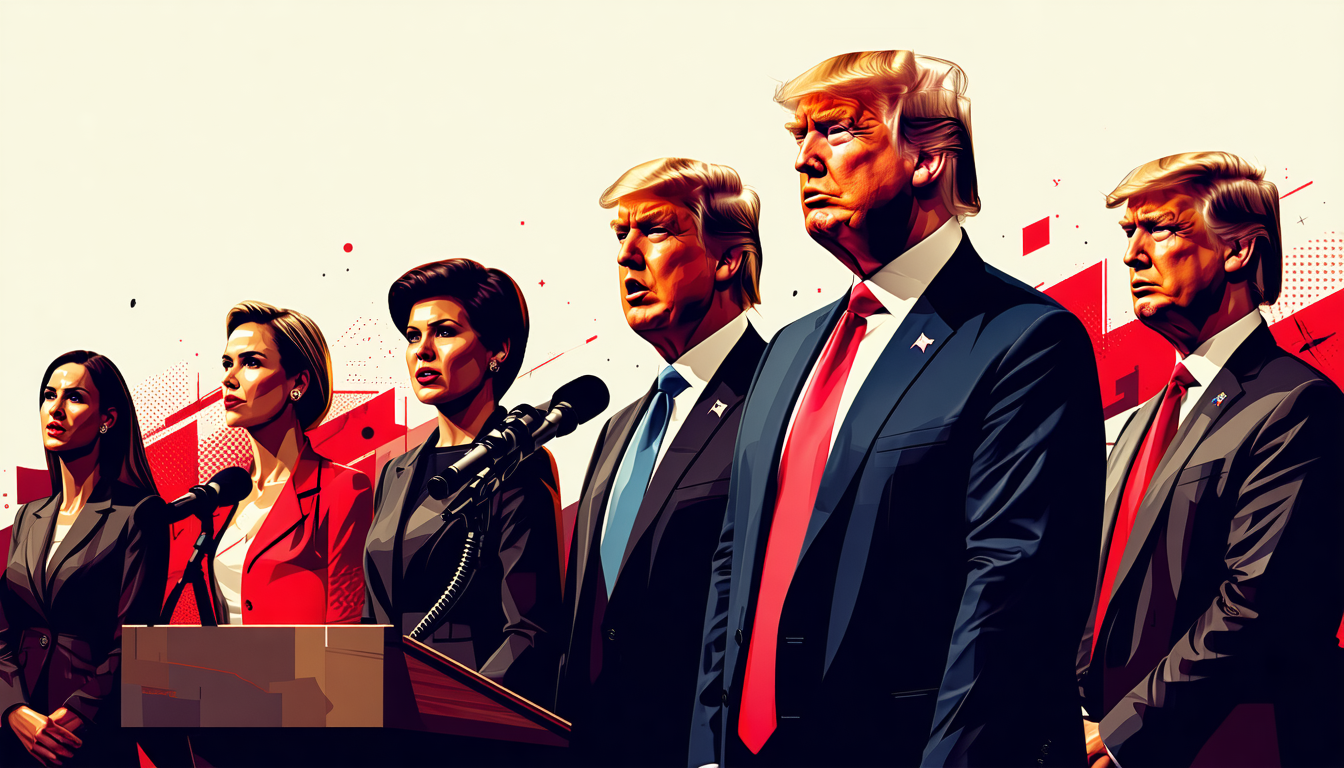
Extremist Candidates in November Elections Raise Concerns
🐦 The Peck
Key Facts
-
●
Several candidates with extremist views are running for office in the upcoming November elections.
CORROBORATED -
●
These candidates are affiliated with far-right groups and have been linked to previous incidents of violence.
CORROBORATED -
●
The elections are set to take place on November 8, 2023.
CORROBORATED -
●
Social media platforms have seen increased discussions about these candidates, with concerns over their potential impact on local governance.
UNVERIFIED
🔍 The Big Picture
The upcoming November 8, 2023 elections have brought to the forefront a cohort of candidates with extremist views, predominantly affiliated with far-right groups. This development raises significant concerns regarding the potential influence these individuals may exert on local governance and policy-making. Far-right extremism has been linked to a series of violent incidents in the past, fostering a climate of unease among constituents and prompting discussions about the implications of such candidates securing office.
The rise of extremist candidates is not an isolated phenomenon but part of a broader trend observed in various electoral landscapes across the United States and globally. The increasing visibility of these candidates can be attributed to the pervasive role of social media, which has become a platform for their messages, allowing them to mobilize support and disseminate their ideologies more effectively. This trend raises questions about the robustness of democratic institutions and the values they uphold. The potential normalization of extremist rhetoric in mainstream politics could lead to shifts in policy priorities, particularly in areas such as public safety, civil rights, and social cohesion.
Competing interpretations of this trend exist. Some analysts argue that the presence of extremist candidates reflects a growing discontent with the political establishment and a desire for radical change among certain voter demographics. Others caution that such candidates pose a direct threat to democratic norms and social stability, as their agendas often include divisive and inflammatory rhetoric that could incite violence or discrimination. It is crucial to recognize that while some voters may be drawn to these candidates for their perceived authenticity or alignment with personal beliefs, the broader implications of their election could undermine the very fabric of democratic governance.
While the verified claims suggest a concerning trend, it is important to approach the potential outcomes with a degree of caution. Speculation about the extent of these candidates' influence on local governance remains uncertain. Nonetheless, businesses and policymakers should remain vigilant about the potential shifts in the political landscape that could emerge if these candidates gain traction. The ramifications could extend to regulatory changes, shifts in community relations, and alterations in public policy that could affect economic stability and social cohesion in various regions.
Ultimately, the rise of extremist candidates in the upcoming elections serves as a critical reminder of the importance of civic engagement and the need for robust dialogue surrounding the values and principles that underpin democratic societies. As the elections approach, stakeholders across the political spectrum must engage in constructive discourse to address the challenges posed by extremism while fostering an inclusive and resilient political environment.
👀 What to Watch
- **November 8, 2023**: Nationwide elections will take place, including races for various local, state, and federal offices where extremist candidates are running. Voter turnout and election results will be closely monitored for indications of the candidates' influence.
- **October 31, 2023**: Deadline for voter registration in many states. This date will be crucial as it may impact the voter base and the potential success of extremist candidates.
- **November 1-7, 2023**: Final campaign push period for candidates. Expect increased media coverage and social media activity as candidates ramp up their outreach efforts.
- **November 9, 2023**: Post-election analysis and reporting will begin. Analysts and news outlets will evaluate the impact of extremist candidates on election outcomes and local governance.
- **November 15, 2023**: Anticipated release of voter demographic data and analysis by various research organizations, which will provide insights into the voting patterns related to extremist candidates.
- **Late November 2023**: Follow-up reports from law enforcement agencies and social media companies regarding any incidents of violence or hate speech linked to the campaigns or candidates, as well as measures taken to address these concerns.
Comments (0)
No comments yet. Be the first to share your thoughts!
This Peckture was researched and generated by Peckture.com based on publicly available information. All claims are marked with their verification status.
Last updated: September 28, 2026 5:00 PM