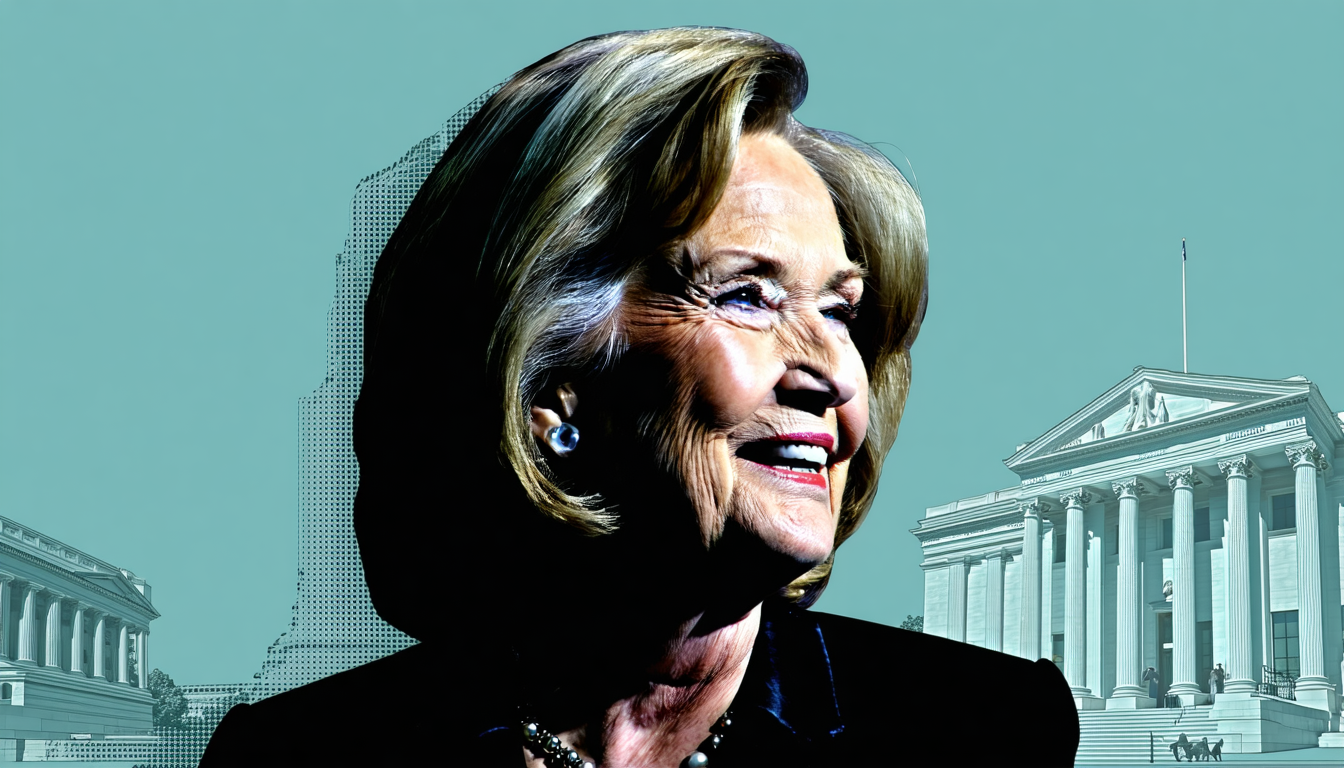
Former Fed Governor Betsy Duke Discusses CPI and Banking Sector Performance
🐦 The Peck
Key Facts
-
●
Betsy Duke served as a member of the Federal Reserve Board of Governors from 2008 to 2013.
CORROBORATED -
●
The Consumer Price Index (CPI) is a key indicator of inflation in the U.S. economy.
CORROBORATED -
●
Recent bank earnings reports have shown mixed results amid economic uncertainty.
CORROBORATED -
●
Duke has expressed concerns about the impact of inflation on the banking sector.
UNVERIFIED
🔍 The Big Picture
**The Big Picture: Analysis of Betsy Duke’s Insights on CPI and Banking Sector Performance**
Betsy Duke’s tenure on the Federal Reserve Board of Governors from 2008 to 2013 places her in a unique position to analyze current economic conditions, particularly concerning inflation and its ramifications for the banking sector. The Consumer Price Index (CPI), a critical measure of inflation, has shown volatility in recent months, raising concerns among economists and financial institutions alike. Duke’s insights come at a pivotal moment when many banks report mixed earnings amid broader economic uncertainty, reflecting the challenges that inflation poses not only to consumers but also to financial institutions.
The implications of rising inflation, as indicated by the CPI, are multifaceted for the banking sector. Higher inflation can lead to increased interest rates, which may squeeze profit margins for banks that rely on the spread between borrowing and lending rates. Additionally, inflation can impact consumer behavior, leading to reduced spending and higher default rates on loans. Duke’s concerns about these dynamics underline the importance of monitoring inflation trends and their potential impact on the stability and performance of banks, especially in a climate where economic growth remains uneven.
This situation also highlights broader trends in the economy, including the ongoing recovery from the pandemic and the shifting landscape of monetary policy. As the Federal Reserve adjusts its policy tools in response to inflationary pressures, the banking sector must navigate these changes while maintaining profitability. Competing interpretations arise regarding the effectiveness of the Fed’s strategies; some analysts argue for aggressive rate hikes to curb inflation, while others caution against potential overreach that could stifle economic growth.
While Duke's perspective is informed by her experience, uncertainty remains about how inflation will evolve and its long-term effects on the banking sector. Scenarios range from a gradual stabilization of prices, which could allow banks to adjust and thrive, to a more severe inflationary environment that could challenge their operational resilience. As stakeholders assess these risks, the performance of banks in the coming quarters will be crucial in shaping the financial landscape and influencing policy decisions moving forward.
In conclusion, Betsy Duke’s commentary on CPI and the banking sector underscores a critical intersection of economic indicators and financial health. As banks grapple with mixed earnings in an inflationary context, the implications of these developments will resonate throughout the economy, influencing everything from lending practices to consumer confidence. The ongoing dialogue among economists, policymakers, and financial institutions will be essential in navigating these complexities and ensuring a balanced approach to economic recovery.
👀 What to Watch
- **October 25, 2023**: Major U.S. banks, including JPMorgan Chase and Goldman Sachs, will report their Q3 earnings. Analysts will be closely watching these results for insights on how inflation is affecting bank performance.
- **November 1, 2023**: The Federal Reserve will hold its next Federal Open Market Committee (FOMC) meeting to discuss interest rates and monetary policy. Any changes or statements regarding inflation and economic outlook could impact the banking sector.
- **November 10, 2023**: The Bureau of Labor Statistics will release the Consumer Price Index (CPI) data for October. This report will provide updated insights into inflation trends, which are crucial for the banking industry.
- **November 15, 2023**: The Federal Reserve will publish its Financial Stability Report. This document will assess risks in the banking sector, including the effects of inflation, which may align with Duke's concerns.
- **December 2023**: The Federal Reserve is expected to announce its updated economic projections. Any adjustments to inflation forecasts could significantly influence banking sector performance and investor sentiment.
- **January 2024**: The next round of quarterly earnings reports for banks will begin. This will provide further insights into how the banking sector has adapted to ongoing inflationary pressures and economic uncertainty.
Comments (0)
No comments yet. Be the first to share your thoughts!
This Peckture was researched and generated by Peckture.com based on publicly available information. All claims are marked with their verification status.
Last updated: October 12, 2026 10:00 PM