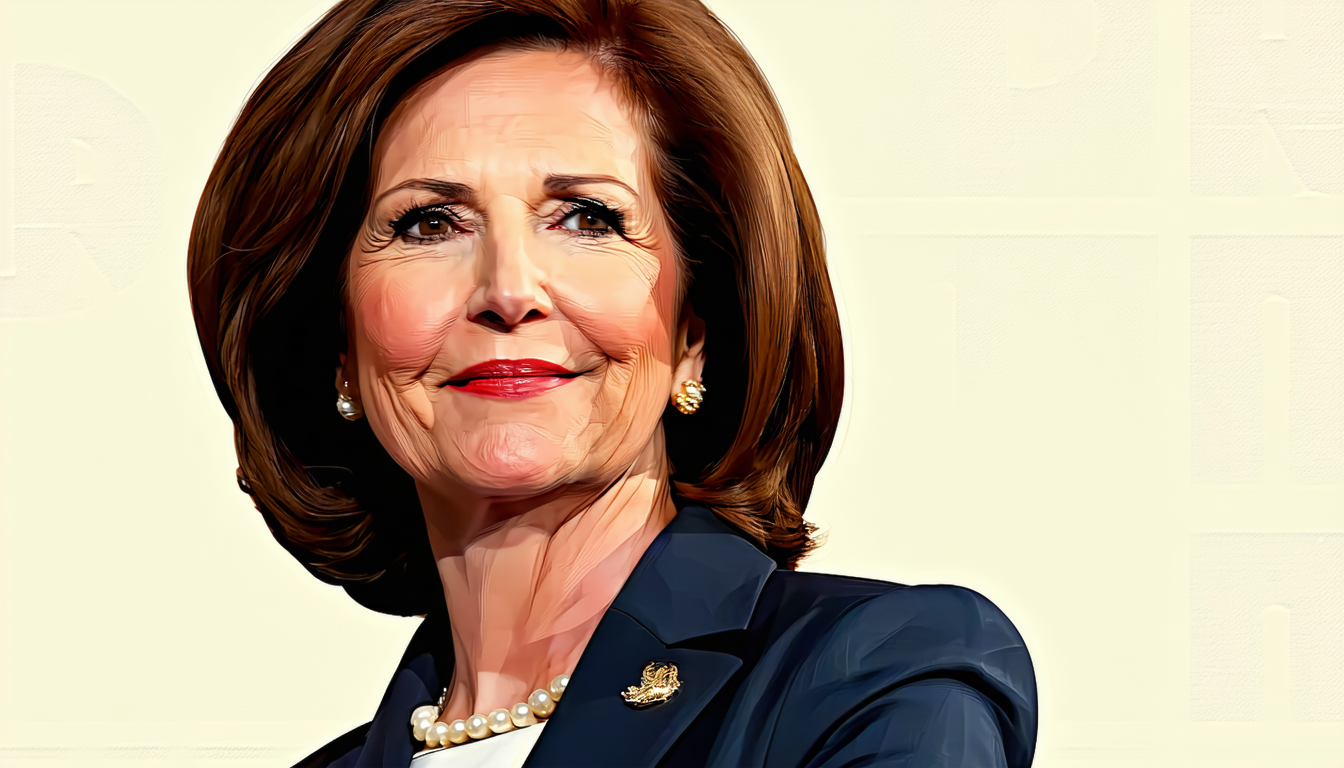
Hochul Proposes Revisions to New York's Rape Laws Amid Controversy at Cornell University
🐦 The Peck
Key Facts
-
●
Governor Kathy Hochul is considering changes to New York's rape laws in response to incidents at Cornell University.
CORROBORATED -
●
The proposed changes aim to address gaps in the current legal framework regarding sexual assault cases.
UNVERIFIED -
●
The discussion around the rape law changes has gained traction following a high-profile case at Cornell University involving allegations of sexual misconduct.
CORROBORATED -
●
Cornell University has faced scrutiny over its handling of sexual assault allegations, prompting public outcry and calls for reform.
CORROBORATED
🔍 The Big Picture
The recent proposal by New York Governor Kathy Hochul to revise the state’s rape laws reflects a growing recognition of the inadequacies in the legal framework surrounding sexual assault cases, particularly in the context of higher education institutions like Cornell University. This initiative comes on the heels of heightened scrutiny of Cornell's response to allegations of sexual misconduct, which has sparked public outcry and demands for reform. The proposed changes aim to bridge existing gaps in the law, potentially leading to a more comprehensive and victim-centered approach to sexual assault cases.
The significance of this proposal extends beyond the immediate context of Cornell University. It highlights a broader societal shift towards addressing sexual violence and ensuring accountability within educational institutions. The public's reaction to the handling of sexual misconduct cases at universities has become increasingly critical, as seen in recent movements advocating for survivors' rights and institutional transparency. Hochul's initiative could set a precedent for other states to reevaluate their own legal frameworks regarding sexual violence, potentially catalyzing a nationwide dialogue on the adequacy of current laws.
However, this issue is not without its complexities and competing interpretations. Advocates for stronger laws argue that current statutes are insufficient to protect victims and hold perpetrators accountable, while some legal experts caution that overly broad revisions could inadvertently lead to challenges in prosecution or misuse of the laws. The balance between protecting victims and ensuring fair legal processes for the accused remains a contentious point of discussion. As such, the proposed changes may face scrutiny from various stakeholders, including legal scholars, advocacy groups, and the public.
The implications of these proposed revisions are multifaceted, with potential impacts on law enforcement practices, university policies, and the broader landscape of sexual violence prevention. If successful, these changes may lead to an increase in reported cases, as victims feel more empowered to come forward, but they could also raise questions about the adequacy of support services for survivors. The evolving conversation around sexual assault laws will likely influence legislative agendas at both state and national levels, as policymakers grapple with the challenge of creating effective legal safeguards without compromising due process rights.
In conclusion, Hochul’s proposal to revise New York's rape laws is a response to a critical and timely issue that resonates within the context of ongoing national discussions about sexual violence and institutional accountability. As this situation develops, it will be essential to monitor the reactions from various stakeholders and the potential ramifications for both victims and accused individuals alike. The outcome of these proposed changes could serve as a significant touchstone for future legal reforms in the realm of sexual assault legislation.
👀 What to Watch
- **October 30, 2023**: New York State Assembly Judiciary Committee meeting to discuss proposed changes to the state's rape laws, including public testimony from advocacy groups and legal experts.
- **November 15, 2023**: Deadline for public comments on the proposed revisions, allowing stakeholders to submit feedback and recommendations to Governor Hochul's office.
- **December 1, 2023**: Scheduled public hearing in Albany, NY, where Governor Hochul is expected to outline her proposed legislative changes and respond to community concerns regarding sexual assault laws.
- **December 15, 2023**: Anticipated release of a comprehensive report from Cornell University addressing its handling of sexual assault allegations, which may influence the legislative discussions.
- **January 10, 2024**: Opening of the New York State legislative session, during which Governor Hochul may formally introduce her proposed revisions to the rape laws for consideration.
- **February 2024**: Potential timeline for a vote in the New York State Assembly on the proposed changes, depending on the progress of discussions and public input received.
- **March 2024**: Expected follow-up meeting of the New York State Senate to review any amendments made to the proposed rape law revisions and further discuss implications for higher education institutions.
Comments (0)
No comments yet. Be the first to share your thoughts!
This Peckture was researched and generated by Peckture.com based on publicly available information. All claims are marked with their verification status.
Last updated: October 2, 2026 10:01 PM