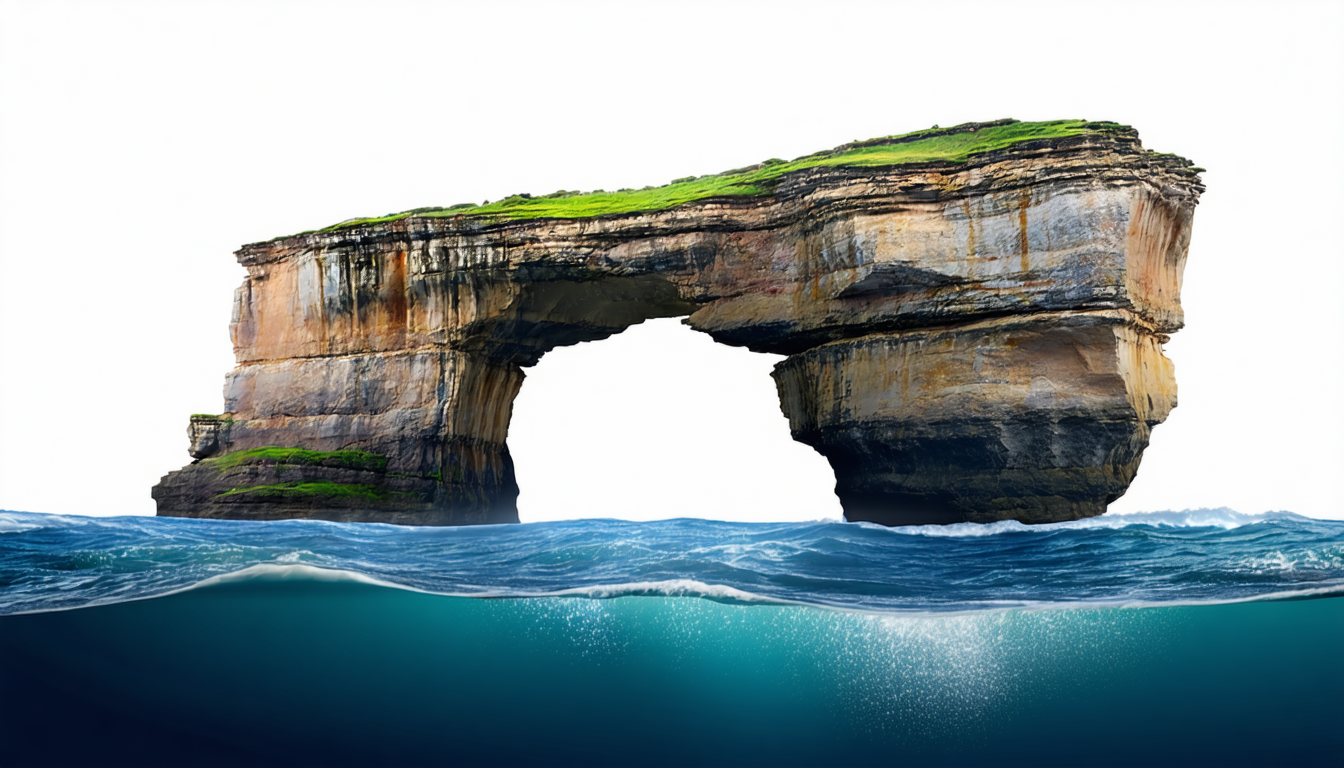
Hōlei Sea Arch in Hawaii Collapses After 550 Years
🐦 The Peck
Key Facts
-
●
The Hōlei Sea Arch, a natural rock formation in Hawaii, collapsed.
CORROBORATED -
●
The Hōlei Sea Arch was approximately 550 years old.
CORROBORATED -
●
The collapse occurred due to natural erosion and weathering processes.
UNVERIFIED -
●
The Hōlei Sea Arch was located in the Hawaii Volcanoes National Park.
CORROBORATED -
●
The collapse has sparked discussions about climate change and its impact on coastal erosion.
UNVERIFIED
🔍 The Big Picture
**The Big Picture: Hōlei Sea Arch Collapse in Hawaii**
The recent collapse of the Hōlei Sea Arch, a natural rock formation estimated to be around 550 years old, serves as a stark reminder of the ongoing and often accelerated processes of natural erosion and weathering that affect coastal landscapes. Situated within the Hawaii Volcanoes National Park, the arch was a significant geological feature that not only attracted tourists but also served as a natural monument reflecting the volcanic activity that shaped the Hawaiian Islands. The collapse, attributed to long-term geological processes, highlights the vulnerability of such formations in the face of natural and anthropogenic changes.
This event has reignited discussions surrounding climate change and its impact on coastal erosion. While the immediate cause of the collapse is linked to natural erosion, scientists and environmentalists are increasingly concerned about the broader implications of rising sea levels and intensified weather patterns associated with climate change. As coastal areas face heightened risks, policymakers and conservationists must consider the potential for similar collapses and the implications for coastal infrastructure, tourism, and biodiversity. The loss of the Hōlei Sea Arch underscores a critical intersection between natural heritage and climate resilience, prompting a reevaluation of how we approach conservation in vulnerable areas.
The implications of the Hōlei Sea Arch’s collapse extend beyond geological interest; they resonate within broader economic and environmental contexts. The tourism industry, heavily reliant on natural attractions, may face challenges as iconic sites are lost or altered due to environmental changes. This could lead to shifts in visitor patterns and necessitate adjustments in tourism management and conservation funding. Moreover, the event raises questions about investment in coastal infrastructure and protection measures, which may require increased financial resources and policy attention to address vulnerabilities exacerbated by climate change.
While there is a consensus that climate change is influencing coastal erosion, interpretations of its immediate impacts can vary. Some experts argue that the collapse of the Hōlei Sea Arch serves as a wake-up call for proactive measures to protect other natural formations and coastal ecosystems. Others may caution against oversimplifying the narrative by attributing the event solely to climate change without acknowledging the role of natural geological processes. This divergence highlights the need for careful communication and a nuanced understanding of the complex interplay between natural phenomena and human-induced changes.
In summary, the collapse of the Hōlei Sea Arch is not just a geological event but a multifaceted issue that encapsulates the challenges facing coastal environments in an era of climate change. As stakeholders grapple with the implications of this loss, the event serves as a crucial touchpoint for discussions on conservation strategies, tourism sustainability, and the need for adaptive policies that can address the realities of a changing planet.
👀 What to Watch
- **October 30, 2023**: A press briefing by the National Park Service (NPS) is scheduled to discuss the implications of the Hōlei Sea Arch collapse on park safety and visitor access.
- **November 5, 2023**: A public meeting hosted by the NPS will take place to gather community feedback on the impact of the collapse and to discuss future conservation efforts in Hawaii Volcanoes National Park.
- **November 15, 2023**: The Hawaii State Legislature will hold a hearing on coastal erosion and climate change, which may include discussions on the recent collapse of the Hōlei Sea Arch.
- **December 1, 2023**: The University of Hawaii plans to release a study analyzing the geological factors contributing to the collapse, including the role of climate change in coastal erosion.
- **Ongoing**: Monitoring efforts by the U.S. Geological Survey (USGS) will continue to assess the stability of nearby coastal formations and the potential risks posed by ongoing erosion. Regular updates are expected to be published monthly.
Comments (0)
No comments yet. Be the first to share your thoughts!
This Peckture was researched and generated by Peckture.com based on publicly available information. All claims are marked with their verification status.
Last updated: October 2, 2026 10:02 PM