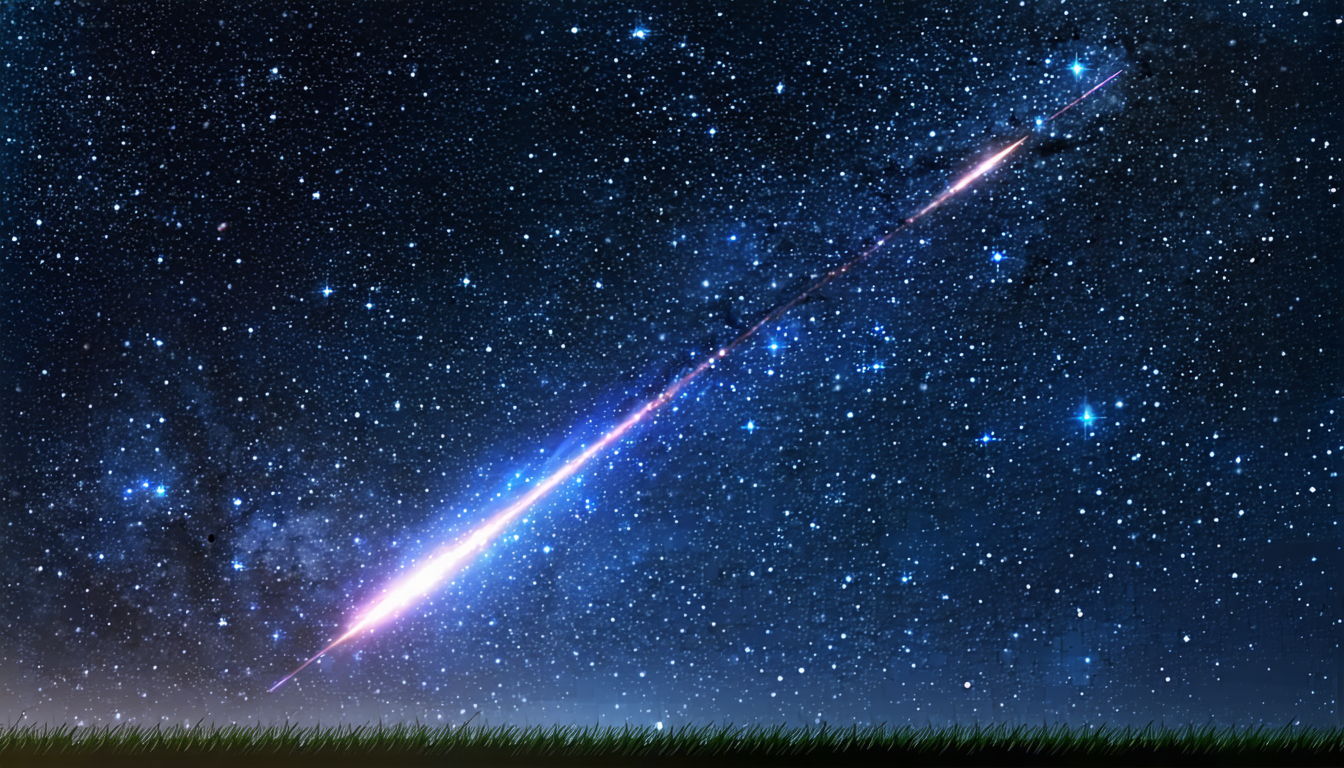
How to View the Orionid Meteor Shower This Weekend
🐦 The Peck
Key Facts
-
●
The Orionid meteor shower peaks on October 21-22, 2023.
CORROBORATED -
●
The Orionid meteor shower is caused by debris from Halley's Comet.
CORROBORATED -
●
Observers can expect to see up to 20 meteors per hour during the peak.
UNVERIFIED -
●
The best time to view the meteor shower is after midnight until dawn.
CORROBORATED -
●
Viewing conditions are best in dark areas away from city lights.
UNVERIFIED
🔍 The Big Picture
The upcoming peak of the Orionid meteor shower on October 21-22, 2023, presents a significant opportunity for both amateur and seasoned skywatchers to observe a celestial event that is not only visually spectacular but also rooted in astronomical history. The Orionids are particularly noteworthy as they originate from the debris trail of Halley's Comet, a comet that has been observed for centuries and is expected to make its next close approach in 2061. This connection to Halley’s Comet underscores the enduring fascination humanity has with comets and their contributions to our understanding of the solar system.
From an observational standpoint, the Orionids offer a relatively accessible experience for the public, with expectations of up to 20 meteors per hour during peak viewing times. These numbers, while not among the highest for meteor showers, are significant enough to attract interest, particularly among families and educational groups. The recommendation to seek dark areas away from urban light pollution highlights an increasing awareness of light pollution's impact on both astronomical observations and human health. This trend aligns with broader environmental discussions about sustainability and the preservation of dark skies, which have gained traction in recent years.
The interest in meteor showers, such as the Orionids, reflects a growing cultural and scientific engagement with astronomy. Events like this can stimulate public interest in science, technology, engineering, and mathematics (STEM) fields, potentially influencing educational and outreach initiatives. Local economies may also benefit from increased tourism as people travel to optimal viewing locations, thereby supporting businesses in rural areas that promote stargazing and outdoor activities.
However, there are competing interpretations regarding the significance of such events. While some view meteor showers as opportunities for scientific engagement and community activities, others may argue that they distract from pressing issues in space science, such as the need for funding in planetary defense or space exploration initiatives. Furthermore, the impact of climate change on atmospheric conditions could affect visibility and the overall experience for observers, highlighting a potential area of concern for future meteor shower events.
In summary, the Orionid meteor shower serves as a reminder of the intersection between natural phenomena and human interest, prompting discussions about educational engagement, environmental sustainability, and the economic implications of astronomical events. As we prepare for this weekend's viewing, it is essential to appreciate both the immediate beauty of the meteor shower and its broader implications for society and science.
👀 What to Watch
- **Peak Viewing Dates**: The Orionid meteor shower is expected to peak on the nights of October 21-22, 2023, making it the best opportunity to observe the meteors.
- **Meteor Shower Duration**: The Orionid meteor shower will continue to be visible until around November 22, 2023, providing additional opportunities for viewing, though with decreasing frequency.
- **Optimal Viewing Times**: For the best viewing experience, observers should plan to watch the meteor shower after midnight until dawn on the peak nights.
- **Local Astronomy Events**: Many local astronomy clubs and observatories may host viewing events or gatherings on the peak nights. Check local listings for specific events in your area.
- **Weather Conditions**: Monitor local weather forecasts leading up to the peak dates, as clear skies will be essential for optimal meteor viewing.
- **Dark Sky Locations**: Research and identify dark sky locations near you that are away from city lights to enhance your viewing experience, especially on the peak nights.
Comments (0)
No comments yet. Be the first to share your thoughts!
This Peckture was researched and generated by Peckture.com based on publicly available information. All claims are marked with their verification status.
Last updated: October 2, 2026 11:02 AM