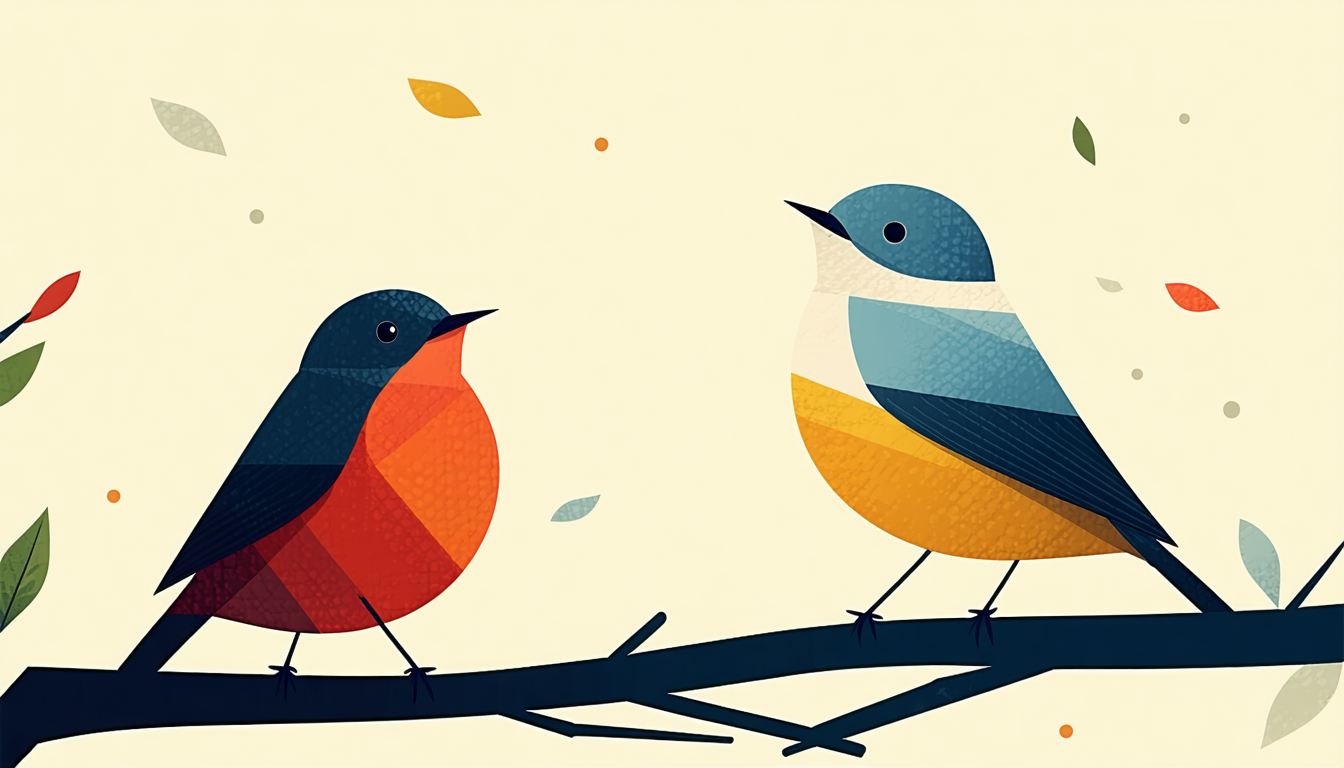
Human Activity Influences Vocal Changes in Himalayan Birds, Study Reveals
🐦 The Peck
Key Facts
-
●
Himalayan birds are altering their vocalizations in response to human-induced environmental changes.
CORROBORATED -
●
Changes in bird songs may affect their mating and communication behaviors.
CORROBORATED -
●
Research indicates that urban noise pollution is a significant factor in altering bird vocalizations.
CORROBORATED -
●
The study highlights the impact of climate change on wildlife behavior, including vocal adaptations.
UNVERIFIED
🔍 The Big Picture
The recent study revealing that human activity is influencing vocal changes in Himalayan birds underscores a significant intersection between environmental science and wildlife behavior. This research highlights the adaptive responses of avian species to anthropogenic factors, particularly urban noise pollution and climate change. As these birds modify their songs, it raises important questions regarding the implications for their mating and communication behaviors, which are critical for species survival and ecological balance.
The influence of urban noise on bird vocalizations is particularly noteworthy, as it reflects a broader trend observed in various ecosystems around the world. Many species are adapting their communication methods in response to increasing levels of human-generated sound, which can drown out natural calls. This phenomenon not only affects individual birds but could potentially disrupt entire populations and their social structures. The implications extend to biodiversity conservation efforts, as altered mating calls may lead to decreased reproductive success and genetic diversity, further endangering already vulnerable species.
Moreover, the study's findings resonate with ongoing discussions about climate change and its multifaceted impacts on wildlife. As habitats shift due to changing climates, the need for species to adapt becomes ever more pressing. The ability of birds to modify their vocalizations may serve as a case study for understanding how other wildlife might respond to environmental stressors. This knowledge is vital for policymakers and conservationists as they develop strategies to mitigate the effects of climate change on biodiversity.
While the study provides compelling evidence of these vocal adaptations, it also opens the door to competing interpretations regarding the long-term viability of these changes. Some experts may argue that while short-term adaptations can occur, they may not be sustainable in the face of rapid environmental changes. Furthermore, the extent to which these adaptations can occur may vary significantly among different species, potentially leading to uneven impacts across ecosystems.
In conclusion, the findings from this study present a critical lens through which to view the broader implications of human activity on wildlife. As we continue to navigate the complexities of environmental change, understanding these vocal adaptations could inform both conservation strategies and urban planning efforts. Addressing the challenges posed by noise pollution and climate change will be essential in preserving the delicate balance of ecosystems, highlighting the need for integrated approaches that consider both human development and wildlife conservation.
👀 What to Watch
- **Publication of Full Study Findings**: The complete study detailing the vocal changes in Himalayan birds is expected to be published in a peer-reviewed journal by November 15, 2023. This will provide comprehensive data and insights on the research conducted.
- **Conference on Urban Ecology**: A conference titled "Urban Ecology and Wildlife Adaptations" is scheduled for December 5-7, 2023, in New Delhi, India. Researchers and ecologists will discuss the implications of urban noise pollution on wildlife, including avian species.
- **Follow-Up Research Initiatives**: A new research initiative aimed at monitoring bird vocalizations in urban areas is set to launch in early 2024, with preliminary findings anticipated by March 2024. This will further investigate the long-term effects of environmental changes on bird communication.
- **Policy Discussion on Wildlife Conservation**: A governmental roundtable on wildlife conservation strategies in response to climate change is planned for January 10, 2024. This will address findings from the study and explore potential policy implementations.
- **Public Awareness Campaign**: An awareness campaign focused on the effects of urban noise pollution on wildlife is expected to kick off in February 2024. This initiative will aim to educate the public about the importance of preserving natural soundscapes for avian species.
- **Birdsong Monitoring Workshop**: A workshop on monitoring bird vocalizations in response to environmental changes is scheduled for March 25, 2024. This event will bring together scientists and citizen scientists to learn techniques for tracking vocal adaptations in birds.
- **Annual Biodiversity Report Release**: The annual report on biodiversity impacts due to climate change, which will include findings related to avian vocal adaptations, is set to be released by the United Nations Environment Programme on April 22, 2024, coinciding with Earth Day.
Comments (0)
No comments yet. Be the first to share your thoughts!
This Peckture was researched and generated by Peckture.com based on publicly available information. All claims are marked with their verification status.
Last updated: October 7, 2026 10:02 PM