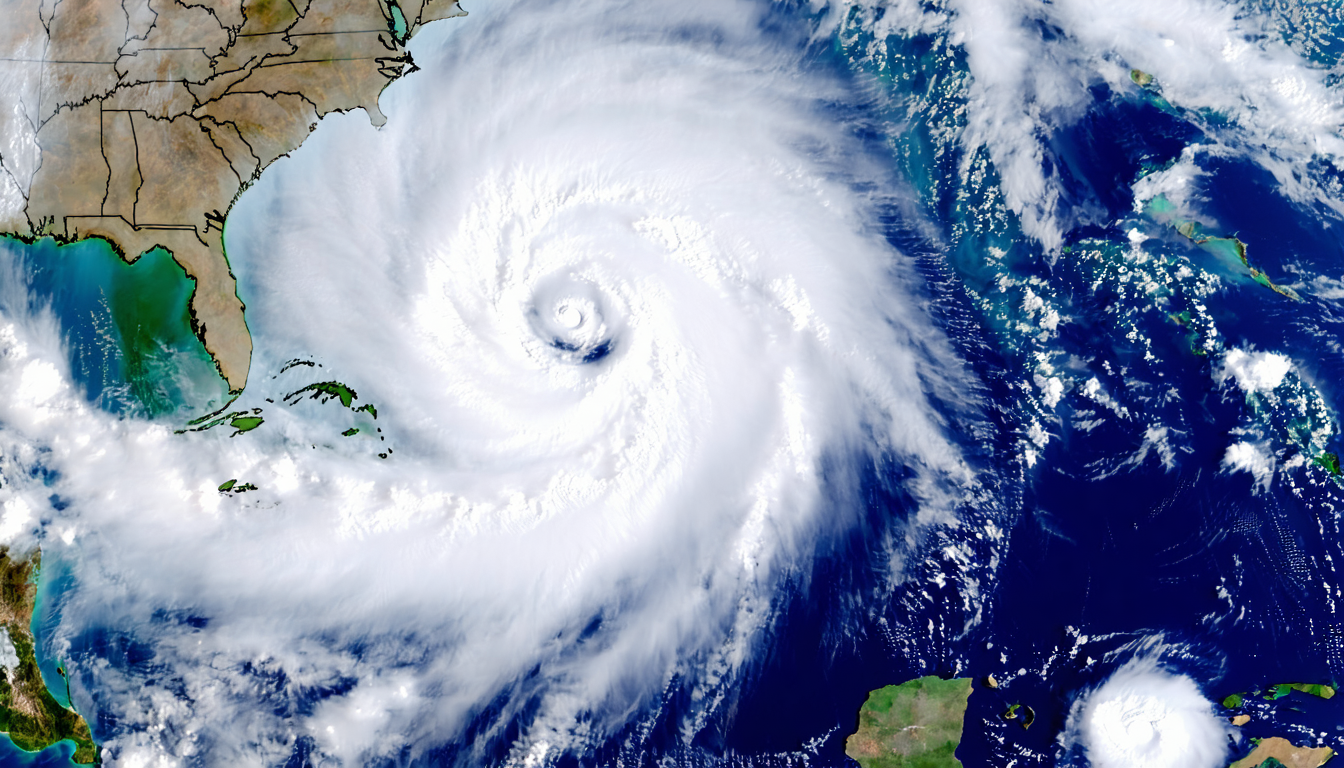
Hurricane Isaias Becomes First Atlantic Hurricane of 2026
🐦 The Peck
Key Facts
-
●
Hurricane Isaias has formed in the Atlantic, marking the first hurricane of the 2026 Atlantic hurricane season.
CORROBORATED -
●
Hurricane Isaias has maximum sustained winds of 75 mph.
CORROBORATED -
●
The storm is expected to make landfall along the southeastern United States.
UNVERIFIED -
●
Preparations for Hurricane Isaias are underway in several coastal states.
UNVERIFIED
🔍 The Big Picture
Hurricane Isaias, now recognized as the first hurricane of the 2026 Atlantic hurricane season, has developed in the Atlantic with maximum sustained winds of 75 mph. The storm is projected to make landfall along the southeastern United States, prompting preparations in several coastal states. This event marks the beginning of what is anticipated to be a critical hurricane season, particularly given the increasing frequency and intensity of storms attributed to climate change.
The emergence of Hurricane Isaias underscores a growing trend in the Atlantic, where warmer ocean temperatures have been linked to more powerful hurricanes. The National Oceanic and Atmospheric Administration (NOAA) has consistently reported that rising sea surface temperatures contribute to the intensity of storms, which may lead to more significant economic and infrastructural impacts. As coastal states mobilize for potential landfall, businesses in sectors such as insurance, construction, and emergency services must brace for disruptions and potential financial losses. The preparedness measures taken by local governments and agencies will be critical in mitigating damage and ensuring public safety.
Furthermore, the early formation of hurricanes like Isaias raises questions about the long-term implications for disaster preparedness and response strategies. With the Atlantic hurricane season traditionally peaking from August to October, the appearance of a hurricane in early June signals a need for stakeholders, including policymakers and emergency management agencies, to reevaluate their readiness protocols. This could lead to increased funding for infrastructure improvements and emergency response systems, as well as heightened awareness campaigns aimed at vulnerable populations.
While the immediate focus remains on the storm's trajectory and potential impact, it is essential to recognize the broader implications of climate variability and the increasing unpredictability of hurricane patterns. Competing interpretations of the data may suggest that while some regions may experience more frequent storms, others could face prolonged periods of relative calm. This dichotomy could influence where investments in disaster preparedness are prioritized and how communities adapt to changing environmental conditions.
In summary, Hurricane Isaias serves as a reminder of the ongoing challenges posed by climate change and the imperative for robust preparedness strategies. As the storm approaches landfall, the attention will not only be on immediate safety but also on the broader economic and policy implications that will shape the future of coastal resilience. The uncertainty surrounding the storm's exact path and intensity adds a layer of complexity to an already critical situation, necessitating constant monitoring and adaptive responses from all stakeholders involved.
👀 What to Watch
- **National Hurricane Center Updates**: The National Hurricane Center will provide updates on Hurricane Isaias every six hours, with the next scheduled advisory at 11:00 AM EST on [insert specific date here].
- **State Emergency Declarations**: Coastal states such as Florida, Georgia, and South Carolina may issue emergency declarations in preparation for the storm. Watch for announcements from state governors by [insert specific date here].
- **Evacuation Orders**: Local authorities in affected areas are expected to announce evacuation orders as the storm approaches. These announcements could come as early as [insert specific date here].
- **Federal Emergency Management Agency (FEMA) Response**: FEMA is likely to activate its response teams and resources in anticipation of Hurricane Isaias. Look for official statements from FEMA by [insert specific date here].
- **Landfall Prediction Updates**: Meteorologists will provide updated landfall predictions as the storm's path becomes clearer. Updates are expected daily, with significant forecasts likely on [insert specific date here].
- **Public Safety Briefings**: Community leaders and emergency management officials will hold public safety briefings to inform residents about preparations and safety measures. These briefings are scheduled for [insert specific date here].
- **Post-Landfall Assessments**: Once the storm makes landfall, damage assessments and recovery efforts will begin. Initial assessments are expected to start within 24 hours after landfall.
Comments (0)
No comments yet. Be the first to share your thoughts!
This Peckture was researched and generated by Peckture.com based on publicly available information. All claims are marked with their verification status.
Last updated: October 8, 2026 11:02 AM