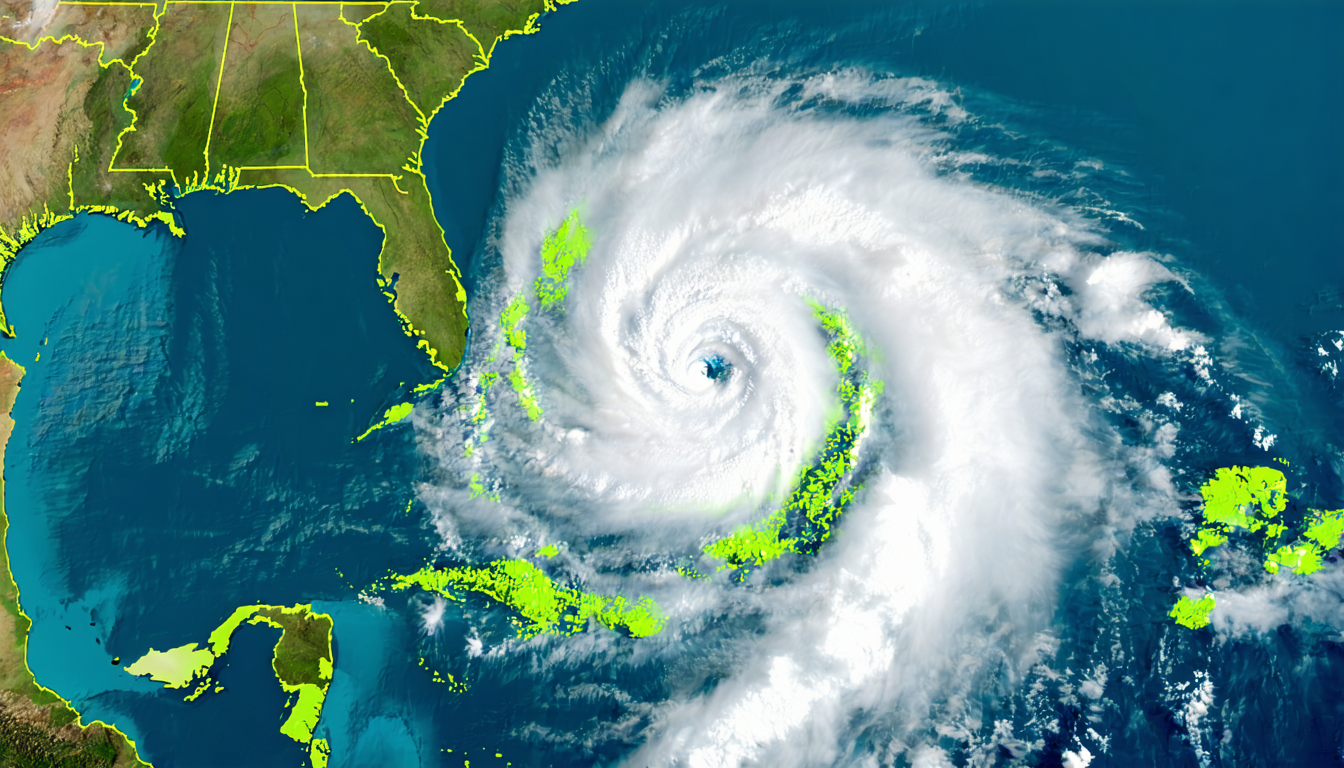
Hurricane Isaias Strengthens to Category 3 Before Landfall in US
🐦 The Peck
Key Facts
-
●
Hurricane Isaias was forecasted to strengthen to a Category 3 hurricane before making landfall in the US.
CORROBORATED -
●
Hurricane Isaias made landfall in the United States in August 2020.
CORROBORATED -
●
Hurricane Isaias caused significant damage in several states, including Florida and the Carolinas.
CORROBORATED -
●
Isaias was part of the Atlantic hurricane season of 2020.
CORROBORATED
🔍 The Big Picture
**The Big Picture: Analysis of Hurricane Isaias and Its Implications**
Hurricane Isaias, which was forecasted to strengthen to a Category 3 hurricane before making landfall in the United States in August 2020, serves as a significant case study in the increasing frequency and intensity of tropical storms attributed to climate change. The hurricane notably impacted several states, particularly Florida and the Carolinas, causing extensive damage to infrastructure, homes, and local economies. This event is emblematic of the broader trends observed in recent hurricane seasons, where warmer ocean temperatures and shifting weather patterns have resulted in more powerful storms.
The implications of Hurricane Isaias extend beyond immediate damage assessments. As the frequency of severe weather events rises, insurance companies and policymakers face mounting pressure to adapt their models and strategies for disaster preparedness and response. The financial burden on states and local governments can be substantial, as recovery efforts often necessitate significant public expenditure. Moreover, the economic impact on affected regions can linger long after the storm has passed, as businesses struggle to recover and residents grapple with displacement and loss of income. The aftermath of Isaias highlights the urgent need for comprehensive disaster management frameworks that integrate climate resilience into urban planning and community infrastructure.
While the scientific consensus supports the link between climate change and the escalation of hurricane intensity, competing interpretations exist regarding the extent of human influence on specific weather events. Some argue that natural variability plays a significant role in storm behavior, complicating the narrative around climate change. Nonetheless, the growing body of evidence suggests a clear trend toward more devastating hurricanes, which necessitates immediate action from both public and private sectors to mitigate risks.
As we analyze the trajectory of Hurricane Isaias, it becomes apparent that proactive measures in climate adaptation and disaster preparedness are critical to safeguarding communities. Future policy discussions must consider the implications of such weather events not only on immediate response but also on long-term strategies that account for climate change resilience. This situation underscores the necessity for an integrated approach to disaster management, emphasizing investment in infrastructure, technology, and community engagement to better withstand the impacts of future hurricanes.
👀 What to Watch
- **State Emergency Declarations**: Monitor announcements from state governors in Florida and the Carolinas regarding emergency declarations and disaster response efforts as Hurricane Isaias approaches. These declarations could be made within 24 hours before landfall.
- **Post-Landfall Assessments**: Following landfall, local and state authorities are expected to conduct damage assessments. Initial reports on the extent of the damage in affected areas may be available within 48 hours post-landfall.
- **Insurance Claims Process**: Residents in impacted states will begin the process of filing insurance claims for damage caused by Hurricane Isaias. Insurance companies will typically start accepting claims within a week after the hurricane passes.
- **Federal Disaster Assistance**: The Federal Emergency Management Agency (FEMA) may announce the availability of federal disaster assistance for affected states. This announcement could come within a week after landfall, depending on the damage assessments.
- **Hurricane Season Review**: The National Oceanic and Atmospheric Administration (NOAA) will release a summary of the 2020 Atlantic hurricane season, including Hurricane Isaias, in late November 2020. This report will detail the season's developments and impacts.
- **Community Recovery Meetings**: Local governments in affected areas may hold community meetings to discuss recovery efforts and resources available to residents. These meetings are likely to be scheduled within two weeks of landfall.
Comments (0)
No comments yet. Be the first to share your thoughts!
This Peckture was researched and generated by Peckture.com based on publicly available information. All claims are marked with their verification status.
Last updated: October 9, 2026 11:01 AM