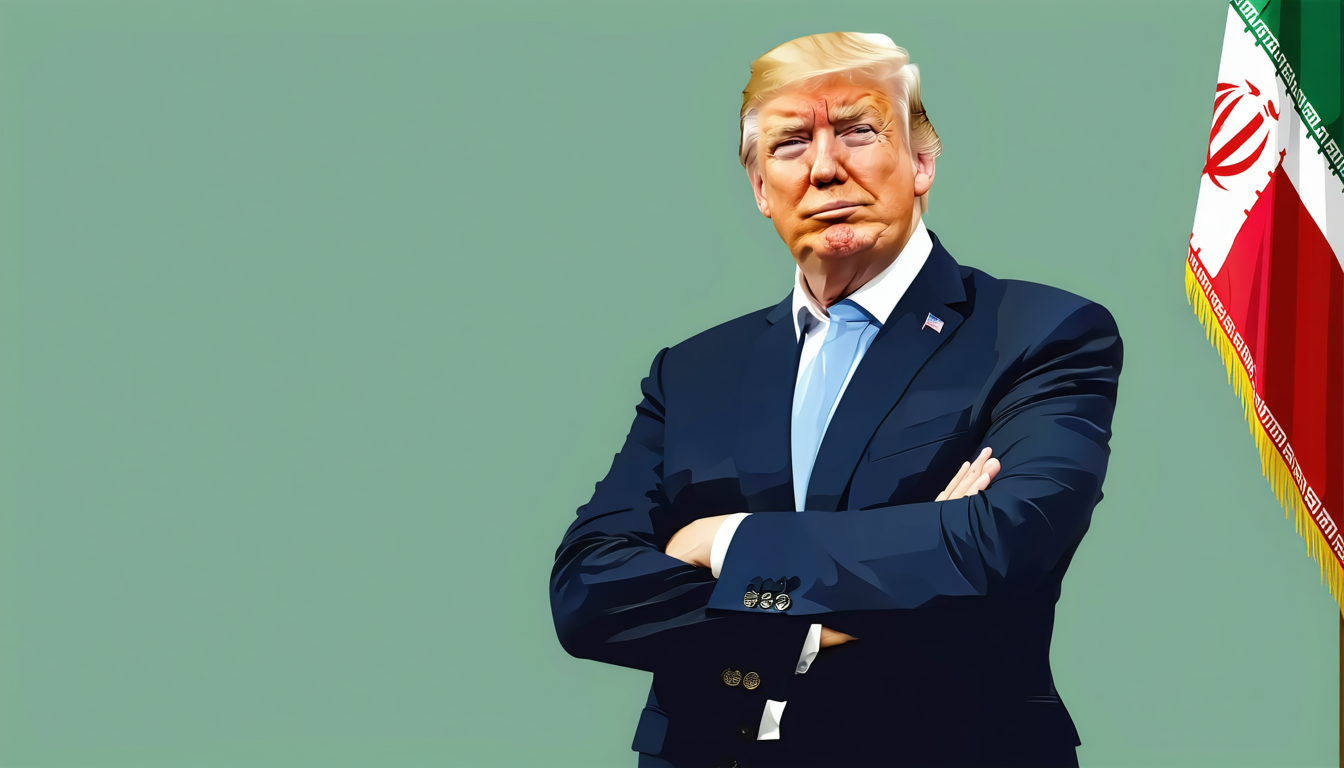
Iranian Minister Emphasizes Negotiation as Key to Resolving Conflict Following Trump's Rejection of Hormuz Deal
🐦 The Peck
Key Facts
-
●
Iranian officials have stated that negotiation is the only viable solution to end ongoing conflicts in the region.
CORROBORATED -
●
Former President Donald Trump rejected a proposed deal regarding the Strait of Hormuz.
CORROBORATED -
●
The Strait of Hormuz is a critical waterway for global oil shipments, with a significant percentage of the world's oil passing through it.
CORROBORATED -
●
Tensions in the region have escalated due to military activities and sanctions imposed by the U.S. on Iran.
CORROBORATED
🔍 The Big Picture
The recent statements from Iranian officials emphasizing negotiation as the sole pathway to resolving ongoing conflicts in the region come in the wake of former President Donald Trump's rejection of a proposed deal concerning the Strait of Hormuz. This waterway is not only pivotal for Iran but also for the global economy, as it serves as a transit point for approximately 20% of the world’s oil supply. The rejection of the deal signals a continuation of heightened tensions, which have been exacerbated by U.S. sanctions on Iran and military posturing in the area.
The importance of the Strait of Hormuz cannot be overstated; disruptions in this critical shipping lane can lead to significant fluctuations in global oil prices, impacting energy markets worldwide. The call for negotiation from Tehran reflects an awareness of the precarious balance of power in the region and the potential economic fallout of ongoing hostilities. As Iran faces increasing isolation due to U.S. sanctions, its leadership is likely seeking avenues to de-escalate tensions and stabilize its economy, which has been adversely affected by these measures.
The broader implications of these developments suggest a complex interplay between diplomacy and military strategy in the Middle East. The U.S. has maintained a position of deterrence against Iran, viewing its military activities and regional influence as threats to stability. However, the Iranian government’s insistence on negotiation could indicate a shift in its approach, possibly seeking to engage with other international players to mediate tensions, especially as global energy demands fluctuate.
Competing interpretations of this situation emerge from differing perspectives on U.S. foreign policy and Iran's regional ambitions. Some analysts argue that the U.S. should engage in dialogue to avoid military escalation, while others contend that negotiations could embolden Iran's assertiveness in the region. Uncertainty remains regarding how both nations will navigate this landscape, particularly in light of upcoming U.S. elections and shifting geopolitical alliances.
In conclusion, while the call for negotiation by Iranian officials presents a potential opportunity for dialogue, the rejection of the Hormuz deal by Trump underscores the complexities of U.S.-Iran relations. The economic stakes are high, and the outcome of these tensions will likely have far-reaching implications for global oil markets and regional stability in the Middle East. As stakeholders on both sides weigh their options, the need for a balanced approach to diplomacy and security remains critical.
👀 What to Watch
- **U.N. Security Council Meeting on Middle East Stability**
Date: **November 15, 2023**
The United Nations Security Council is scheduled to discuss the ongoing tensions in the Middle East, including the situation in the Strait of Hormuz and U.S.-Iran relations.
- **Iran's Response to U.S. Sanctions**
Date: **November 20, 2023**
Iranian officials are expected to announce new measures in response to U.S. sanctions, which may further impact regional stability and negotiations.
- **Upcoming Negotiation Talks**
Date: **December 1-3, 2023**
A series of diplomatic talks involving Iran, the U.S., and other regional stakeholders are set to take place in Vienna, aimed at discussing potential pathways to de-escalation.
- **International Oil Market Analysis Report**
Date: **December 10, 2023**
The International Energy Agency (IEA) will release its quarterly report, which will analyze the impact of geopolitical tensions in the Strait of Hormuz on global oil prices.
- **U.S. Military Exercises in the Persian Gulf**
Date: **Ongoing through December 2023**
The U.S. military is conducting joint exercises with allied forces in the Persian Gulf, which may influence Iranian military responses and negotiations.
- **Iran's Nuclear Program Developments**
Date: **January 15, 2024**
The International Atomic Energy Agency (IAEA) is expected to release its next report on Iran's nuclear activities, which could affect international negotiations and relations with the U.S. and allies.
- **Potential Congressional Hearing on U.S. Foreign Policy**
Date: **January 25, 2024**
The House Foreign Affairs Committee may hold a hearing to discuss U.S. foreign policy in the Middle East, including the implications of Trump's rejection of the Hormuz deal and ongoing negotiations with Iran.
Comments (0)
No comments yet. Be the first to share your thoughts!
This Peckture was researched and generated by Peckture.com based on publicly available information. All claims are marked with their verification status.
Last updated: September 27, 2026 11:00 AM