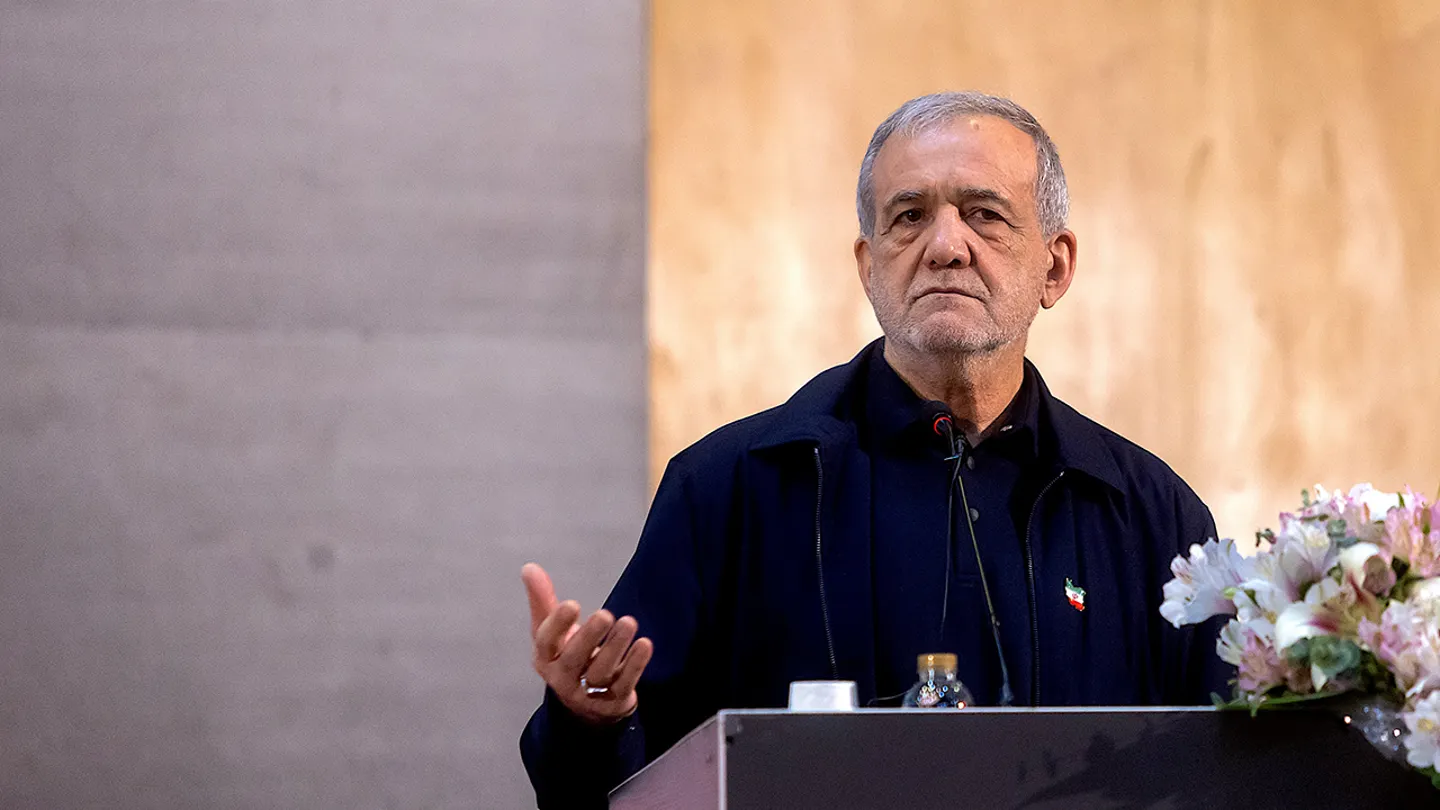
Iran's President Denies Intent to Harm Trump Amid Rising Tensions
🐦 The Peck
Key Facts
-
●
Iran's President Ebrahim Raisi stated that Iran is not attempting to kill former President Donald Trump.
CORROBORATED -
●
Raisi's comments came in response to accusations regarding threats against Trump following the U.S. killing of Iranian General Qassem Soleimani in 2020.
CORROBORATED -
●
Tensions between the U.S. and Iran have escalated since the assassination of Soleimani.
CORROBORATED
🔍 The Big Picture
**The Big Picture: Analysis of Iran's President Raisi's Denial of Intent to Harm Trump Amid Rising Tensions** Iran's President Ebrahim Raisi's recent denial of any intent to harm former President Donald Trump is a significant statement in the context of ongoing tensions between the United States and Iran. This denial comes in the wake of longstanding accusations that Iran has sought revenge for the assassination of General Qassem Soleimani by U.S. forces in January 2020. Raisi's assertion aims to quell fears and potentially mitigate the escalation of hostilities that have characterized U.S.-Iran relations since Soleimani's death, a pivotal moment that has shaped regional dynamics and U.S. foreign policy. The implications of Raisi's comments are multifaceted.
On one hand, they could be interpreted as an attempt by Iran to signal a desire for de-escalation and a willingness to engage in dialogue, especially in light of the ongoing discussions around Iran's nuclear program and its economic struggles exacerbated by U.S. sanctions. However, Raisi's denial also comes amid a backdrop of heightened military posturing and rhetoric from both sides, suggesting that while Iran may not be pursuing direct actions against Trump, the broader atmosphere remains charged with potential for conflict. This situation reflects the complexity of diplomatic relations, where statements can serve multiple purposes, including domestic political signaling and international posturing. Additionally, the context of these tensions is critical.
The killing of Soleimani not only intensified U.S.-Iran animosity but also galvanized various factions within Iran, contributing to a narrative of martyrdom and resistance against perceived U.S. aggression. Raisi's comments may also be aimed at appeasing hardline elements within Iran who view the U.S. as a primary adversary. This balancing act is crucial as Iran navigates its internal politics while managing its international image, particularly in light of the economic pressures stemming from sanctions and the ongoing negotiations surrounding the Joint Comprehensive Plan of Action (JCPOA). Competing interpretations of Raisi's denial highlight the uncertainties surrounding U.S.-Iran relations.
While some analysts may view this as a potential opening for diplomatic engagement, others argue that it reflects a strategic ambiguity where Iran seeks to maintain leverage while avoiding direct confrontation. The lack of clarity in intentions can complicate policy responses from the U.S. and its allies, who must weigh the risks of military engagement against the potential benefits of renewed negotiations. Overall, Raisi's statements underscore the precarious nature of the current geopolitical landscape, where the stakes remain high for both regional stability and international security.
👀 What to Watch
- **U.S. Congressional Hearing on Iran Policy**
Date: October 25, 2023
A congressional hearing will take place to discuss U.S. policy towards Iran, including the implications of Raisi's comments and ongoing tensions following Soleimani's assassination.
- **Iran's Response to Sanctions Review**
Date: November 1, 2023
The Iranian government is expected to release a statement regarding its position on U.S. sanctions, which may include responses to recent accusations and Raisi's denial of intent to harm Trump.
- **U.N. Security Council Meeting**
Date: November 15, 2023
A scheduled meeting of the U.N. Security Council will address escalating tensions in the Middle East, with a focus on U.S.-Iran relations and the implications of Raisi's comments.
- **Iran's Annual Military Parade**
Date: November 22, 2023
Iran will hold its annual military parade, which may feature displays of military capabilities and rhetoric that could further impact U.S.-Iran relations.
- **Potential Diplomatic Talks**
Date: December 5, 2023
Reports suggest that diplomatic channels may reopen for discussions on nuclear negotiations, which could include addressing security concerns related to threats against political figures.
- **U.S. Presidential Election Campaign Developments**
Date: Ongoing through November 2024
As the U.S. presidential election approaches, keep an eye on how candidates address Iran and its threats, particularly in light of Raisi's statements and the broader geopolitical context.
Comments (0)
No comments yet. Be the first to share your thoughts!
This Peckture was researched and generated by Peckture.com based on publicly available information. All claims are marked with their verification status.
Last updated: September 25, 2026 6:24 AM