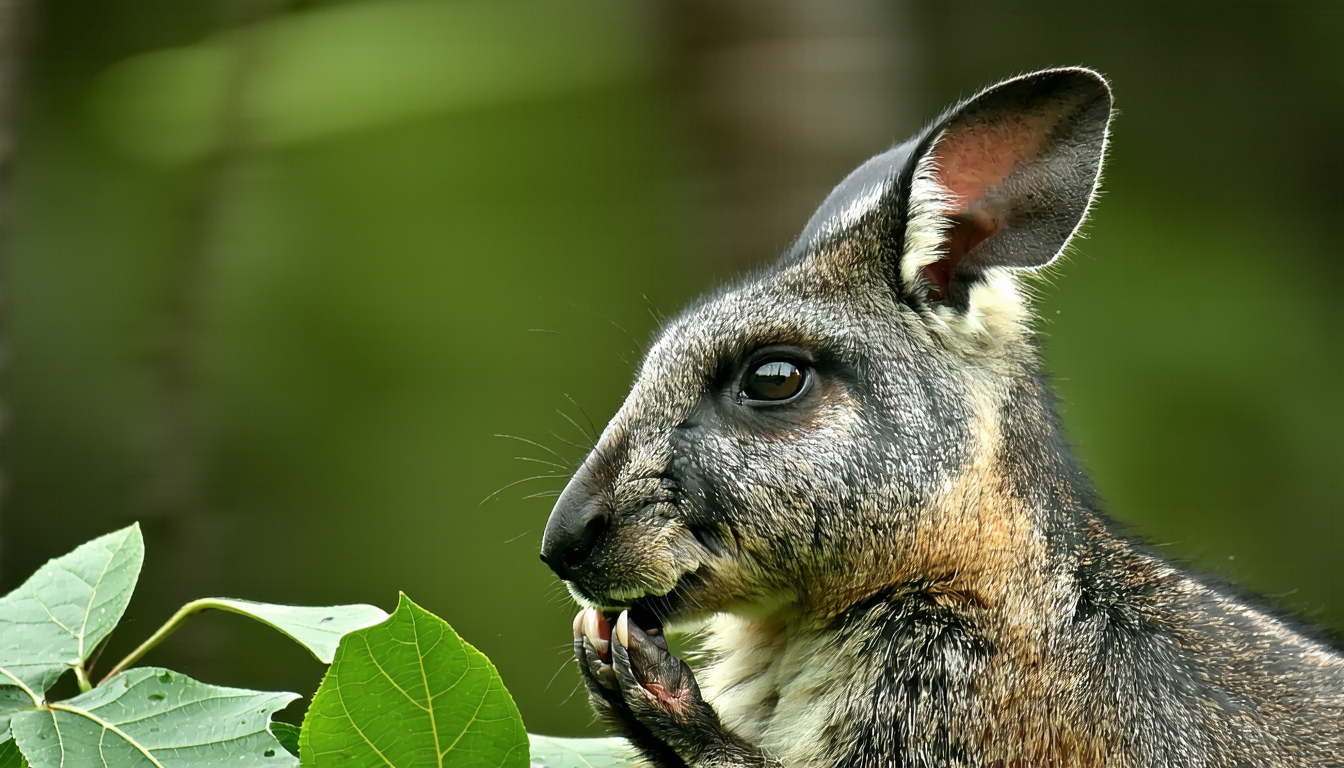
Local Wildlife Sanctuary Faces Relocation Due to Neighbor Complaints
🐦 The Peck
Key Facts
-
●
A wildlife sanctuary housing wallabies, porcupines, and parrots is facing pressure to relocate after complaints from neighbors.
CORROBORATED -
●
Neighbors have expressed concerns about noise and potential safety issues related to the sanctuary's animals.
CORROBORATED -
●
The sanctuary has been operating for several years and has become a local attraction.
UNVERIFIED
🔍 The Big Picture
The recent pressure on a local wildlife sanctuary to relocate due to neighbor complaints highlights a complex interaction between community interests, wildlife conservation, and the challenges of urban encroachment. The sanctuary, which houses wallabies, porcupines, and parrots, has become a local attraction over the years, suggesting a level of community support and appreciation for wildlife education and conservation efforts. However, the concerns raised by nearby residents about noise and safety underscore a growing tension in many communities where human and animal habitats intersect.
This situation is emblematic of a broader trend where urbanization and development increasingly encroach upon natural habitats and conservation areas. As cities expand, wildlife sanctuaries and similar organizations often find themselves at odds with local residents who may prioritize quiet neighborhoods and safety over wildlife preservation. The sanctuary's existence contributes to biodiversity and offers educational opportunities, but its location may no longer be sustainable amidst changing community dynamics and expectations. This raises important questions about the future of wildlife sanctuaries in urban areas and the need for effective zoning and land-use policies that balance human and environmental needs.
The implications of this case extend beyond the immediate concerns of the sanctuary and its neighbors. If the sanctuary is forced to relocate, it could lead to financial strain, as moving costs and potential loss of patrons may threaten its operational viability. Additionally, this scenario may deter future wildlife conservation initiatives in similar contexts, as potential operators weigh the risks of community opposition against the benefits of contributing to biodiversity and public education. On the other hand, if the sanctuary remains, it may need to invest in soundproofing or other measures to alleviate neighbor concerns, which could divert funds from its core mission of animal care and conservation.
Competing interpretations of this scenario also emerge. Supporters of the sanctuary may argue that the benefits of wildlife conservation and education far outweigh the complaints of a few residents, while critics may contend that the sanctuary's presence poses real risks to community well-being. This divergence points to the need for dialogue and potential mediation between the sanctuary's operators and the community to find a mutually beneficial resolution. As such, this case serves as a microcosm of the ongoing debate over land use, community rights, and the value of wildlife conservation in the face of urban development pressures.
In conclusion, the future of the wildlife sanctuary will likely hinge on community engagement, regulatory frameworks, and the ability to balance competing interests. The outcome of this situation may set a precedent for similar establishments and influence how communities navigate the coexistence of urban living and wildlife preservation in the years to come.
👀 What to Watch
- **Community Meeting**: A public meeting is scheduled for November 15, 2023, at 6 PM at the local community center, where residents can voice their concerns and discuss the future of the sanctuary with local officials.
- **Sanctuary Response Deadline**: The wildlife sanctuary has until November 30, 2023, to submit a formal response to the complaints filed by neighbors, detailing their plans to address the issues raised.
- **Zoning Board Hearing**: A hearing with the local zoning board is set for December 10, 2023, at 5 PM, where the sanctuary's operational status will be reviewed in light of the complaints.
- **Animal Welfare Inspection**: An inspection by animal welfare officials is scheduled for December 15, 2023, to assess the sanctuary's conditions and compliance with local regulations.
- **Local Government Decision**: A decision from the local government regarding the sanctuary's potential relocation is expected by January 15, 2024, following the completion of community consultations and inspections.
- **Fundraising Event**: The sanctuary is organizing a fundraising event on January 20, 2024, to gather community support and funds for potential relocation or improvements to mitigate neighbor concerns.
Comments (0)
No comments yet. Be the first to share your thoughts!
This Peckture was researched and generated by Peckture.com based on publicly available information. All claims are marked with their verification status.
Last updated: October 9, 2026 5:01 PM