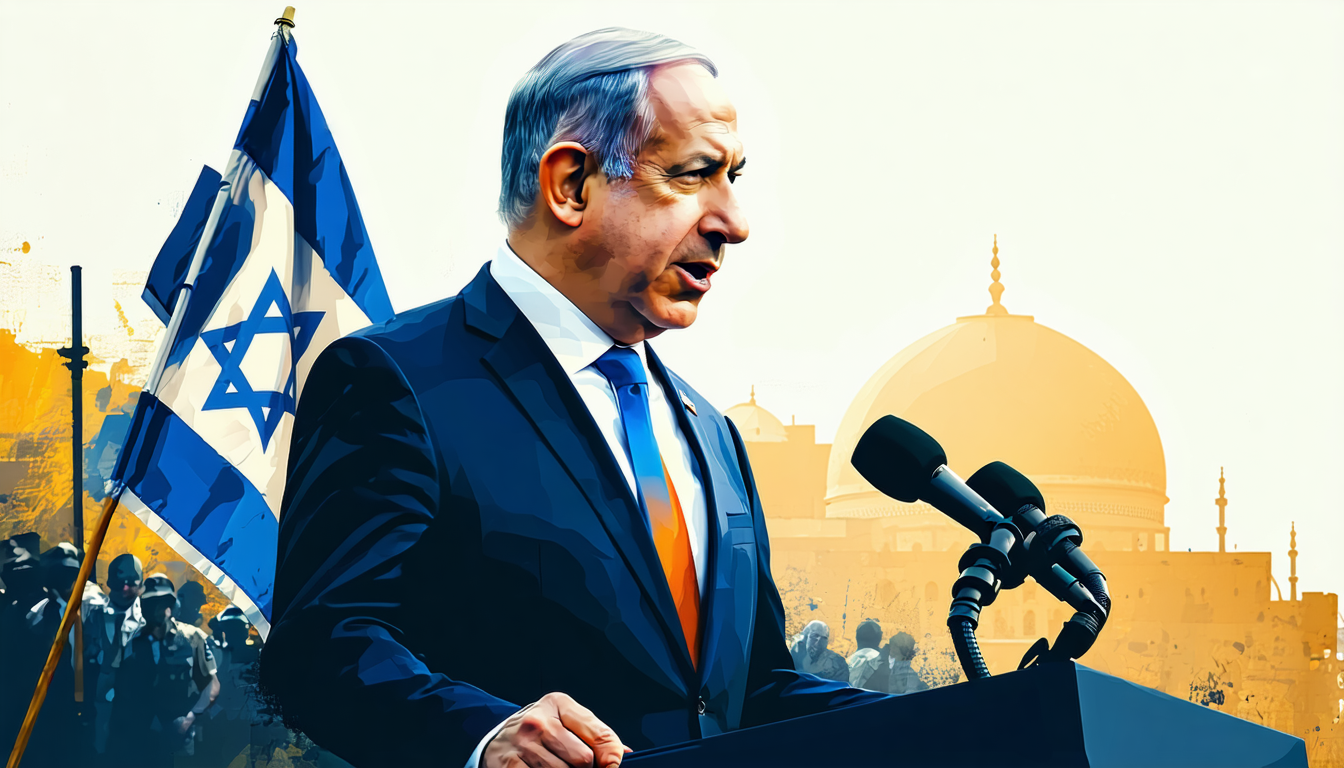
Netanyahu Defends Israeli Military Actions Amid UN Speech Controversy
🐦 The Peck
Key Facts
-
●
Israeli Prime Minister Benjamin Netanyahu defended military actions in Gaza during a speech at the United Nations.
CORROBORATED -
●
Delegates from several countries walked out during Netanyahu's speech at the UN.
CORROBORATED -
●
The speech occurred amidst ongoing tensions and military operations in Gaza.
CORROBORATED -
●
Netanyahu's speech included justifications for Israel's military actions as necessary for national security.
UNVERIFIED
🔍 The Big Picture
**The Big Picture: Netanyahu Defends Israeli Military Actions Amid UN Speech Controversy**
Israeli Prime Minister Benjamin Netanyahu's recent speech at the United Nations, where he defended military operations in Gaza, comes at a time of heightened geopolitical tensions and humanitarian crises in the region. His remarks, which emphasized national security as a justification for military actions, reflect Israel's ongoing strategy of asserting its right to self-defense amidst persistent threats, particularly from Hamas. This context is crucial as it highlights the Israeli government's focus on military preparedness and its narrative that frames military operations as essential for the protection of its citizens.
The walkout by delegates from several countries during Netanyahu's speech underscores the growing international divide regarding Israel's military actions and the broader Israeli-Palestinian conflict. Such diplomatic gestures signal a significant level of discontent and dissent among nations, particularly those sympathetic to Palestinian rights and the humanitarian situation in Gaza. The implications of these reactions are profound, as they may influence future diplomatic relations and negotiations. Countries that walked out could be leaning towards a more critical stance against Israel, potentially affecting aid, trade relations, and future resolutions in international forums.
Netanyahu's speech and the reactions it garnered can be seen as part of a larger trend in international relations where national security concerns are increasingly juxtaposed against humanitarian imperatives. This dynamic raises questions about the balance between military action and the ethical responsibilities of states in conflict zones. The international community is faced with the challenge of navigating these complex issues, as evidenced by the varying interpretations of Israel's right to defend itself versus the humanitarian costs of its military operations.
Looking ahead, the ongoing conflict and the international response may have material implications for Israel's economic and military aid, particularly from Western allies. The United States, a key ally, may face pressure to reassess its support based on the humanitarian situation in Gaza and the reactions from the global community. Additionally, the backlash against Israel's military actions could lead to increased calls for accountability and a reevaluation of policies surrounding the Israeli-Palestinian conflict.
In conclusion, Netanyahu's defense of military actions at the UN not only reflects Israel's current security posture but also highlights the intricate web of international diplomacy, humanitarian concerns, and national interests. The implications of this speech extend beyond immediate military strategies, potentially influencing long-term geopolitical alignments and the future of peace negotiations in the region.
👀 What to Watch
- **UN General Assembly Debate** (October 23-26, 2023): The ongoing debate at the UN General Assembly may feature discussions on Israel's military actions, with potential resolutions or statements from member states addressing the situation in Gaza.
- **Israeli Knesset Session** (October 30, 2023): The Knesset is scheduled to hold a session where military actions and national security policies may be debated, providing insight into domestic support for Netanyahu's strategies.
- **International Responses** (Ongoing): Several countries, including those that walked out during Netanyahu's speech, are expected to issue formal responses or statements regarding Israel's military operations, particularly as humanitarian concerns grow in Gaza.
- **Human Rights Reports** (November 2023): Various human rights organizations are expected to release reports assessing the impact of Israeli military actions in Gaza, which may influence international public opinion and diplomatic discussions.
- **Netanyahu's Upcoming Press Conference** (November 1, 2023): Prime Minister Netanyahu is scheduled to hold a press conference where he may elaborate on his UN speech and provide further justification for military actions, potentially addressing international criticisms.
- **UN Security Council Meeting** (November 2, 2023): A scheduled meeting may address the ongoing conflict in Gaza, with discussions likely focused on international law, humanitarian access, and potential resolutions regarding the situation.
- **Regional Diplomatic Talks** (Mid-November 2023): Diplomatic discussions involving key regional players may take place, focusing on de-escalation efforts and strategies for addressing the humanitarian crisis in Gaza.
Comments (0)
No comments yet. Be the first to share your thoughts!
This Peckture was researched and generated by Peckture.com based on publicly available information. All claims are marked with their verification status.
Last updated: September 24, 2026 10:00 PM