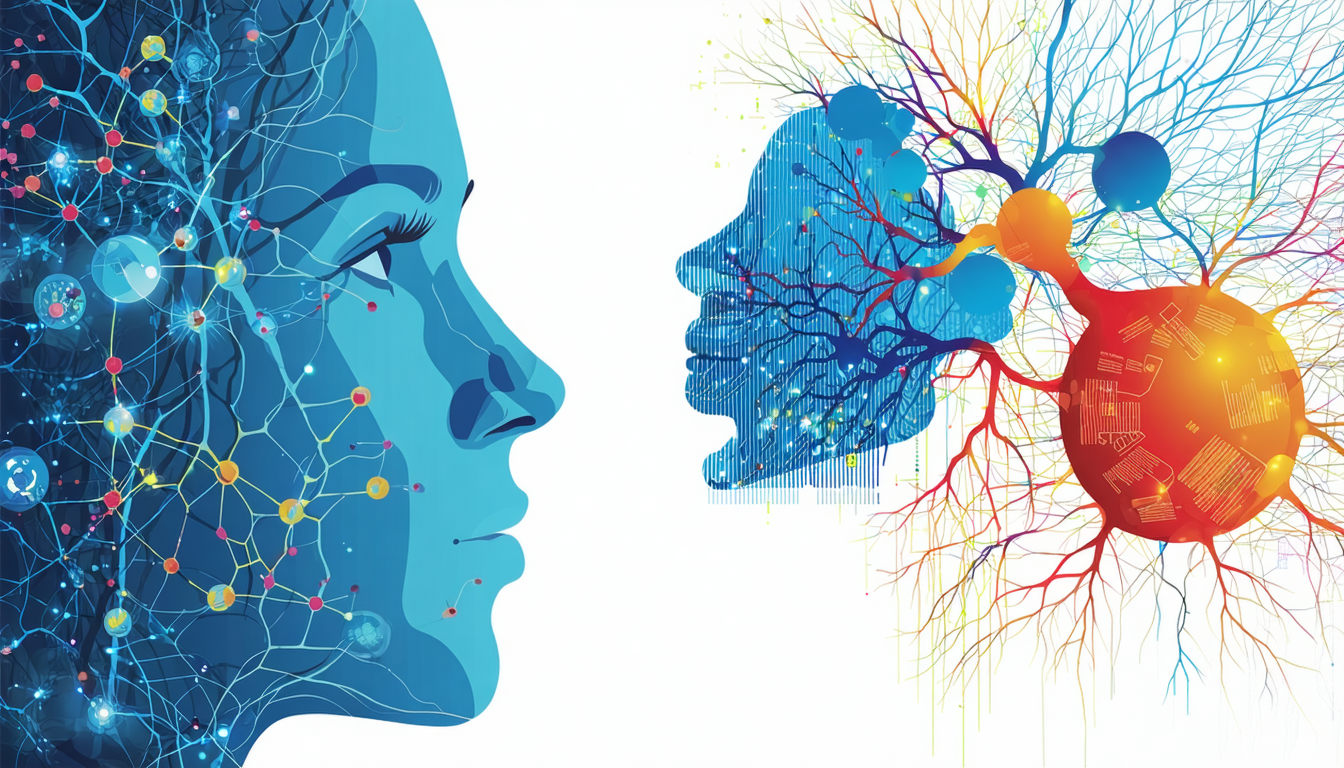
Nobel Prize in Physiology or Medicine Awarded for Research on Nerve Cells and Emotions
🐦 The Peck
Key Facts
-
●
The Nobel Prize in Physiology or Medicine was awarded for research demonstrating how nerve cells influence emotions.
CORROBORATED -
●
The research focuses on the mechanisms by which nerve cells communicate and shape emotional responses.
CORROBORATED -
●
The Nobel Prize in Physiology or Medicine is awarded annually and recognizes significant contributions to the field of medicine.
CORROBORATED -
●
The award highlights the importance of understanding the biological basis of emotions.
UNVERIFIED
🔍 The Big Picture
The recent awarding of the Nobel Prize in Physiology or Medicine for groundbreaking research on how nerve cells influence emotions marks a significant advancement in our understanding of the neurobiological underpinnings of emotional responses. This recognition underscores the intricate relationship between the nervous system and emotional health, a topic that has garnered increasing attention in both scientific and clinical settings. By elucidating the mechanisms through which nerve cells communicate, the research not only advances basic scientific knowledge but also opens new avenues for therapeutic interventions in mental health disorders.
The implications of this research are profound, particularly in the context of rising global mental health challenges, including anxiety, depression, and stress-related disorders. As mental health issues become increasingly prevalent, understanding the biological basis of emotions could lead to more effective treatments and preventive strategies. For instance, pharmaceuticals targeting specific neural pathways could be developed, potentially enhancing the efficacy of existing treatments. Additionally, insights from this research may inform behavioral therapies and lifestyle interventions aimed at emotional regulation, thereby contributing to a holistic approach to mental health care.
Broader trends in healthcare indicate a growing emphasis on personalized medicine and the integration of neuroscience into psychiatric practice. As research continues to reveal the complex interplay between biological, psychological, and social factors in mental health, stakeholders—including healthcare providers, policymakers, and researchers—are likely to prioritize investments in neuroscientific research and mental health initiatives. This trend could catalyze the development of innovative technologies, such as neurofeedback and brain-computer interfaces, which harness our understanding of nerve cell functions to enhance emotional well-being.
However, it is essential to approach these developments with a balanced perspective. While the potential for new treatments and understanding is exciting, there remains uncertainty regarding the full spectrum of emotional experiences and their biological correlates. Emotions are influenced by a myriad of factors beyond biology, including environmental contexts and individual experiences. As such, competing interpretations may arise regarding the extent to which biological mechanisms can fully account for emotional responses. This complexity necessitates a cautious and nuanced approach to applying these findings in clinical practice.
In summary, the Nobel Prize awarded for research on nerve cells and emotions not only highlights a significant scientific achievement but also reflects broader movements towards understanding the biological bases of mental health. The potential for practical applications in treatment and prevention is substantial, yet it is critical to remain mindful of the multifaceted nature of emotions as we move forward in this evolving field. The intersection of neuroscience and mental health will likely shape future policies and financial investments in healthcare, emphasizing the need for an integrated approach to emotional well-being.
👀 What to Watch
- **Nobel Prize Ceremony**: The Nobel Prize in Physiology or Medicine will be officially awarded during the Nobel Prize ceremony on December 10, 2023, in Stockholm, Sweden, where the laureates will present their research findings.
- **Press Conferences by Laureates**: Following the award announcement, the laureates are expected to hold press conferences in early December 2023 to discuss their research and its implications for understanding emotions.
- **Publication of Research Findings**: Look for the publication of detailed research findings in scientific journals, which typically occurs shortly after the Nobel announcement; this is expected by late December 2023.
- **Public Lectures and Discussions**: Various academic institutions may host public lectures or discussions featuring the Nobel laureates in early 2024, providing insights into their research and its impact on the field of neuroscience.
- **Related Conferences**: The Society for Neuroscience Annual Meeting is scheduled for November 11-15, 2023, where discussions on nerve cells and emotional responses may arise, reflecting on the recent Nobel Prize award.
- **Media Coverage and Analysis**: Expect extensive media coverage and analysis of the awarded research in major scientific and medical publications throughout December 2023 and January 2024, focusing on its implications for mental health and emotional well-being.
- **Follow-Up Research Grants**: Watch for announcements regarding new research grants or funding initiatives aimed at exploring the biological basis of emotions, which may be influenced by the heightened interest following the Nobel Prize announcement in early 2024.
Comments (0)
No comments yet. Be the first to share your thoughts!
This Peckture was researched and generated by Peckture.com based on publicly available information. All claims are marked with their verification status.
Last updated: October 5, 2026 11:01 AM