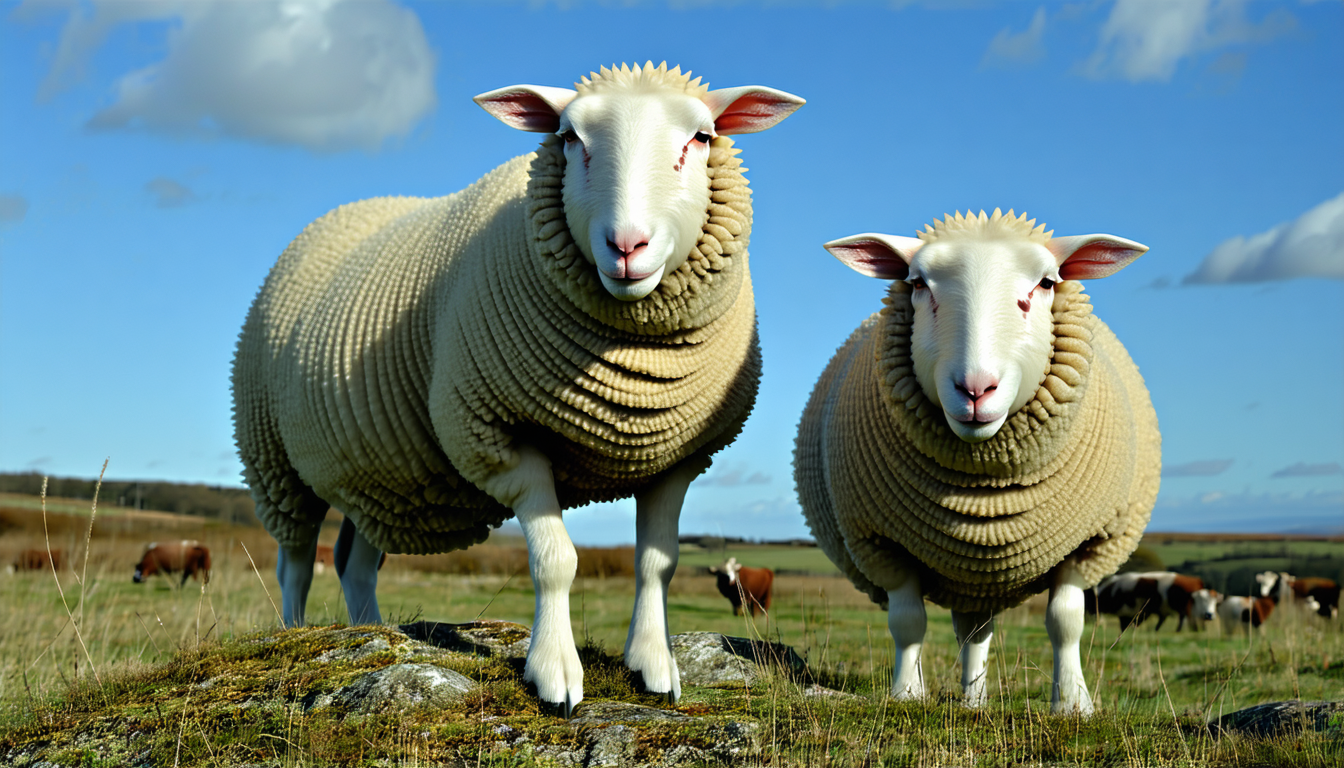
Scotland Expands Bluetongue Disease Restriction Zone Amid Growing Concerns
🐦 The Peck
Key Facts
-
●
The bluetongue disease restriction zone will be expanded to cover all of Scotland.
CORROBORATED -
●
Bluetongue is a viral disease affecting livestock, particularly sheep.
CORROBORATED -
●
The expansion of the restriction zone is a response to confirmed cases of bluetongue in the region.
CORROBORATED -
●
Farmers are advised to implement biosecurity measures to prevent the spread of bluetongue.
UNVERIFIED
🔍 The Big Picture
**The Big Picture**
The recent decision by Scottish authorities to expand the bluetongue disease restriction zone to encompass all of Scotland is a significant development in the realm of livestock health management. Bluetongue is a viral disease primarily affecting ruminants, particularly sheep, which can lead to severe economic losses for farmers due to decreased productivity, increased veterinary costs, and potential livestock mortality. The confirmed cases in Scotland underscore the urgency of this response, as the disease poses a direct threat to the agricultural sector, which is a vital component of Scotland's economy.
This expansion reflects broader concerns regarding animal health and biosecurity in the face of emerging infectious diseases. The Scottish government’s proactive stance aligns with a growing trend among agricultural authorities worldwide to implement stricter measures to control zoonotic diseases and protect livestock. The emphasis on biosecurity measures is particularly relevant, as it indicates a shift towards more preventative strategies in managing livestock health, which may require farmers to adapt their practices significantly. This could lead to increased operational costs, particularly for smaller farms that may lack the resources to effectively implement these measures.
Moreover, the implications of this restriction zone expansion extend beyond immediate agricultural concerns. As bluetongue is transmitted by biting midges, its spread can be influenced by climatic conditions, which raises questions about the impact of climate change on animal disease patterns. Increased temperatures and changing weather patterns may facilitate the proliferation of vectors, further complicating the landscape for livestock management. Farmers, policymakers, and researchers will need to stay vigilant and adapt to these evolving risks, potentially influencing agricultural policies and funding for disease research and prevention.
While the expansion of the bluetongue restriction zone aims to safeguard livestock health, it could also lead to varying interpretations within the agricultural community. Some stakeholders may view it as a necessary precaution that underscores the importance of animal health, while others might perceive it as an overreach that could stifle agricultural productivity and profitability. This divergence in perspectives highlights the delicate balance between ensuring public and animal health and maintaining economic viability in the agricultural sector.
In conclusion, the expansion of the bluetongue disease restriction zone in Scotland is a critical measure in response to confirmed cases of the disease and reflects broader trends in livestock health management and biosecurity. As farmers are advised to enhance their biosecurity protocols, the agricultural landscape may undergo notable changes, with potential long-term implications for both livestock health and economic sustainability in the sector. The situation warrants close monitoring, as the intersection of animal health, environmental factors, and agricultural policy continues to evolve.
👀 What to Watch
- **October 15, 2023**: Scottish Government to hold a press conference detailing the expansion of the bluetongue disease restriction zone and the specific areas affected.
- **October 20, 2023**: Deadline for farmers in the affected regions to submit their biosecurity plans to local agricultural authorities, ensuring compliance with new restrictions.
- **November 1, 2023**: Scheduled review meeting by the Scottish Government to assess the effectiveness of implemented biosecurity measures and evaluate the situation regarding bluetongue cases.
- **November 15, 2023**: Release of a public health report summarizing the impact of bluetongue disease on livestock in Scotland, including statistics on confirmed cases and economic implications for farmers.
- **December 1, 2023**: Expected announcement from the Scottish Government regarding any further expansions or modifications to the restriction zone based on ongoing surveillance and case assessments.
- **Ongoing**: Regular updates from the Animal and Plant Health Agency (APHA) regarding new bluetongue cases and guidance for farmers on best practices for disease prevention.
Comments (0)
No comments yet. Be the first to share your thoughts!
This Peckture was researched and generated by Peckture.com based on publicly available information. All claims are marked with their verification status.
Last updated: October 1, 2026 10:01 PM