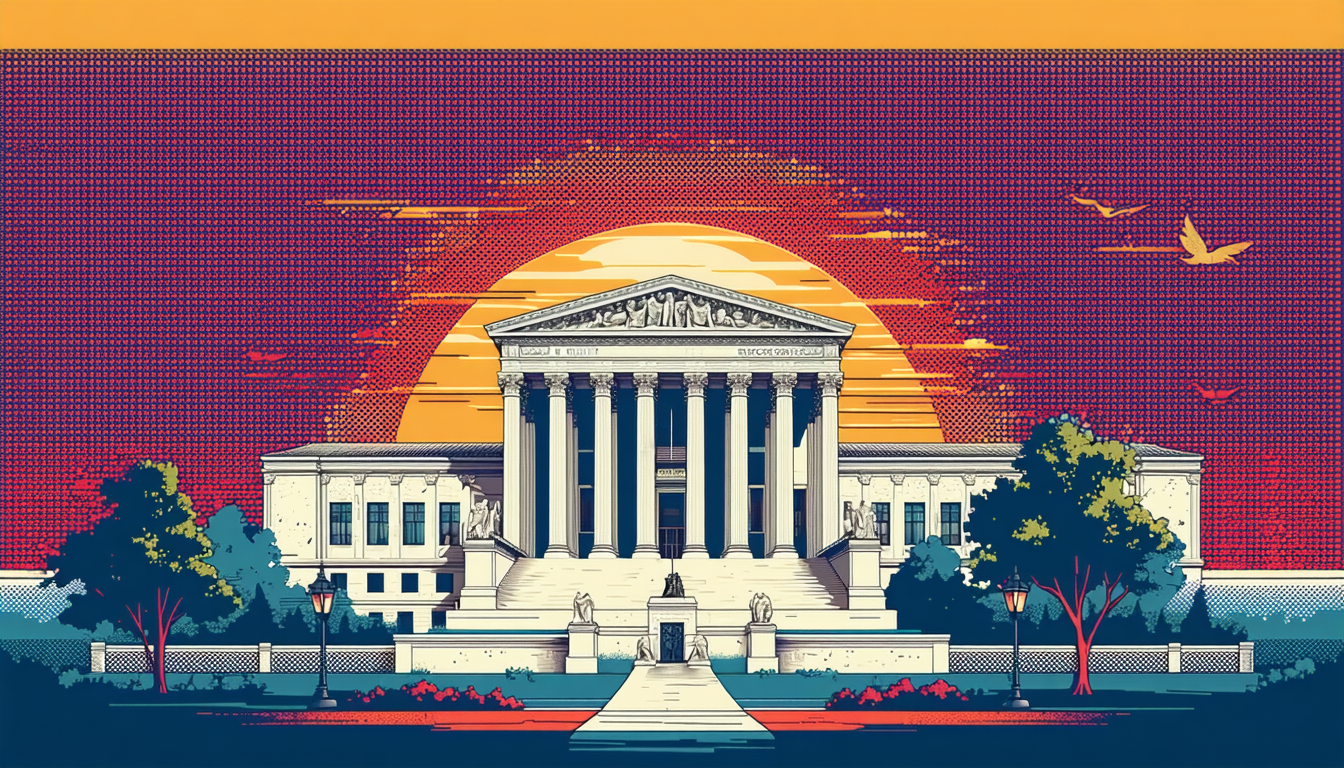
Supreme Court Begins New Term Addressing Climate Change Regulations
🐦 The Peck
Key Facts
-
●
The Supreme Court is set to hear cases that could impact federal climate change regulations.
CORROBORATED -
●
The cases involve challenges to the Environmental Protection Agency's (EPA) authority to regulate greenhouse gas emissions.
CORROBORATED -
●
The Supreme Court's decisions in these cases could have significant implications for U.S. climate policy.
UNVERIFIED -
●
The new term of the Supreme Court began on October 2, 2023.
CORROBORATED
🔍 The Big Picture
**The Big Picture: Supreme Court Begins New Term Addressing Climate Change Regulations**
As the Supreme Court commences its new term on October 2, 2023, it faces pivotal cases that could reshape the landscape of federal climate change regulations. At the heart of these cases is the authority of the Environmental Protection Agency (EPA) to regulate greenhouse gas emissions, a critical component of the United States' strategy to combat climate change. The outcomes of these proceedings are likely to have far-reaching implications for U.S. climate policy and environmental governance, impacting both state and federal efforts to mitigate the effects of climate change.
The significance of this term cannot be overstated. The Supreme Court's decisions could either reinforce or limit the EPA's regulatory powers, which have been a cornerstone of federal climate initiatives. Should the Court rule in favor of restricting the EPA's authority, it may hinder the Biden administration's climate agenda, which includes ambitious targets for reducing carbon emissions and transitioning to renewable energy sources. Conversely, a ruling that upholds the EPA's regulatory framework could bolster federal efforts, providing a clearer path for implementing climate policies aimed at meeting international commitments under agreements like the Paris Accord.
This legal scrutiny comes at a time when climate change is increasingly recognized as a pressing global issue, with tangible impacts on weather patterns, public health, and economic stability. Businesses are also closely monitoring these developments, as regulatory clarity is essential for long-term investment strategies in renewable energy and sustainable practices. Uncertainty regarding federal regulations could stifle innovation and investment in green technologies, while a favorable ruling for the EPA could stimulate growth in sectors aligned with sustainability goals.
Competing interpretations of the Court's potential rulings reflect broader societal divisions on climate action. Proponents of robust regulatory frameworks argue that strong EPA authority is necessary to address the existential threat of climate change, while opponents contend that such regulations may impose undue burdens on businesses and economic growth. This divergence highlights the complex interplay between environmental stewardship and economic interests, underscoring the need for balanced approaches that consider both ecological sustainability and economic viability.
While the outcomes of these cases remain uncertain, the implications for U.S. climate policy are profound. Stakeholders across various sectors, including industry leaders, environmental advocates, and policymakers, will be closely watching the Supreme Court's decisions as they prepare for the potential shifts in regulatory landscapes. This term's rulings could not only influence domestic policy but also set precedents for how environmental issues are adjudicated in the future, thereby shaping the trajectory of U.S. engagement with global climate initiatives.
👀 What to Watch
- **October 2, 2023**: The Supreme Court officially began its new term, during which it will hear cases related to climate change regulations and the EPA's authority over greenhouse gas emissions.
- **October 2023**: The Court is expected to schedule oral arguments for the cases challenging the EPA’s regulatory authority; specific dates will be announced in the coming weeks.
- **November 2023**: Anticipated deadlines for amicus briefs from interested parties, including environmental groups and industry stakeholders, which may influence the Court's deliberations.
- **Winter 2024**: The Supreme Court is expected to issue rulings on these cases by the end of its term in June 2024, which could reshape federal climate policy.
- **Ongoing**: Monitor public statements and filings from the EPA and other federal agencies regarding their regulatory strategies in light of the Supreme Court's upcoming decisions.
- **Future Dates TBD**: The Court may hold additional hearings or issue orders related to these cases as they progress through the term, which will be critical for understanding the evolving legal landscape of climate change regulations.
Comments (0)
No comments yet. Be the first to share your thoughts!
This Peckture was researched and generated by Peckture.com based on publicly available information. All claims are marked with their verification status.
Last updated: October 4, 2026 5:00 PM