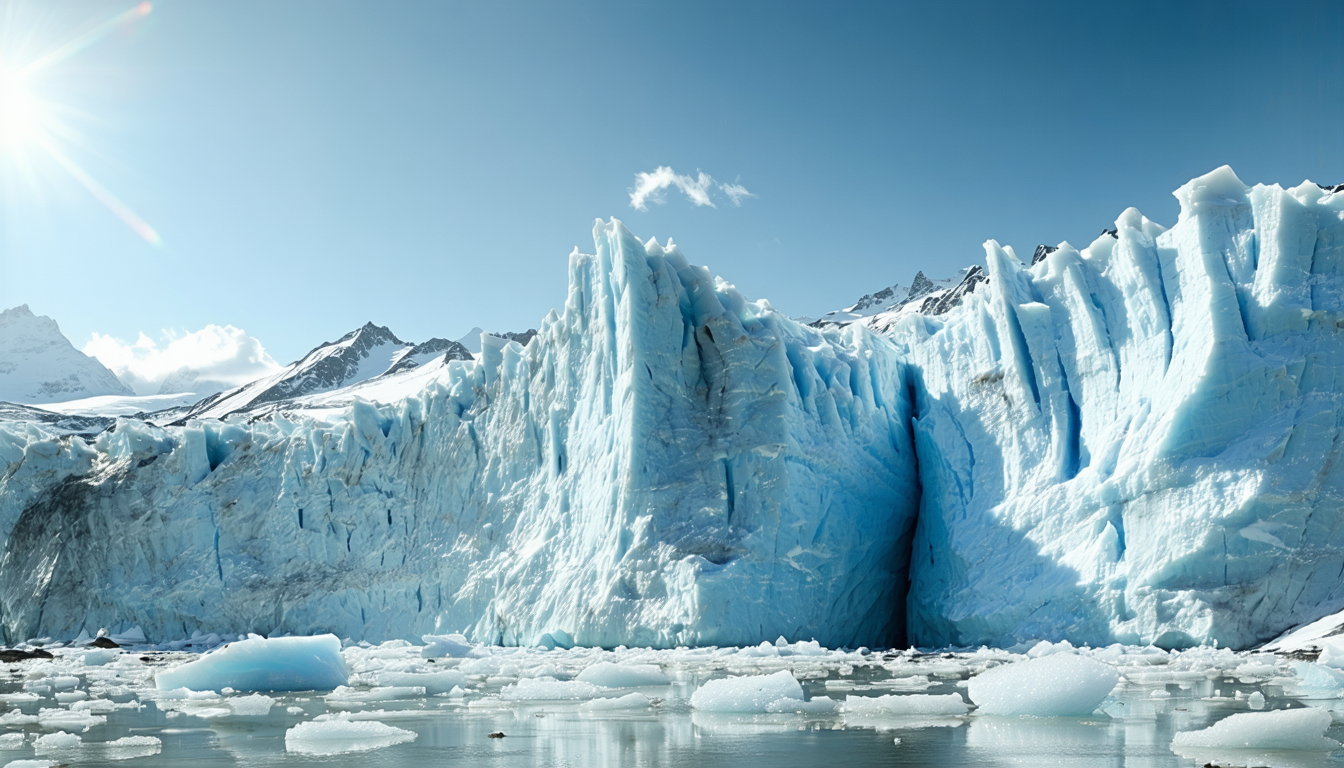
Swiss Glaciers Experience Significant Ice Loss, Impacting Water Resources
🐦 The Peck
Key Facts
-
●
Swiss glaciers lost approximately 6% of their total volume in 2022, marking one of the worst years on record for ice loss.
CORROBORATED -
●
The ongoing climate crisis is accelerating the melting of glaciers in Switzerland, which are critical for water supply.
CORROBORATED -
●
Glaciers in Switzerland are estimated to provide about 70% of the country's drinking water during the summer months.
UNVERIFIED -
●
The current rate of ice loss is expected to lead to severe water shortages in the coming decades if trends continue.
UNVERIFIED
🔍 The Big Picture
**The Big Picture: Swiss Glaciers Experience Significant Ice Loss, Impacting Water Resources**
The recent report indicating that Swiss glaciers lost approximately 6% of their total volume in 2022 underscores a troubling trend linked to the climate crisis. This loss is one of the most severe recorded in recent history and raises alarm bells about future water availability in Switzerland. Glaciers are crucial to the country’s water infrastructure, with estimates suggesting they supply around 70% of drinking water during the summer months. Consequently, the ongoing decline in glacial mass poses a significant risk to both public health and agricultural stability in a region heavily reliant on consistent water sources.
The implications of glacier loss extend beyond immediate water shortages. As climate change accelerates glacial melt, the consequences could ripple through various sectors, including agriculture, tourism, and energy production. For instance, reduced water availability may lead to increased competition among users, prompting a reevaluation of water management policies and potentially necessitating investments in alternative water supply technologies or infrastructure. Furthermore, sectors like hydropower, which is a vital energy source in Switzerland, may also face challenges, as diminished glacier-fed streams could lead to lower energy output during critical dry periods.
While the scientific consensus highlights the undeniable link between climate change and glacial retreat, there exists a spectrum of interpretations regarding the solutions and responses to these challenges. Some stakeholders advocate for immediate and aggressive climate action, including shifts toward renewable energy and sustainable water management practices. Others may argue for technological innovations to address water scarcity, such as desalination or advanced water recycling systems. However, these discussions often overlook the urgency of addressing the root causes of climate change and the need for systemic changes in consumption and resource management.
As we look to the future, the uncertainty surrounding the rate of ice loss and its direct implications on water resources remains a critical concern. While current projections indicate severe water shortages in the coming decades if trends continue, there are variables at play, including potential advancements in climate mitigation strategies and changes in weather patterns that could influence glacial dynamics. Policymakers, businesses, and communities must prepare for a range of scenarios, with an emphasis on resilience and adaptability to safeguard water resources and ensure sustainable development in the face of ongoing environmental change.
👀 What to Watch
- **Swiss Federal Office for the Environment (FOEN) Report Release**: Anticipated release of the annual report on glacier mass balance in Switzerland, expected in early December 2023. This report will provide updated statistics on ice loss and its implications for water resources.
- **UN Climate Change Conference (COP28)**: Scheduled for November 30 to December 12, 2023, in Dubai, UAE. Discussions will include the impact of climate change on glacier melt and water resources, with potential implications for Swiss environmental policies.
- **Swiss Water Management Strategy Meeting**: A governmental meeting set for January 15, 2024, to discuss strategies for managing water resources amid declining glacier volumes. This meeting will focus on long-term solutions to mitigate water shortages.
- **Swiss Alpine Research Institute Symposium**: A symposium on climate impact on alpine ecosystems, scheduled for February 20-22, 2024. Researchers will present findings on glacier melt and its effects on local water supplies.
- **European Commission Water Resources Policy Update**: Expected publication in March 2024, addressing water scarcity issues in Europe, including the implications of glacier melt in Switzerland, which may influence future EU water management policies.
- **Local Government Water Supply Planning Sessions**: Ongoing sessions throughout 2024 by local Swiss governments to address immediate water supply challenges due to glacier melt. Specific dates vary by municipality but are anticipated to occur quarterly.
- **International Glacier Monitoring Workshop**: Scheduled for April 10-12, 2024, in Switzerland. This workshop will gather scientists and policymakers to discuss glacier monitoring technologies and strategies to address the impacts of climate change on water resources.
Comments (0)
No comments yet. Be the first to share your thoughts!
This Peckture was researched and generated by Peckture.com based on publicly available information. All claims are marked with their verification status.
Last updated: October 1, 2026 11:02 AM