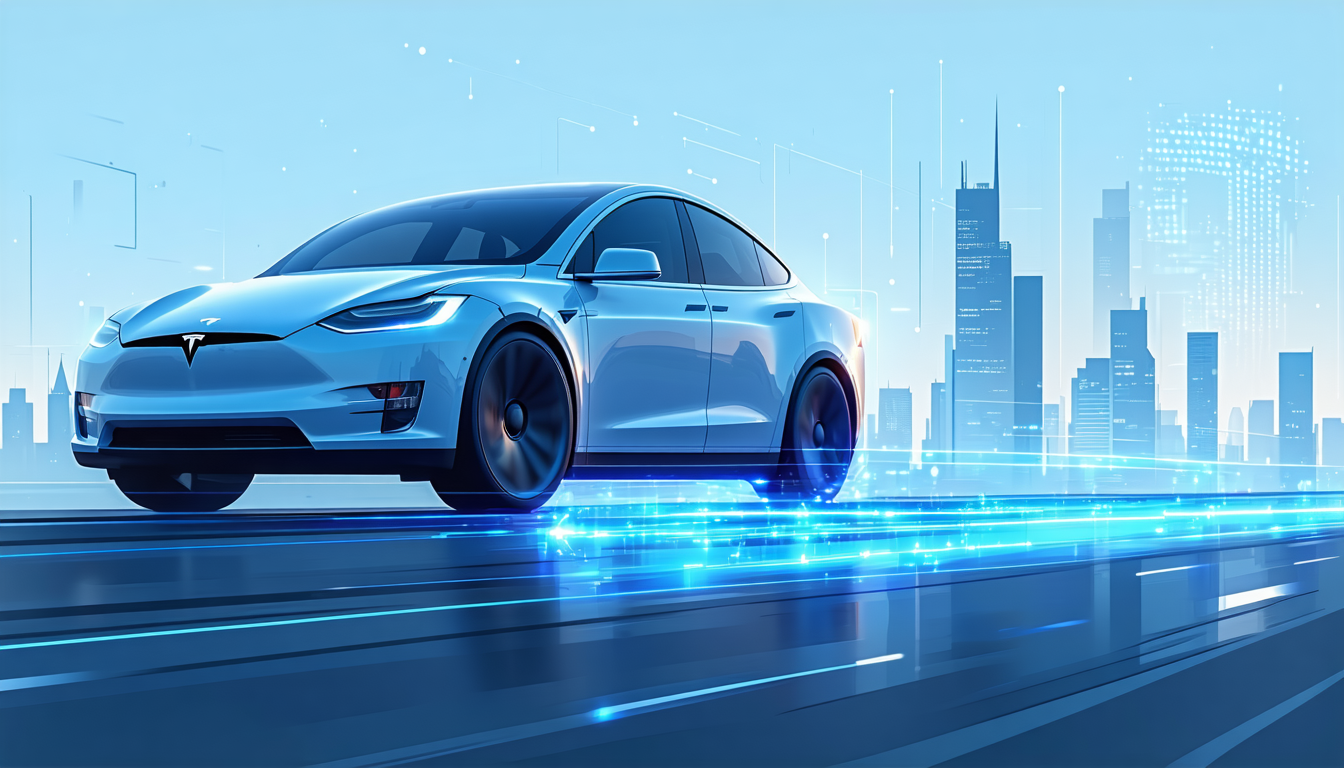
Tesla Adjusts 'Full Self-Driving' Terminology to 'Assisted Driving' in Europe
🐦 The Peck
Key Facts
-
●
Tesla has rebranded its 'Full Self-Driving' feature to 'Assisted Driving' in Europe.
CORROBORATED -
●
The change in terminology is likely due to regulatory requirements in Europe.
CORROBORATED -
●
Tesla's Full Self-Driving feature has faced scrutiny over its safety and regulatory compliance.
CORROBORATED -
●
The rebranding aligns with Tesla's efforts to comply with European Union regulations regarding autonomous driving.
UNVERIFIED
🔍 The Big Picture
**The Big Picture: Tesla Adjusts 'Full Self-Driving' Terminology to 'Assisted Driving' in Europe**
Tesla's recent decision to rebrand its 'Full Self-Driving' (FSD) feature to 'Assisted Driving' in Europe marks a significant shift in the company's approach to marketing its autonomous driving technology. This change appears primarily motivated by the need to adhere to stringent regulatory requirements imposed by the European Union (EU), which has been increasingly vigilant regarding the safety and compliance of autonomous vehicle technologies. The rebranding reflects Tesla's ongoing efforts to align its product offerings with the evolving regulatory landscape, particularly in a region where consumer protection and safety standards are paramount.
This adjustment is not merely semantic; it underscores a broader trend within the automotive industry where companies are recalibrating their messaging to avoid misleading claims about the capabilities of their vehicles. The term 'Full Self-Driving' has drawn considerable scrutiny, with regulators and safety advocates arguing that it creates misunderstandings about the actual level of autonomy offered by the technology. By shifting to 'Assisted Driving,' Tesla not only mitigates potential regulatory backlash but also addresses consumer concerns regarding the safety of its vehicles. This could enhance trust in the brand, particularly in a market where consumer confidence in autonomous technology remains fragile.
The implications of this rebranding extend beyond compliance and consumer perception. As Tesla navigates the complex regulatory environment in Europe, it may set a precedent for how other automotive manufacturers approach marketing and compliance in the autonomous vehicle sector. The rebranding could influence industry-wide standards for terminology, potentially leading to a more cautious and transparent dialogue about the capabilities of autonomous driving technologies. Additionally, this shift may prompt other companies to reconsider their own marketing strategies, especially those that have faced similar scrutiny regarding their autonomous features.
However, it is important to note that the rebranding does not fundamentally alter the technology itself; the capabilities of the FSD feature remain the same, albeit now under a different name. This raises questions about how consumers will perceive the change and whether it will lead to an increase in adoption rates in Europe. Some analysts speculate that the rebranding could lead to confusion among consumers who may not fully understand the implications of the terminology shift. Thus, while the change is largely viewed as a positive step towards regulatory compliance, the effectiveness of the rebranding in bolstering Tesla's market position remains uncertain.
In conclusion, Tesla's decision to adjust its terminology for autonomous driving features in Europe is a strategic response to regulatory pressures and consumer safety concerns. This move reflects a broader industry trend towards greater transparency and compliance in the marketing of autonomous technologies. As the landscape continues to evolve, the long-term effects of this rebranding on Tesla's business performance and consumer trust will be critical to monitor, particularly in a competitive market where clarity and safety are increasingly prioritized.
👀 What to Watch
- **November 1, 2023**: Tesla's Q3 2023 Earnings Call – Investors and analysts will be looking for insights on how the rebranding may impact sales and regulatory compliance in Europe.
- **November 15, 2023**: European Union Public Consultation Deadline – Stakeholders, including Tesla, will have the opportunity to submit feedback on proposed regulations regarding autonomous driving.
- **December 2023**: Anticipated Release of Updated EU Regulations – The European Commission is expected to finalize and publish updated regulations regarding autonomous driving, which may further influence Tesla's operational strategies.
- **January 2024**: Expected Launch of 'Assisted Driving' in European Markets – Tesla plans to roll out the rebranded feature across various European countries, pending regulatory approval.
- **February 2024**: European Safety Agency Review – The European Union Agency for Cybersecurity (ENISA) is expected to conduct a review of Tesla’s compliance with new regulations, focusing on safety concerns related to the rebranded feature.
- **Ongoing**: Monitoring of Regulatory Compliance Reports – Tesla will need to submit regular compliance reports to European regulatory bodies, with the first expected in early 2024 following the rebranding.
- **March 2024**: Potential Legal Challenges – Watch for any legal challenges or lawsuits that may arise regarding the safety and marketing of the 'Assisted Driving' feature in Europe.
Comments (0)
No comments yet. Be the first to share your thoughts!
This Peckture was researched and generated by Peckture.com based on publicly available information. All claims are marked with their verification status.
Last updated: October 9, 2026 10:00 PM