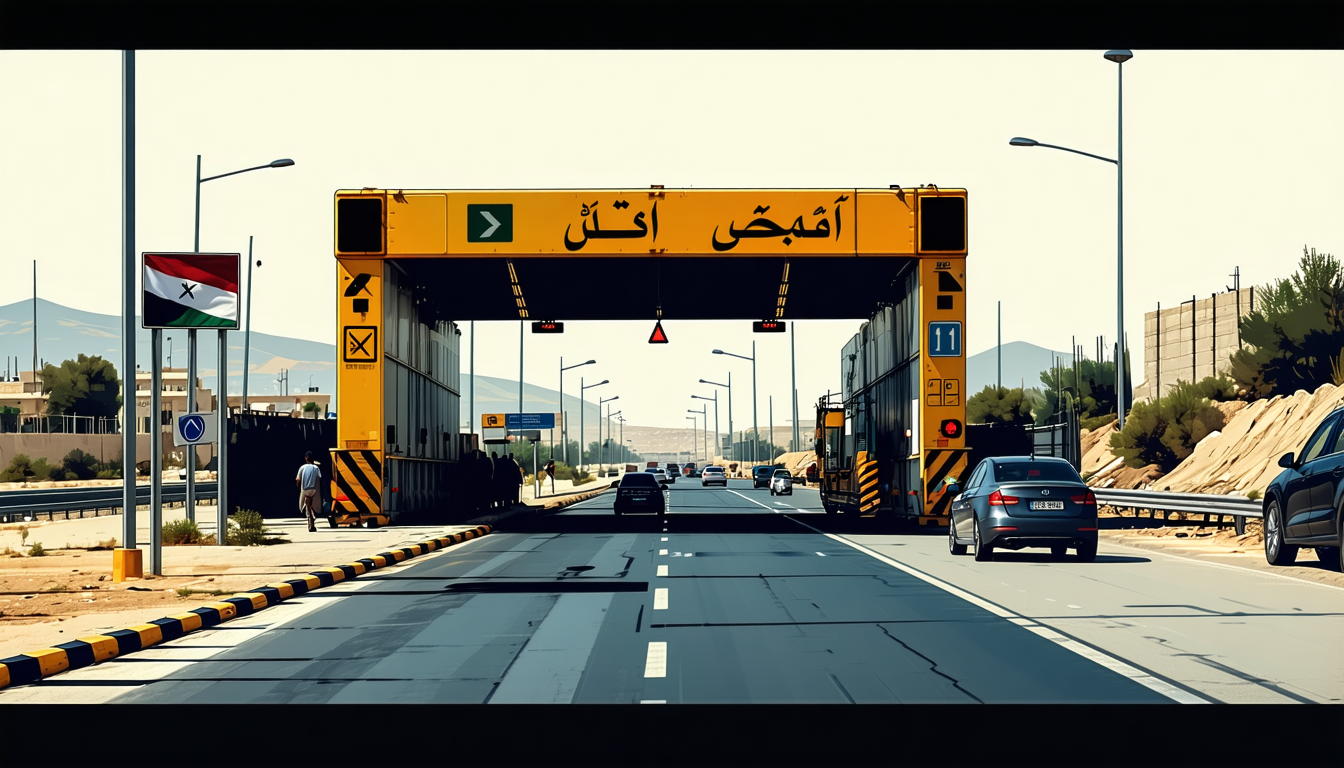
The Impact of Israeli Checkpoints on Palestinian Daily Life in the West Bank
🐦 The Peck
Key Facts
-
●
Israeli checkpoints in the West Bank significantly restrict the movement of Palestinians, impacting their access to essential services.
CORROBORATED -
●
There are over 100 permanent Israeli checkpoints in the West Bank.
CORROBORATED -
●
Checkpoints are often cited as a major source of frustration and hardship for Palestinians, leading to delays in emergency medical services.
CORROBORATED -
●
The Israeli military controls the checkpoints, which are often staffed by soldiers.
CORROBORATED -
●
Palestinians must obtain permits to pass through many checkpoints, which can be difficult to acquire.
CORROBORATED -
●
Checkpoints have been criticized for contributing to the overall humanitarian crisis in the region.
UNVERIFIED
🔍 The Big Picture
**The Big Picture: The Impact of Israeli Checkpoints on Palestinian Daily Life in the West Bank**
The presence of over 100 permanent Israeli checkpoints in the West Bank has become a defining feature of the region's socio-political landscape, significantly restricting the movement of Palestinians and affecting their access to essential services. These checkpoints, controlled by the Israeli military and often staffed by soldiers, are a critical point of contention in the ongoing Israeli-Palestinian conflict. The restrictions imposed at these checkpoints not only complicate daily life for Palestinians but also contribute to a broader humanitarian crisis, as they impede access to healthcare, education, and employment opportunities.
The operational dynamics of these checkpoints often lead to severe delays, particularly in emergency medical situations. Reports indicate that ambulances and patients face significant hurdles when attempting to navigate through these barriers, which can result in life-threatening consequences. The necessity for Palestinians to obtain permits to pass through many checkpoints adds another layer of complexity, as the permit acquisition process is frequently criticized for being opaque and difficult, exacerbating frustrations among the Palestinian population. Consequently, these restrictions have far-reaching implications for the health and well-being of individuals and communities, highlighting the urgent need for policy interventions that address these humanitarian concerns.
From a broader perspective, the checkpoints symbolize the ongoing tension and conflict between Israelis and Palestinians. They are often viewed as a manifestation of the Israeli military's control over Palestinian territories, which contributes to a sense of disenfranchisement among Palestinians. This situation is further complicated by competing interpretations of security and sovereignty; while Israeli authorities argue that checkpoints are necessary for security and preventing violence, many Palestinians and international observers see them as tools of oppression that hinder peace prospects. This divergence in perspectives underscores the complexity of the conflict and the challenges involved in finding a resolution.
The implications of the checkpoint system extend beyond immediate humanitarian concerns, affecting economic conditions in the West Bank as well. Restricted movement limits access to markets and employment opportunities, thereby stunting economic growth and contributing to widespread poverty. This economic stagnation can foster resentment and instability, potentially leading to increased tensions both locally and regionally. As international actors engage with the Israeli-Palestinian conflict, understanding the multifaceted impact of these checkpoints is essential for developing effective policies aimed at fostering peace and improving the humanitarian situation on the ground.
In summary, the checkpoints in the West Bank serve as a critical focal point in the analysis of the Israeli-Palestinian conflict. They represent not only a physical barrier but also a broader systemic issue that affects daily life, economic stability, and the humanitarian situation in the region. Addressing these challenges requires a nuanced understanding of the underlying dynamics and a commitment to finding solutions that prioritize both security and human rights.
👀 What to Watch
- **UN Security Council Meeting on Middle East Peace**
Date: November 15, 2023
The United Nations Security Council will convene to discuss the ongoing humanitarian situation in the West Bank, including the impact of Israeli checkpoints on Palestinian access to services.
- **Report Release by Human Rights Organizations**
Date: November 30, 2023
Several human rights organizations, including Human Rights Watch and Amnesty International, are expected to release a comprehensive report detailing the effects of checkpoints on Palestinian daily life and potential recommendations for policy changes.
- **Israeli Government Policy Review Session**
Date: December 5, 2023
The Israeli government is scheduled to hold a session to review its policies regarding checkpoints and permits, which may result in new regulations affecting Palestinian movement.
- **International Aid Conference**
Date: December 12-13, 2023
An international conference on humanitarian aid for the Palestinian territories will take place, focusing on access issues exacerbated by checkpoints and potential funding for emergency services.
- **Court Hearing on Checkpoint Regulations**
Date: January 10, 2024
An Israeli court will hear a case challenging the legality of checkpoint regulations and permit requirements that restrict Palestinian movement, which may set a precedent for future legal actions.
- **Local Community Advocacy Event**
Date: January 20, 2024
Palestinian advocacy groups are organizing a community event to raise awareness about the daily challenges posed by checkpoints, including testimonies from affected individuals and discussions on potential advocacy strategies.
- **Humanitarian Aid Delivery Assessment**
Date: February 1, 2024
A scheduled assessment by the World Health Organization will evaluate the impact of checkpoints on the delivery of humanitarian aid and medical services in the West Bank, with findings expected to influence future aid strategies.
Comments (0)
No comments yet. Be the first to share your thoughts!
This Peckture was researched and generated by Peckture.com based on publicly available information. All claims are marked with their verification status.
Last updated: September 30, 2026 11:00 AM