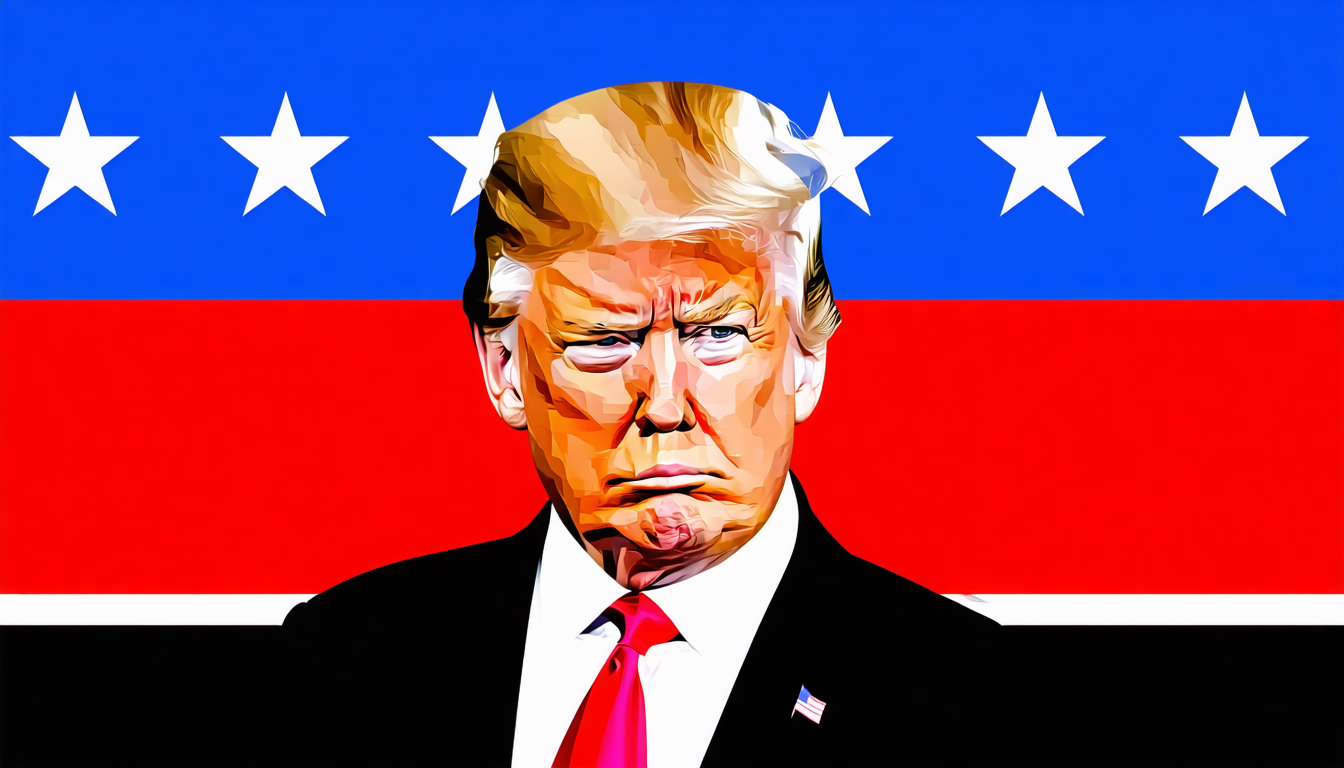
Top Republicans Express Doubts About Retaining House Majority Ahead of 2024 Elections
🐦 The Peck
Key Facts
-
●
Many Republican leaders privately believe that the House of Representatives is a lost cause for the upcoming elections.
CORROBORATED -
●
Recent polling indicates that Republican candidates are struggling in key battleground districts.
CORROBORATED -
●
Republican strategists are concerned about the impact of ongoing investigations into former President Donald Trump on the party's electoral prospects.
UNVERIFIED -
●
Democratic candidates are gaining traction in traditionally Republican strongholds.
UNVERIFIED
🔍 The Big Picture
The recent expressions of doubt from top Republican leaders regarding their party's ability to retain a majority in the House of Representatives ahead of the 2024 elections signal a critical juncture in American politics. Verified claims indicate that many within the GOP privately view the House as a "lost cause," a sentiment that is underscored by recent polling showing Republican candidates underperforming in key battleground districts. This development is particularly significant as it could reshape the legislative landscape and influence the party's strategic focus as they approach the elections.
The ongoing investigations into former President Donald Trump are a focal point of concern for Republican strategists. As these legal challenges unfold, they risk overshadowing the party's messaging and galvanizing opposition support, particularly among independent voters who may be swayed by perceptions of accountability and governance. This dynamic is compounded by the rising competitiveness of Democratic candidates in areas that have historically leaned Republican, suggesting a potential shift in voter sentiment. If these trends continue, Republicans may face a scenario where they not only lose the House majority but also struggle to maintain relevance in the political discourse.
The implications of these developments extend beyond electoral outcomes; they may affect policy-making and party cohesion. A diminished House majority could hinder the GOP's ability to advance its legislative agenda, particularly on issues such as tax reform, healthcare, and immigration, which are pivotal to their platform. Additionally, internal divisions may become more pronounced as factions within the party grapple with the implications of electoral setbacks. This situation invites competing interpretations: some may argue that a loss could prompt a necessary reckoning and re-evaluation of party strategy, while others might contend that it could lead to further entrenchment of existing divisions.
While it is uncertain how these factors will ultimately play out, the current trajectory suggests that Republicans must not only contend with external electoral challenges but also navigate their internal landscape effectively. As they prepare for the upcoming elections, the party's ability to unify around a coherent message and respond to the evolving political climate will be critical in determining their future standing in Congress. The stakes are high, as the outcome of the 2024 elections could shape not only the immediate political landscape but also the long-term direction of the Republican Party.
👀 What to Watch
- **November 8, 2023**: Special elections in various states will provide insight into voter sentiment ahead of the 2024 elections, particularly in battleground districts where Republicans are currently facing challenges.
- **November 15, 2023**: The House of Representatives will hold a vote on key legislation that could impact Republican incumbents' popularity, potentially influencing their standing in upcoming elections.
- **December 2023**: The Republican National Committee (RNC) is expected to release its final fundraising numbers for the year, which will shed light on the party's financial health and ability to support candidates in key districts.
- **January 2024**: The first major primary debates for the Republican presidential candidates are scheduled, which may shift focus and resources within the party, impacting House races.
- **February 2024**: The results of the early primary states (Iowa, New Hampshire, South Carolina) will provide critical insights into the Republican base's preferences and may affect House candidates’ strategies.
- **Ongoing**: Investigations involving former President Donald Trump are expected to continue, with potential court dates and hearings in early 2024 that could influence public opinion and party dynamics.
- **March 2024**: The release of new polling data ahead of the primary season will be crucial for gauging Republican candidates' standings in battleground districts and the overall electoral landscape.
Comments (0)
No comments yet. Be the first to share your thoughts!
This Peckture was researched and generated by Peckture.com based on publicly available information. All claims are marked with their verification status.
Last updated: October 14, 2026 11:01 AM