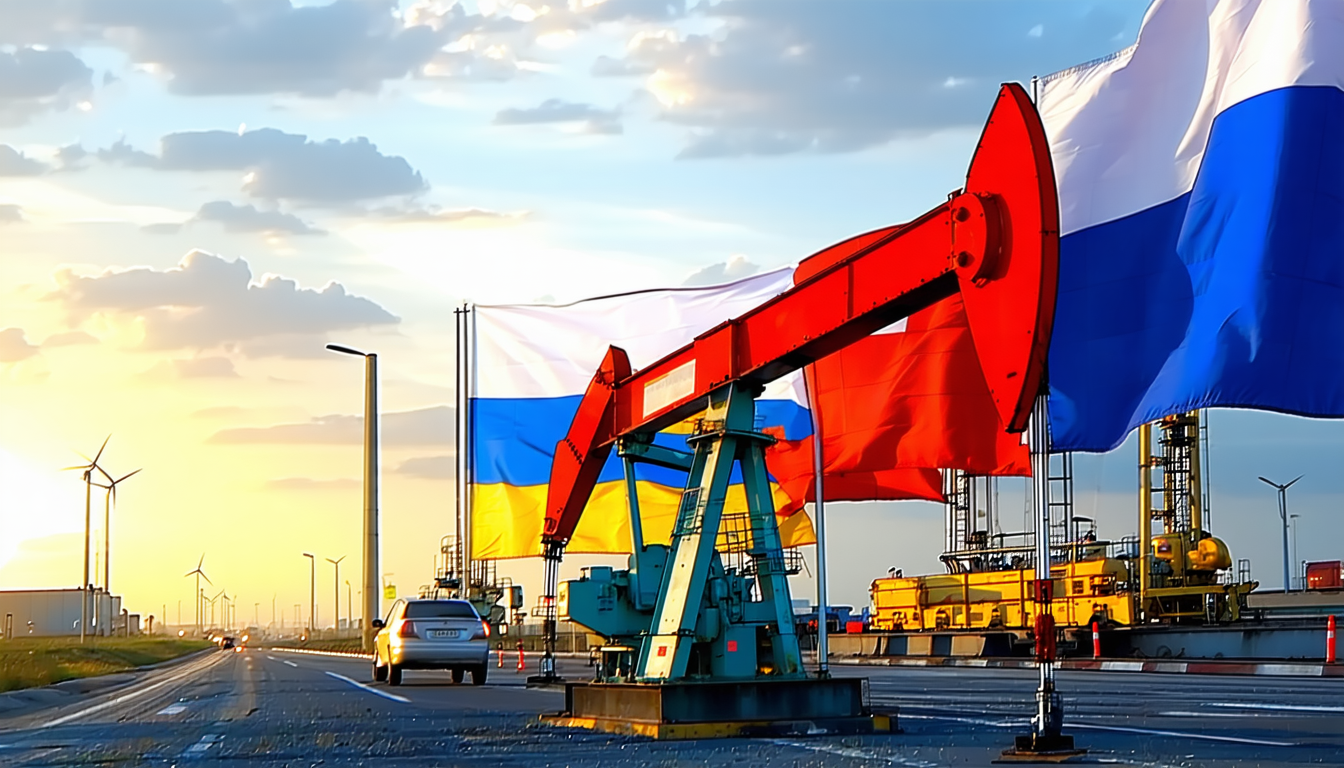
Trump's Russia Deal Aims to Address Rising Fuel Prices Amid Economic Pressure
🐦 The Peck
Key Facts
-
●
Donald Trump has proposed a deal with Russia to increase oil supply in response to rising fuel prices in the U.S.
CORROBORATED -
●
U.S. fuel prices have been rising significantly, prompting political leaders to seek solutions.
CORROBORATED -
●
The average price of gasoline in the U.S. reached over $4 per gallon in 2023.
CORROBORATED -
●
Trump's proposal has received mixed reactions from political analysts and the public.
UNVERIFIED
🔍 The Big Picture
**The Big Picture: Analysis of Trump's Russia Deal Proposal Amid Rising Fuel Prices**
The recent proposal by Donald Trump to negotiate a deal with Russia aimed at increasing oil supply highlights a critical intersection of energy policy and economic pressures facing the United States. In 2023, average gasoline prices have surged to over $4 per gallon, reflecting broader inflationary trends and supply chain disruptions exacerbated by geopolitical tensions. As consumers and businesses grapple with these rising costs, political leaders are compelled to explore various avenues to stabilize fuel prices, making Trump's proposal particularly salient in the current economic climate.
This situation unfolds against a backdrop of ongoing debates regarding U.S. energy independence and the complex relationship with Russia, especially in light of prior sanctions and diplomatic strains. Trump's suggestion to engage with Russia for oil supply raises questions about the efficacy and morality of such an approach, given the historical context of U.S.-Russia relations. Analysts are divided on the potential outcomes; some view increased supply as a necessary short-term fix to alleviate consumer burden, while others caution that reliance on foreign oil, especially from Russia, could undermine domestic energy initiatives and national security.
The mixed reactions to Trump's proposal underscore the contentious nature of energy policy in the U.S. Some political analysts argue that such a deal could provide immediate relief to consumers and businesses suffering from high fuel costs, potentially influencing voter sentiment in a politically charged environment. Conversely, critics argue that it could normalize relations with a country currently viewed as an adversary, complicating the U.S.'s foreign policy stance and potentially alienating allies. This dichotomy reflects broader trends in energy politics where economic necessity must be balanced against strategic considerations.
As the U.S. navigates these challenges, the implications of Trump's proposal extend beyond immediate fuel prices. It raises critical questions about the future of U.S. energy policy, the role of international partnerships, and the balance between economic relief and geopolitical strategy. The uncertainty surrounding global oil markets, influenced by factors such as OPEC decisions and the evolving landscape of renewable energy, adds another layer of complexity. While Trump's proposal aims to address immediate economic pressures, it also opens the door to broader discussions about sustainable energy practices and the long-term vision for U.S. energy independence.
Ultimately, the response to this proposal will likely shape not only the political landscape leading into upcoming elections but also the broader narrative about America's energy future in a rapidly changing global context. The interplay between domestic economic needs and international relations will continue to be a pivotal factor as stakeholders assess the viability and implications of any potential deal with Russia.
👀 What to Watch
- **October 30, 2023**: The U.S. Energy Information Administration (EIA) will release its monthly short-term energy outlook, providing updated projections on fuel prices and oil supply which may influence public and political response to Trump's proposal.
- **November 7, 2023**: The U.S. Senate Committee on Energy and Natural Resources is scheduled to hold a hearing on energy prices and supply, where Trump's deal and its implications may be discussed among lawmakers.
- **November 15, 2023**: A scheduled press conference by Donald Trump to elaborate on his proposed deal with Russia, expected to address concerns and outline the anticipated benefits for U.S. fuel prices.
- **November 30, 2023**: The Organization of the Petroleum Exporting Countries (OPEC) will convene to discuss oil production levels, which could impact the feasibility of Trump's proposal and the global oil market.
- **December 5, 2023**: The U.S. Bureau of Labor Statistics will release the Consumer Price Index (CPI) report, which will provide insights into overall inflation, including fuel prices, and may influence public sentiment regarding Trump's deal.
- **January 2024**: Anticipated response from political analysts and public opinion polls following the implementation (if any) of Trump's deal and its effect on fuel prices, as well as any legislative actions that may arise from the proposed agreement.
Comments (0)
No comments yet. Be the first to share your thoughts!
This Peckture was researched and generated by Peckture.com based on publicly available information. All claims are marked with their verification status.
Last updated: October 10, 2026 11:01 AM