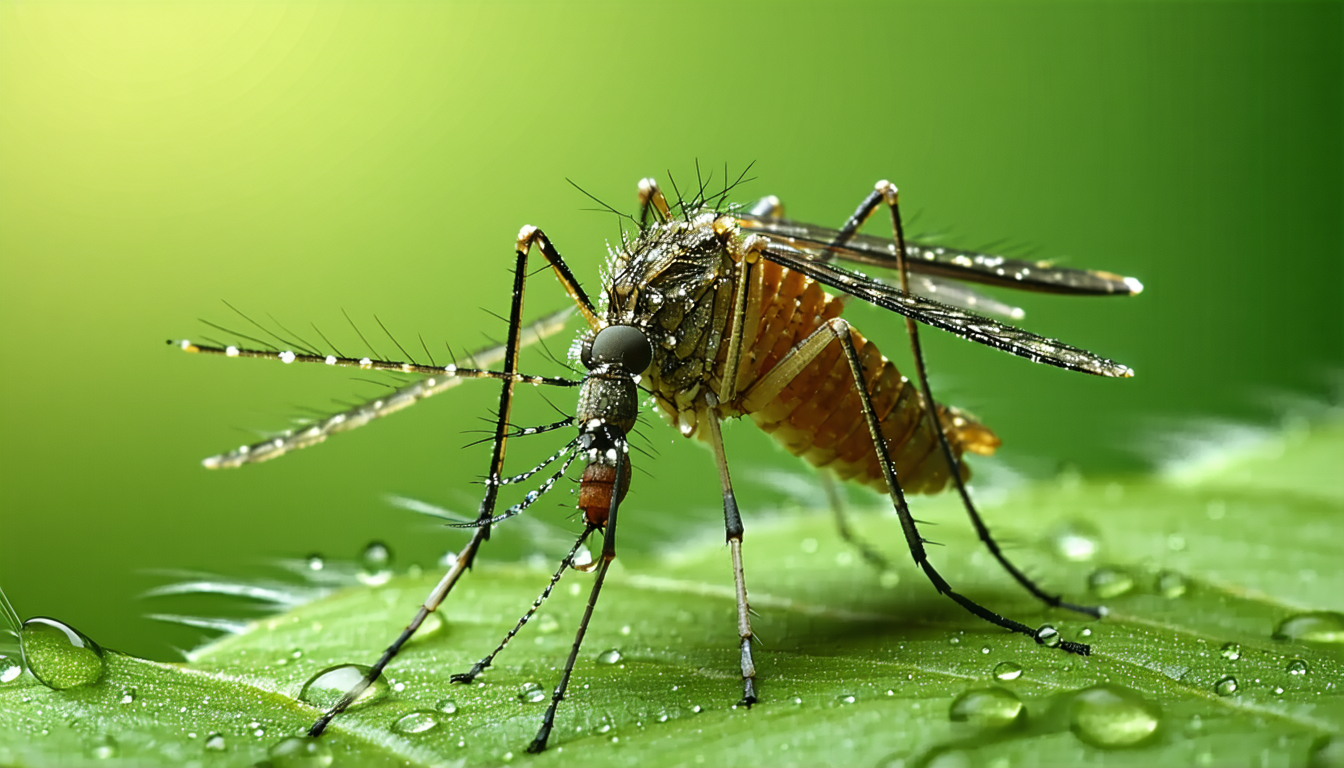
Understanding Effective Mosquito Repellents for Your Yard
🐦 The Peck
Key Facts
-
●
DEET is one of the most effective ingredients in mosquito repellents.
CORROBORATED -
●
Natural repellents like citronella and eucalyptus oil can provide limited protection.
CORROBORATED -
●
Mosquitoes are attracted to carbon dioxide and body heat.
CORROBORATED -
●
Using citronella candles can reduce mosquito presence but is not a complete solution.
UNVERIFIED -
●
The effectiveness of mosquito repellents can vary based on environmental factors.
UNVERIFIED
🔍 The Big Picture
**The Big Picture: Understanding Effective Mosquito Repellents for Your Yard**
As the warmer months approach, the prevalence of mosquitoes becomes a significant concern for homeowners, particularly in regions where these pests thrive. The understanding of effective mosquito repellents is not merely a matter of personal comfort; it has substantial implications for public health and outdoor enjoyment. The verified claims surrounding mosquito repellents reveal a landscape where synthetic solutions, such as DEET, are widely recognized for their efficacy, while natural alternatives like citronella and eucalyptus oil offer limited, albeit appealing, options for consumers seeking more environmentally friendly solutions.
The prominence of DEET as an effective repellent underscores a broader trend in consumer behavior, where efficacy often takes precedence over natural ingredients. This preference is fueled by the increasing awareness of mosquito-borne diseases, such as West Nile Virus and Zika, prompting individuals to prioritize protection over the potential downsides associated with synthetic chemicals. However, the rising demand for natural products has led to a surge in the market for botanical repellents. This dichotomy highlights a growing tension between health safety and environmental consciousness, as consumers navigate the trade-offs between effectiveness and the desire for eco-friendly alternatives.
Moreover, the effectiveness of mosquito repellents is significantly influenced by environmental factors, including temperature, humidity, and the presence of breeding sites. This variability complicates the landscape for both consumers and businesses, as it suggests that no single solution can universally address mosquito problems. Companies in the repellents market must adapt their strategies to account for these factors, potentially investing in research to develop formulations that cater to specific environments. This adaptability could provide a competitive edge in an industry where consumer preferences are rapidly evolving.
While the use of citronella candles and other natural repellents may create a perception of safety and sustainability, it is essential to recognize the limitations of these products. The notion that they can serve as a complete solution is misleading and may lead to inadequate protection, particularly in high-risk areas. This highlights a critical need for public education on the proper use of repellents and the importance of combining methods for optimal effectiveness. Stakeholders, including health organizations and product manufacturers, should consider collaborative efforts to disseminate accurate information, thus fostering informed consumer choices.
In conclusion, the ongoing dialogue around mosquito repellents reflects broader themes of health, consumer preference, and environmental sustainability. As the market evolves, companies must navigate the complex interplay of efficacy, consumer education, and environmental impact. Understanding these dynamics will be crucial for businesses aiming to thrive in a competitive landscape while addressing the genuine concerns of consumers seeking protection from mosquitoes.
👀 What to Watch
- **October 15, 2023**: The American Mosquito Control Association (AMCA) will hold its annual conference, discussing the latest research on mosquito control methods, including the effectiveness of various repellents.
- **October 20, 2023**: The Environmental Protection Agency (EPA) is expected to release updated guidelines on the safety and efficacy of chemical mosquito repellents, including DEET and natural alternatives.
- **November 1, 2023**: A peer-reviewed study on the effectiveness of natural mosquito repellents, including citronella and eucalyptus oil, is set to be published in the Journal of Medical Entomology, providing new insights into their protective capabilities.
- **November 15, 2023**: The Centers for Disease Control and Prevention (CDC) will release its annual report on mosquito-borne diseases, which may include data on the effectiveness of various repellents against these diseases.
- **December 5, 2023**: The National Pest Management Association (NPMA) will host a webinar focused on seasonal mosquito control strategies, including discussions on the effectiveness of different repellent ingredients in various environmental conditions.
Comments (0)
No comments yet. Be the first to share your thoughts!
This Peckture was researched and generated by Peckture.com based on publicly available information. All claims are marked with their verification status.
Last updated: October 3, 2026 11:00 AM