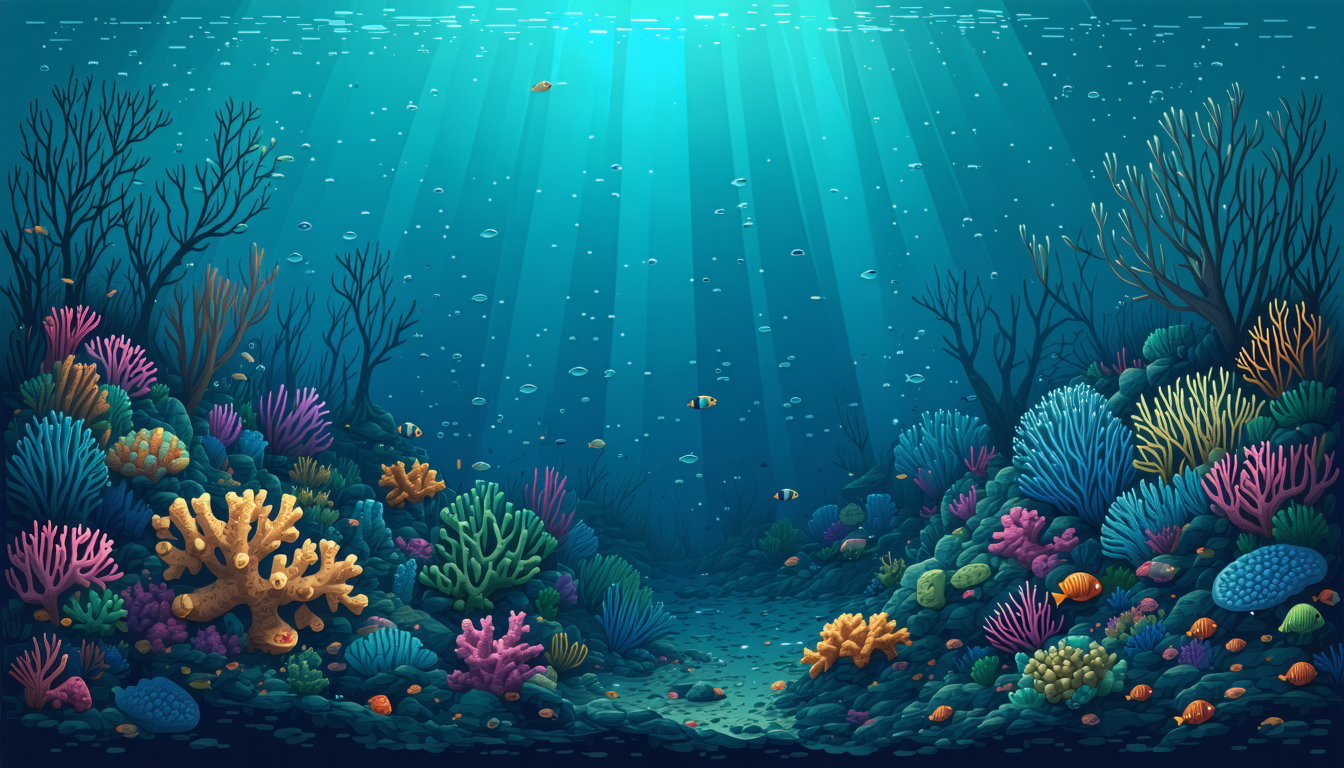
Unlocking the Mysteries of Ocean’s Deep Reefs: A Decade-Long Research Initiative
🐦 The Peck
Key Facts
-
●
The research focuses on deep-sea coral reefs, which are critical for marine biodiversity.
CORROBORATED -
●
Deep reefs are often less studied compared to shallow reefs, leading to gaps in understanding their ecosystems.
CORROBORATED -
●
The decade-long study has involved international collaboration among scientists from various institutions.
UNVERIFIED -
●
Findings from the study may have implications for climate change and ocean conservation efforts.
CORROBORATED -
●
The study has utilized advanced technologies such as remotely operated vehicles (ROVs) for exploration.
CORROBORATED
🔍 The Big Picture
The recent announcement of a decade-long research initiative focused on deep-sea coral reefs underscores a critical area of marine research that has historically been under-explored. Deep-sea coral reefs play an essential role in marine biodiversity, serving as habitats for a multitude of species and contributing to the overall health of ocean ecosystems. Given that these ecosystems are less studied than their shallow-water counterparts, this research initiative addresses significant gaps in our understanding of deep-sea environments, which are increasingly threatened by climate change, pollution, and human activities.
The collaborative nature of this study, involving international scientists from various institutions, highlights a growing trend in marine research: the necessity for global cooperation to tackle complex environmental challenges. As the impacts of climate change become more pronounced, understanding deep-sea ecosystems is vital not only for biodiversity conservation but also for informing policy and management strategies aimed at protecting these fragile environments. The findings from this initiative may provide crucial insights that inform ocean conservation efforts and contribute to the development of effective climate adaptation strategies.
Advanced technologies, such as remotely operated vehicles (ROVs), have enabled researchers to explore and document these deep-sea coral reefs in ways that were previously unattainable. This technological advancement is indicative of a broader trend in marine research, where innovations are driving deeper exploration and more comprehensive data collection. However, while these technologies enhance our ability to study the ocean, they also raise questions about the accessibility and potential commercialization of such research. As more data becomes available, there may be competing interests among stakeholders regarding the use and protection of these ecosystems.
The implications of this research initiative extend to various sectors, including fisheries, tourism, and marine conservation policy. A better understanding of deep-sea reefs could influence sustainable fishing practices, enhance ecotourism opportunities, and drive policy decisions related to marine protected areas. However, uncertainty remains regarding how quickly and effectively the scientific community, policymakers, and industry stakeholders will act on the findings. The potential for competing interpretations of the data and its implications for marine resource management could lead to differing priorities and approaches, complicating the path forward for conservation efforts.
In summary, the decade-long research initiative focused on deep-sea coral reefs represents a critical step in addressing significant knowledge gaps in marine ecology. As findings emerge, they will likely reshape our understanding of ocean ecosystems and influence conservation policies. The interplay between technological advances, international collaboration, and the competing interests of various stakeholders will be pivotal in determining the future health of these vital underwater ecosystems.
👀 What to Watch
- **Research Publication Release**: Anticipated publication of the first major findings from the decade-long study in a peer-reviewed journal, expected in January 2024. This will provide insights into the biodiversity of deep-sea coral reefs.
- **International Conference on Marine Conservation**: Scheduled for February 15-17, 2024, in Monaco, where researchers will present preliminary findings and discuss implications for climate change and ocean conservation.
- **ROV Technology Demonstration**: A live demonstration of advanced ROV technology used in the study will take place on March 10, 2024, at the Ocean Exploration Center in Seattle. This event will showcase the capabilities of the technology in deep-sea research.
- **Collaborative Workshop**: A workshop involving international scientists is set for April 5, 2024, to discuss methodologies and share data collected over the past decade, aiming to standardize approaches to deep-sea research.
- **Policy Briefing for Stakeholders**: A briefing is scheduled for May 20, 2024, with policymakers and conservation organizations to discuss the study’s findings and their potential impact on marine conservation policies.
- **Public Awareness Campaign Launch**: A campaign aimed at raising awareness about deep-sea ecosystems will kick off in June 2024, coinciding with World Oceans Day, featuring educational materials based on the study's findings.
Comments (0)
No comments yet. Be the first to share your thoughts!
This Peckture was researched and generated by Peckture.com based on publicly available information. All claims are marked with their verification status.
Last updated: October 3, 2026 11:00 AM