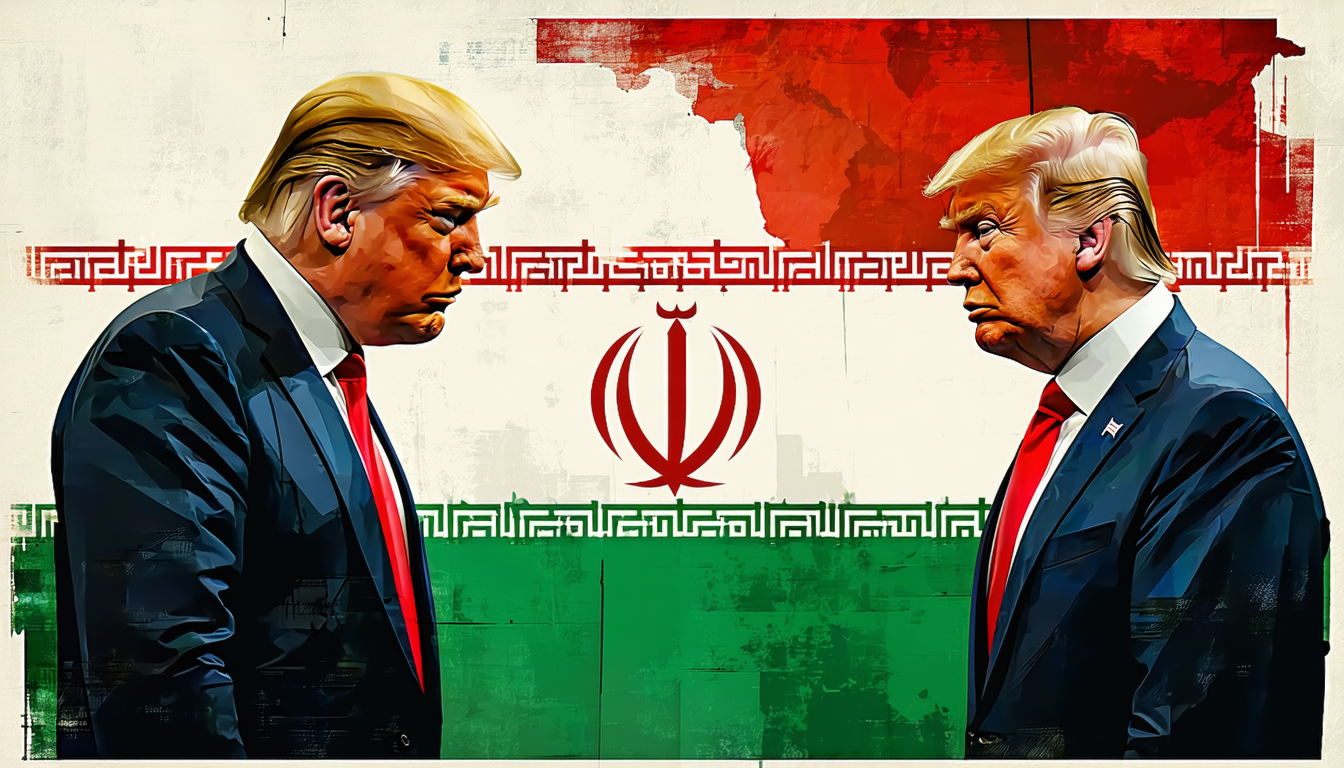
US and Iran Engage in Diplomatic Talks Following Tensions Over Trump's Comments
🐦 The Peck
Key Facts
-
●
The US and Iran held their first diplomatic talks since June 2023.
CORROBORATED -
●
The talks were prompted by heightened tensions following former President Trump's comments threatening 'annihilation' of Iran.
CORROBORATED -
●
The discussions focused on nuclear negotiations and regional security issues.
UNVERIFIED -
●
The US and Iran have had a strained relationship since the 2015 nuclear deal was abandoned in 2018.
CORROBORATED
🔍 The Big Picture
**The Big Picture: Diplomatic Engagement Between the US and Iran Amidst Tensions**
The recent diplomatic talks between the United States and Iran mark a significant moment in a fraught relationship that has been heavily impacted by geopolitical dynamics and domestic politics. These talks are the first since June 2023 and come in the wake of heightened tensions triggered by former President Donald Trump's comments that suggested a potential military response against Iran, characterized by language of "annihilation." This inflammatory rhetoric underscores the fragile nature of US-Iran relations and highlights the challenges facing any diplomatic overtures aimed at stabilizing the situation in the Middle East.
The discussions reportedly centered on crucial topics such as nuclear negotiations and regional security issues. This focus is particularly important given the backdrop of the 2015 nuclear deal (Joint Comprehensive Plan of Action), which the US abandoned in 2018 under Trump’s administration. The abandonment of the deal not only escalated tensions but also contributed to Iran’s increased nuclear activities, raising alarms about the potential for a nuclear-armed Iran. The current talks represent a potential thaw in relations, albeit amid significant skepticism regarding their effectiveness, given the long-standing distrust and conflicting interests between the two nations.
This engagement could have broader implications for both regional stability and international diplomatic efforts. A successful negotiation could pave the way for a renewed commitment to nuclear non-proliferation and could stabilize the volatile Middle East, which has been a flashpoint for conflict and instability. Conversely, failure to make progress could exacerbate tensions, potentially leading to military confrontations or further sanctions, which would have ripple effects on global oil markets and international relations.
While the talks signal a willingness to engage, competing interpretations of their significance exist. Some analysts view this as a strategic maneuver by both parties to alleviate immediate tensions and avoid escalation, while others argue that the deep-rooted issues and mistrust may render these discussions largely symbolic without substantive outcomes. The uncertainty surrounding the political landscape in both countries, including the potential for changes in US leadership and Iran's internal dynamics, adds another layer of complexity to these negotiations.
In summary, the resumption of diplomatic talks between the US and Iran amidst escalating tensions is a critical development with potential implications for nuclear non-proliferation, regional security, and international diplomacy. The outcome of these discussions remains uncertain, and while they may represent a step towards de-escalation, the historical context and competing narratives suggest that substantial progress may be challenging. Stakeholders in global markets and policymakers should closely monitor these developments, as they could significantly influence economic and security landscapes in the region and beyond.
👀 What to Watch
- **October 30, 2023**: The US State Department is expected to release a statement summarizing the outcomes of the recent talks, providing insight into any agreements or ongoing negotiation points.
- **November 2023**: The International Atomic Energy Agency (IAEA) is scheduled to hold its quarterly board meeting, where updates on Iran's nuclear activities and compliance with international agreements will be discussed.
- **December 2023**: A follow-up meeting between US and Iranian officials is anticipated, aimed at assessing progress on nuclear negotiations and regional security discussions.
- **January 2024**: The US Congress is expected to review and potentially introduce new sanctions or policy measures regarding Iran, particularly in response to developments from the recent talks.
- **February 2024**: The next round of nuclear negotiations involving Iran and the P5+1 countries (the US, UK, France, Russia, China, and Germany) is likely to be scheduled, contingent on the outcomes of the US-Iran discussions.
- **Ongoing**: Monitoring of the regional security situation in the Middle East will be critical, with potential developments affecting diplomatic relations and negotiations, particularly related to Israel and Gulf states.
Comments (0)
No comments yet. Be the first to share your thoughts!
This Peckture was researched and generated by Peckture.com based on publicly available information. All claims are marked with their verification status.
Last updated: September 23, 2026 11:00 AM