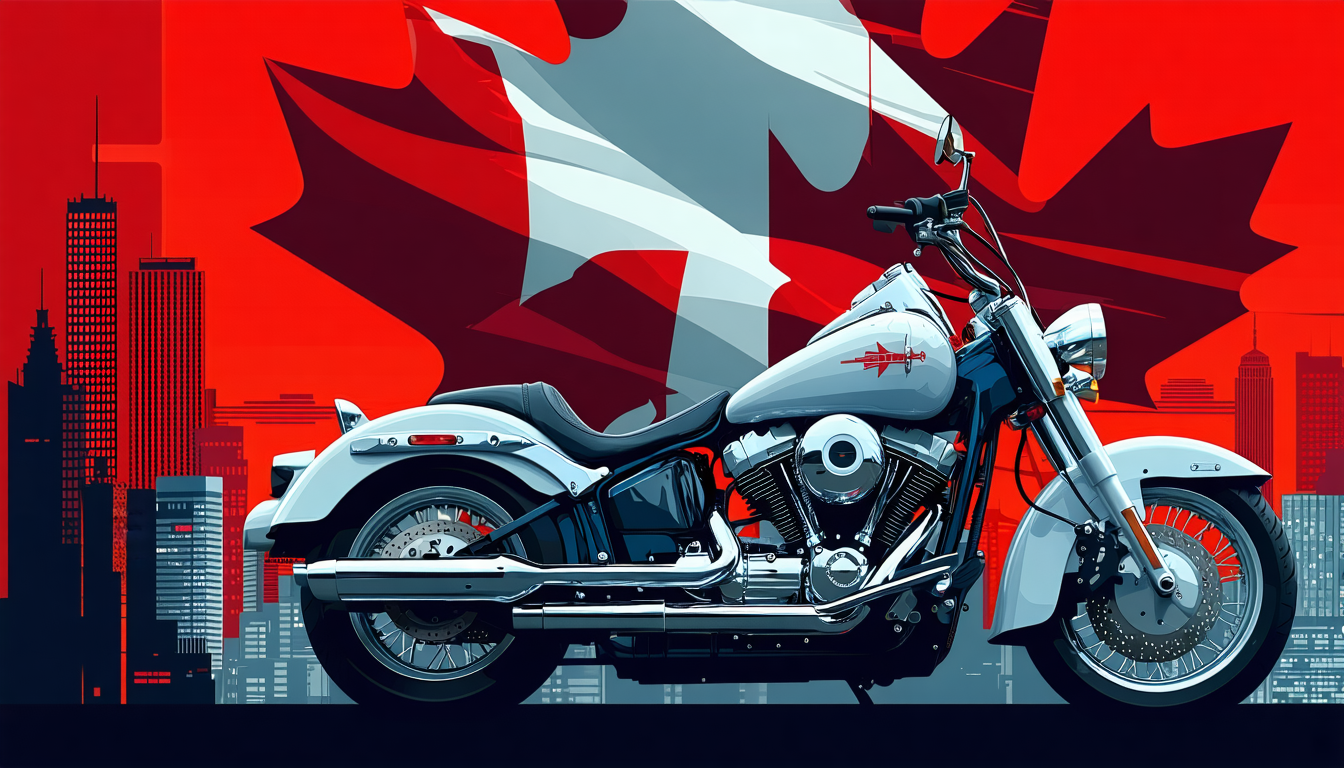
US Import Ban Impacts Canadian Alcohol and Motorcycle Exports
🐦 The Peck
Key Facts
-
●
The US has imposed an import ban on certain Canadian alcohol products.
CORROBORATED -
●
Canadian motorcycle manufacturers are facing export challenges due to the US import ban.
CORROBORATED -
●
The ban is part of broader trade tensions between the US and Canada.
CORROBORATED -
●
The US import ban on Canadian goods has led to discussions on social media platforms regarding its economic implications.
UNVERIFIED
🔍 The Big Picture
**The Big Picture: US Import Ban Impacts Canadian Alcohol and Motorcycle Exports**
The recent imposition of an import ban by the United States on certain Canadian alcohol products has significant ramifications for the Canadian economy, particularly affecting its alcohol and motorcycle manufacturing sectors. This ban, which is part of a broader context of escalating trade tensions between the two countries, underscores the fragility of cross-border trade relationships. As Canada is a major supplier of alcohol and motorcycles to the US market, the restrictions not only threaten revenue streams for Canadian manufacturers but also potentially disrupt supply chains that are critical to both nations' economies.
The implications of this ban extend beyond immediate financial loss for Canadian exporters. The alcohol market, which has seen increasing demand in recent years, particularly for craft and regional brands, may find itself at a disadvantage in terms of market access. As Canadian manufacturers grapple with these restrictions, they may be forced to pivot towards other markets, which could dilute their brand presence and market share in the lucrative US market. Similarly, Canadian motorcycle manufacturers, already facing challenges from competition and changing consumer preferences, may find their export strategies hampered, leading to potential layoffs and reduced investment in innovation and development.
This situation has sparked considerable discussion on social media platforms, reflecting public interest and concern over the economic implications of the import ban. Stakeholders, including business leaders and policymakers, are weighing in on the potential long-term consequences of such trade barriers. Some argue that the ban could lead to increased domestic prices and reduced choices for American consumers, while others may view it as a necessary measure to protect local industries. Competing interpretations of the ban suggest that while some sectors may suffer, others could benefit from reduced competition.
Uncertainty remains regarding the duration and scope of the US import ban, and speculation abounds about potential retaliatory measures from Canada. Such actions could escalate tensions further, leading to a tit-for-tat scenario that might affect a wider range of goods and services. The situation highlights the interconnected nature of modern economies, where policy decisions in one country can have cascading effects across borders, impacting employment, investment, and consumer behavior.
In conclusion, the US import ban on Canadian alcohol and motorcycles serves as a critical reminder of the complexities of international trade relationships. As both nations navigate this challenge, the responses will likely shape future trade policies and economic strategies, emphasizing the need for dialogue and negotiation to mitigate adverse effects on businesses and consumers alike.
👀 What to Watch
- **October 30, 2023**: Canadian Trade Minister Mary Ng is scheduled to meet with US Trade Representative Katherine Tai to discuss the implications of the import ban and explore potential resolutions.
- **November 15, 2023**: A public hearing by the US International Trade Commission (USITC) will take place regarding the impact of the import ban on Canadian industries, including alcohol and motorcycles, with testimonies from affected businesses.
- **November 25, 2023**: Canadian alcohol producers are set to hold a press conference to address the economic impact of the US import ban, detailing their strategies moving forward.
- **December 1, 2023**: The Canadian Motorcycle Manufacturers Association will release a report assessing the financial impact of the US import restrictions on the Canadian motorcycle industry, including potential job losses.
- **December 15, 2023**: A scheduled meeting of the North American Free Trade Agreement (NAFTA) advisory council will discuss the ongoing trade tensions and potential policy adjustments related to the import ban.
- **January 10, 2024**: The US Congress is expected to hold hearings on trade policy with Canada, which will likely include discussions on the import ban and its broader economic implications.
- **February 5, 2024**: A follow-up meeting between Canadian and US trade officials is planned to review the outcomes of previous discussions and assess any progress made regarding the import ban.
Comments (0)
No comments yet. Be the first to share your thoughts!
This Peckture was researched and generated by Peckture.com based on publicly available information. All claims are marked with their verification status.
Last updated: September 29, 2026 11:00 AM