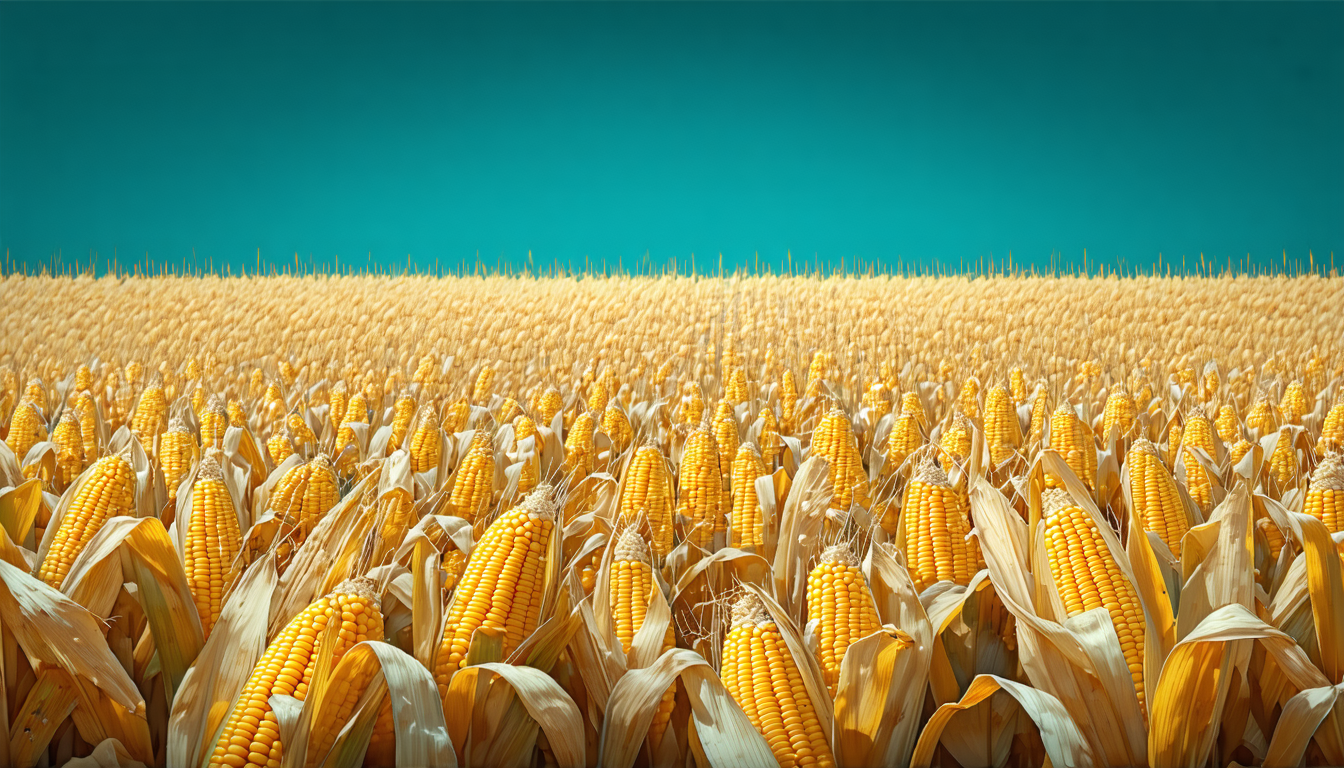
USDA Reports Increased US Corn Crop, Leading to Significant Price Drop
🐦 The Peck
Key Facts
-
●
The USDA increased its estimate of the US corn crop for 2023, surprising market analysts.
CORROBORATED -
●
Corn prices fell significantly, marking the largest drop since the beginning of 2023.
CORROBORATED -
●
The increase in corn crop estimates is attributed to favorable weather conditions during the growing season.
UNVERIFIED
🔍 The Big Picture
**The Big Picture: Analysis of USDA's Increased US Corn Crop Estimate and Its Market Impact**
The recent report from the U.S. Department of Agriculture (USDA) indicating an increase in the estimated U.S. corn crop for 2023 has significant implications for both agricultural markets and broader economic conditions. Analysts were caught off guard by this upward revision, which can be attributed to favorable weather conditions that have positively impacted crop yields. This unexpected news has led to a substantial drop in corn prices, marking the largest decline since the start of the year. The immediate effect is a recalibration of expectations among traders and stakeholders in the agricultural sector, who must now navigate the implications of oversupply in the market.
The decrease in corn prices could have far-reaching effects on various industries that rely on corn as a primary input, including livestock feed, biofuel production, and food processing. Lower corn prices may benefit livestock producers by reducing feed costs, potentially leading to lower prices for meat and dairy products in the consumer market. Conversely, grain farmers who were anticipating higher prices may face reduced revenues, which could impact their operational viability. The agricultural sector is highly interconnected, and shifts in corn pricing can ripple through the economy, influencing everything from consumer prices to export competitiveness.
This situation also plays into broader trends in agricultural production and climate resilience. The favorable weather conditions that have contributed to the higher corn crop estimate highlight the importance of climate variability on agricultural output. While this year's favorable conditions may signal a productive season, they also raise questions about the sustainability of such yields in the face of climate change. Future crop estimates and market responses will depend not only on current weather patterns but also on long-term agricultural practices and policies aimed at addressing climate resilience.
Competing interpretations of this report could emerge as analysts consider the potential for market correction or volatility. Some may argue that the significant price drop could lead to a short-term glut in the market, pushing prices down further as farmers respond to decreased profitability by adjusting planting decisions for the next season. Others might view the price drop as a necessary market correction that could stabilize over time as demand catches up with supply. It is important to note that while the current data presents a clear picture of increased supply and lower prices, future market dynamics remain uncertain and will depend on various factors including global demand, trade policies, and environmental conditions.
In summary, the USDA's upward revision of the U.S. corn crop for 2023 and the subsequent price drop reflect a pivotal moment in agricultural markets with significant implications for producers, consumers, and the broader economy. Stakeholders must remain vigilant as they navigate the complexities of supply and demand, while also considering the longer-term impacts of climate variability on agricultural production.
👀 What to Watch
- **USDA Crop Progress Report Release**: Scheduled for November 6, 2023, this report will provide updated insights on crop conditions and harvest progress, potentially affecting market expectations further.
- **Corn Futures Market Reaction**: Monitor the Chicago Board of Trade (CBOT) for ongoing price adjustments in corn futures as traders react to the USDA's revised estimates and market sentiment.
- **Earnings Calls from Major Agribusiness Firms**: Several major agribusiness companies, including Archer Daniels Midland and Bunge Limited, will hold earnings calls in early November 2023, where they may discuss the impact of the increased corn crop on their operations and financial outlook.
- **Weather Forecast Updates**: Keep an eye on the National Weather Service forecasts for the Midwest, as ongoing weather conditions could influence the final yield and quality of the corn crop.
- **Market Analyst Reports**: Analysts from financial institutions and agricultural consultancies are expected to release updated reports and forecasts in mid-November 2023, reflecting the implications of the USDA's findings on corn prices and agricultural markets.
- **USDA Outlook Forum Announcement**: The USDA typically announces its annual Agricultural Outlook Forum in late November; this event will provide insights into future agricultural policies and crop forecasts for 2024.
- **Global Corn Supply Reports**: In late November 2023, the USDA will also release its World Agricultural Supply and Demand Estimates (WASDE) report, which will detail global corn supply and demand dynamics that could further influence U.S. corn prices.
Comments (0)
No comments yet. Be the first to share your thoughts!
This Peckture was researched and generated by Peckture.com based on publicly available information. All claims are marked with their verification status.
Last updated: October 9, 2026 5:00 PM