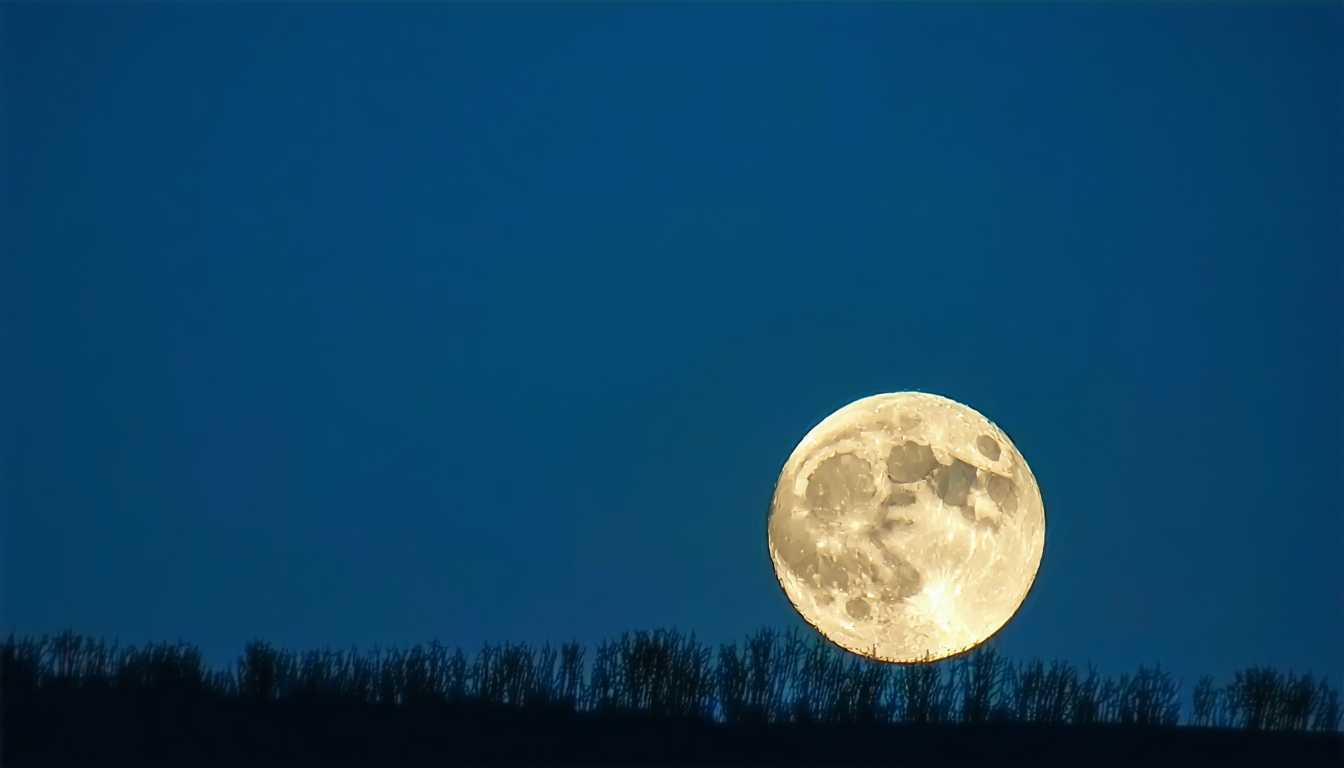
Viewing the Harvest Moon: Dates and Details for 2026
🐦 The Peck
Key Facts
-
●
The Harvest Moon will occur on September 29, 2026.
CORROBORATED -
●
The Harvest Moon is the full moon closest to the autumnal equinox.
CORROBORATED -
●
The Harvest Moon appears larger and more orange when it rises near the horizon.
CORROBORATED -
●
The Harvest Moon is traditionally associated with the time of year when farmers harvest crops.
UNVERIFIED
🔍 The Big Picture
**The Big Picture: Viewing the Harvest Moon in 2026**
The upcoming Harvest Moon, set to occur on September 29, 2026, serves as a significant astronomical event that holds both cultural and agricultural importance. This full moon, which is defined as the closest full moon to the autumnal equinox, traditionally marks a time of year when farmers gather their crops, making it a critical period for agricultural communities. The phenomenon of the Harvest Moon appearing larger and more orange as it rises near the horizon can enhance public interest and engagement with lunar events, potentially driving tourism and related economic activities.
The implications of the Harvest Moon extend beyond mere observation; they resonate with broader agricultural cycles and seasonal changes that impact food production and supply chains. As global agricultural practices adapt to climate variability, the timing of harvests can be crucial for maximizing yield and minimizing losses. Thus, events like the Harvest Moon may serve as natural reminders for farmers and agricultural planners to prepare for the seasonal shifts that influence planting and harvesting schedules. This alignment of natural phenomena with agricultural practices could foster a renewed appreciation for traditional farming methods and seasonal rhythms in an increasingly industrialized world.
Moreover, the cultural significance of the Harvest Moon can be harnessed for marketing and community engagement initiatives. As various regions celebrate the Harvest Moon with festivals and events, local businesses may see an uptick in consumer spending, particularly in sectors such as hospitality, agriculture, and tourism. This can create opportunities for communities to leverage cultural heritage for economic gain, particularly in rural areas where agriculture plays a pivotal role. However, the degree to which these events translate into tangible economic benefits can vary, influenced by local conditions, demographic factors, and the level of community involvement.
Despite the celebratory aspects, it is essential to consider the potential competing interpretations of the Harvest Moon's significance. While some may view it as a romantic and nostalgic symbol of harvest time, others might see it as a reminder of the challenges faced by modern agriculture, such as climate change, food security, and sustainability issues. As these themes gain prominence in public discourse, they may influence how future generations perceive and engage with agricultural traditions.
In summary, the Harvest Moon of 2026 not only marks an astronomical event but also represents a confluence of cultural, agricultural, and economic factors that can stimulate community engagement and reflect broader trends in food production and sustainability. As this date approaches, stakeholders across various sectors may benefit from considering the multifaceted implications of this celestial event and its potential to inspire both local pride and a renewed focus on agricultural practices.
👀 What to Watch
- **September 23, 2026**: Autumnal Equinox - This date marks the official start of autumn in the Northern Hemisphere, which is significant as the Harvest Moon is defined as the full moon closest to this equinox.
- **September 29, 2026, 5:57 PM UTC**: Full Harvest Moon - The Harvest Moon will reach its peak illumination at this time, providing an opportunity for viewers to observe its unique appearance.
- **September 29, 2026, 6:00 PM UTC**: Moonrise - The Harvest Moon will rise shortly after sunset, typically appearing larger and more orange as it approaches the horizon.
- **September 30, 2026**: Post-Harvest Moon Observations - Astronomers and enthusiasts will conduct follow-up observations to document the moon's appearance and effects on local weather and agriculture.
- **October 2026 (exact date TBD)**: Agricultural Reports - Farmers and agricultural organizations are expected to release reports on the impact of the Harvest Moon on crop yields and harvesting practices, as this moon is traditionally linked to the harvest season.
Comments (0)
No comments yet. Be the first to share your thoughts!
This Peckture was researched and generated by Peckture.com based on publicly available information. All claims are marked with their verification status.
Last updated: September 23, 2026 5:01 PM