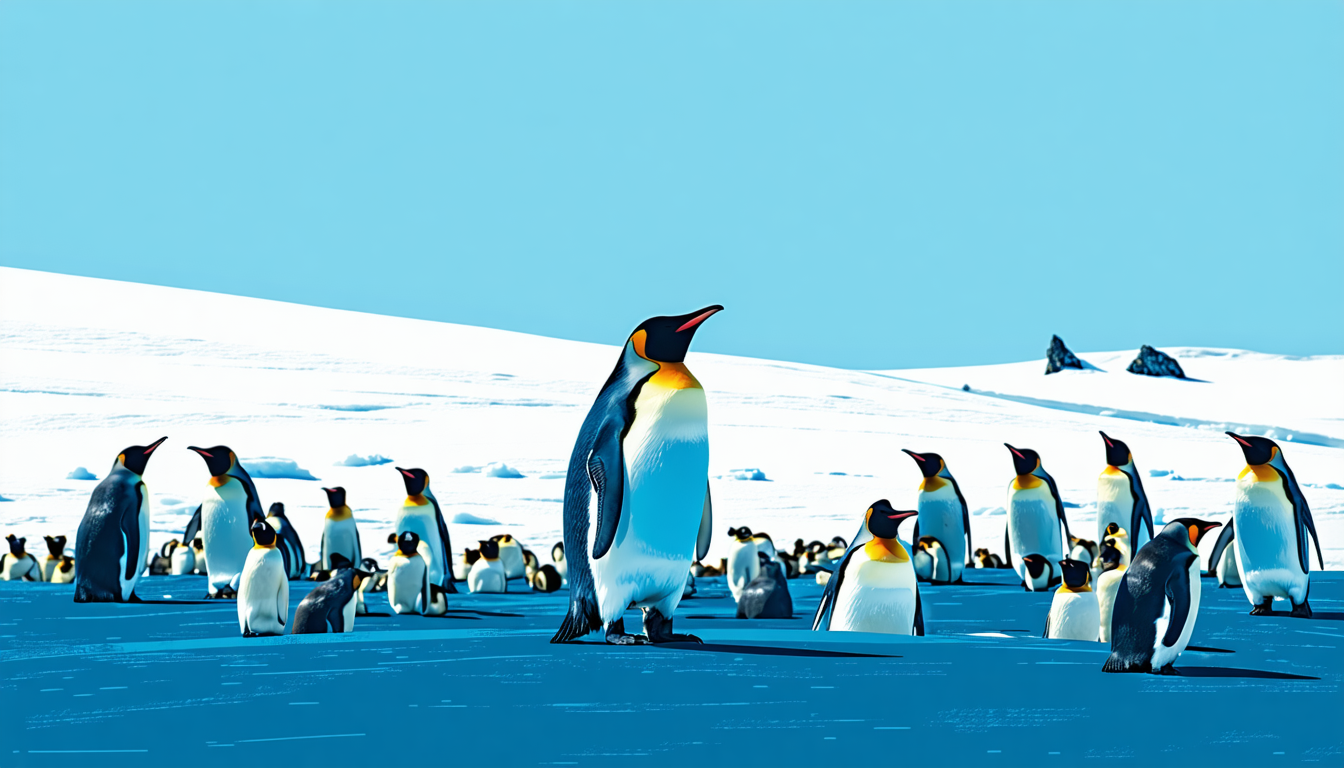
World's Largest Penguin Colony Faces Significant Population Decline
🐦 The Peck
Key Facts
-
●
The world's largest colony of emperor penguins, located in Antarctica, has experienced a significant decline in population.
CORROBORATED -
●
Recent studies indicate that the population of emperor penguins at this colony has dropped by over 50% in recent years.
CORROBORATED -
●
The decline is attributed to climate change and melting sea ice, which are critical for their breeding and feeding.
CORROBORATED -
●
The situation has raised alarms among conservationists and scientists regarding the future of emperor penguins.
UNVERIFIED
🔍 The Big Picture
**The Big Picture: Analysis of the Decline in the World’s Largest Penguin Colony**
The recent report indicating a more than 50% decline in the population of the world's largest emperor penguin colony in Antarctica underscores a critical ecological crisis linked to climate change. This alarming trend is primarily attributed to melting sea ice, which plays a vital role in the breeding and feeding habits of emperor penguins. As these ice habitats diminish, the survival of this species—and potentially others in the region—hangs in the balance. This development not only raises concerns for biodiversity but also signals a broader environmental shift that could have far-reaching implications for ecosystems and human activities dependent on these habitats.
The implications of this decline extend beyond the penguins themselves. Emperor penguins are considered a keystone species in their ecosystem; their health is indicative of the overall state of the marine environment. As their population decreases, it may signify disruptions in the food web, potentially affecting fish stocks and other marine life that are crucial for commercial fishing industries. The decline could lead to stricter regulations and a reevaluation of fishing practices in the Southern Ocean, as policymakers may need to consider the ecological balance and the long-term viability of these resources.
Moreover, the situation raises critical questions about climate policy and international cooperation on environmental issues. The plight of the emperor penguins exemplifies the tangible impacts of climate change, which could galvanize public and political will towards more aggressive climate action. However, competing interpretations exist regarding the effectiveness of current policy measures. While some advocate for immediate and robust interventions to mitigate climate change effects, others argue for a more measured approach, emphasizing adaptation strategies rather than direct intervention. This divergence in opinions could influence funding and support for conservation efforts, impacting both public and private sectors.
It is essential to note that while the decline of the emperor penguin population is a well-documented fact, the full extent of its implications remains uncertain. Speculation about future population recoveries, the potential for other species to fill ecological gaps, or the long-term effects on climate and marine ecosystems is prevalent. As researchers continue to investigate these dynamics, the urgency for comprehensive climate action becomes increasingly apparent. The situation serves as a reminder that the health of our planet is interconnected, and the fate of one species can reverberate across global systems, affecting economies, communities, and the environment at large.
👀 What to Watch
- **November 15, 2023**: The International Polar Bear Conservation Conference will feature a panel discussion on the effects of climate change on Antarctic wildlife, including emperor penguins. Key findings from recent studies will be presented.
- **December 5, 2023**: The Antarctic Treaty Consultative Meeting will convene to discuss environmental protections in Antarctica, including the impact of climate change on wildlife. This meeting will likely address the emperor penguin population decline.
- **January 10, 2024**: A peer-reviewed journal is set to publish a comprehensive study on the breeding patterns of emperor penguins in relation to climate change. This research may provide further insights into the factors contributing to the population decline.
- **February 2024**: The World Wildlife Fund (WWF) is expected to launch a new conservation initiative aimed at protecting emperor penguins and their habitat. Details will be announced during their annual conservation strategy meeting.
- **March 2024**: A series of public webinars hosted by the Antarctic Research Consortium will take place, focusing on the implications of melting sea ice for emperor penguins and other Antarctic species. Dates to be confirmed.
- **April 2024**: The United Nations Environment Programme (UNEP) plans to release a report on the impact of climate change on polar ecosystems, which will include data on emperor penguin populations and conservation recommendations.
Comments (0)
No comments yet. Be the first to share your thoughts!
This Peckture was researched and generated by Peckture.com based on publicly available information. All claims are marked with their verification status.
Last updated: October 7, 2026 5:02 PM